Something has happened to matcha. A decade ago, finding a proper bowl of it outside Japan meant searching. Now it is on every corner — bright green, sweetened, photographed, gone. I am glad people are drinking it. But as someone who has spent his life around the body and around tea, I want to be honest with you: most of what is sold as "matcha" is a flavour, not an experience.
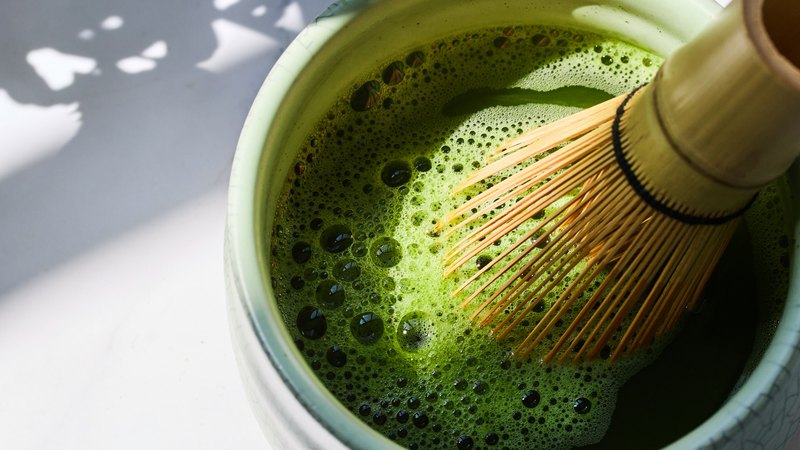
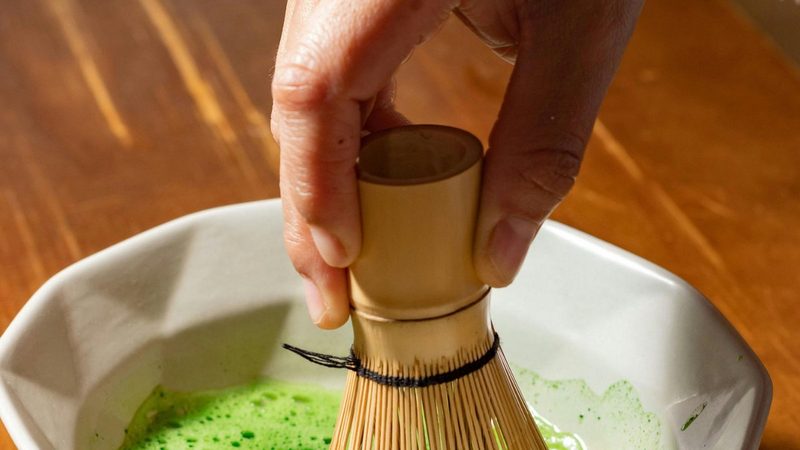
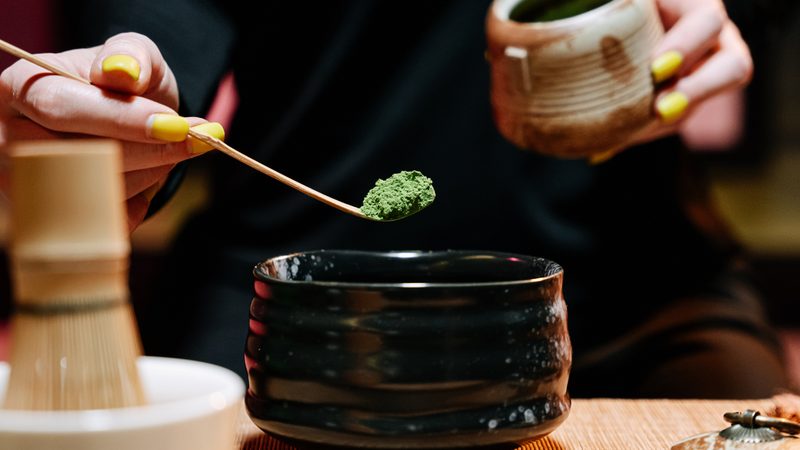
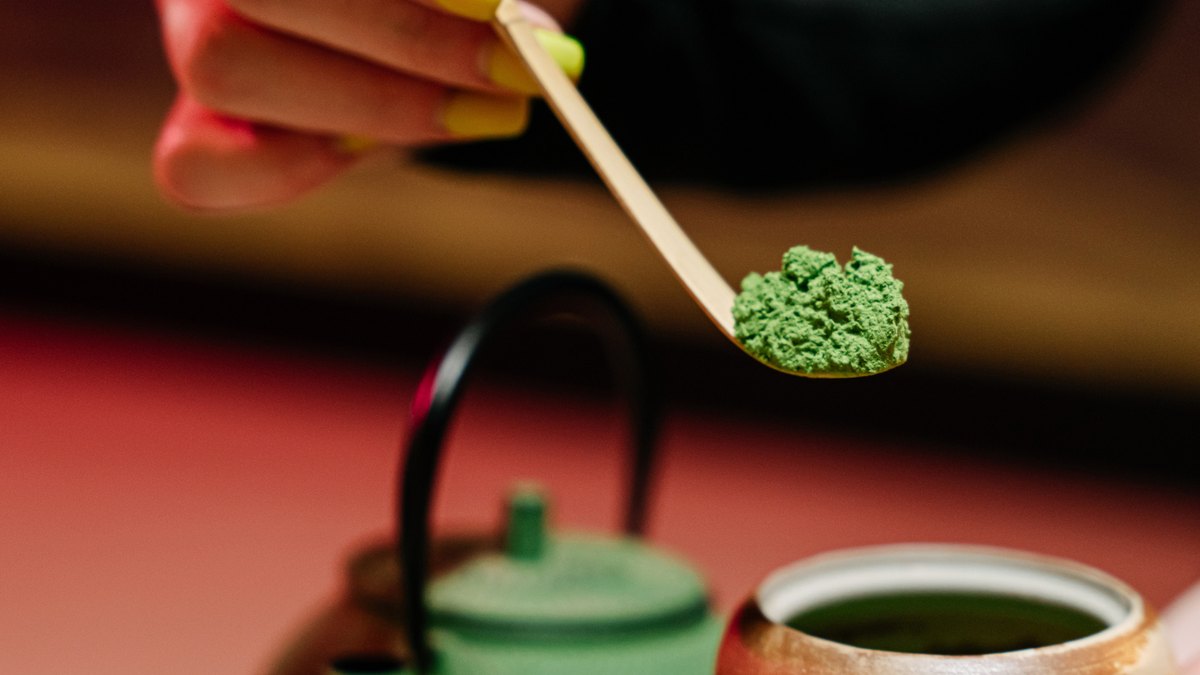
Real matcha is whole tea leaf, shade-grown and stone-ground, whisked into water until it stands as a fine green foam. You drink the entire leaf, not an infusion — which is exactly why it carries what it carries. There is caffeine, yes, but it arrives hand-in-hand with an amino acid called L-theanine, which softens the edge of that caffeine into something steady. In my world we would say it settles the nervous system rather than whipping it. That is the difference between a cup that makes you jittery and a cup that makes you calm and awake at the same time. You cannot get that from a sweet green latte built on culinary powder.
So here are my seven, from the most serious and traditional down to the warmest and most welcoming. Every one of them is doing something honest. Let's begin where the tea is treated almost as a discipline.
1 · Setsugekka — the real ceremony
If you visit one place on this list, make it this one. Setsugekka (雪月花 — "snow, moon, flower") is run by Souheki Mori, a tea master who has practised the Japanese tea ceremony for over thirty years. It is, by a clear margin, the most authentically ceremonial matcha experience in New York — arguably in the entire country.
The room is small and mostly tatami. There is a stone mill that grinds tencha into fresh matcha. You can order usucha (thin tea, whisked in a bowl, in three intensity tiers) or, by appointment, koicha — the thick, concentrated tea of a formal ceremony, served the traditional way. Watching Mori-san prepare it is the point. It is unhurried on purpose.
2 · Kettl — the finest sourcing
If Setsugekka is about the ceremony, Kettl is about the leaf. This is New York's most rigorous Japanese tea importer — they source directly from growers in Japan whom they visit several times a year. The New York Times once described their teas as, in some cases, revelatory.
The Greenpoint tea house has a tasting counter where you can try matcha from different regions side by side, with harvest dates and origin maps on display. For anyone who wants to understand matcha — to taste how Uji differs from Kagoshima — there is nowhere better in the city. Book the tasting; it is worth it.
3 · 12 Matcha — the one everyone talks about
Right now this is the hottest matcha address in New York, and — unusually for something this popular — the hype is mostly earned. They use premium matcha from Uji, Japan's most famous tea region, and run their water through a charcoal filtration system so nothing dulls the flavour.
Each drink is whisked to order in front of you. That is why the line is long and the wait is real; go on a weekday morning if you can. The matcha itself is clean enough to drink with no sweetener at all — which, to me, is the truest test a café can pass.
4 · Matchaful — organic & transparent
For the reader who cares where things come from, Matchaful is the answer. They direct-import organic Japanese matcha and are unusually open about their sourcing. Every drink can be made vegan and gluten-free, and the staff genuinely know the tea they are pouring.
They have grown from one shop to several across the city and — this is rare — kept their quality steady while doing it. The Nolita location is a lovely, calm place to begin if you are new to good matcha and want something clean rather than ceremonial.
5 · Matcha 108 — the quiet specialist
A small, serious matcha and hojicha café on the edge of Chinatown, easy to walk past and worth not walking past. They use Uji matcha, default to oat milk, and — notably — offer koicha, the thick ceremonial-style tea served in a proper ceramic cup, which very few cafés bother to do.
What I like most is the restraint: they do not drown the matcha in sugar. The flavour is earthy and real. It is the kind of tiny, calm room that rewards you for sitting down rather than rushing out — which is rather the whole point of a cup of green tea.
6 · Maiko — the friendly door in
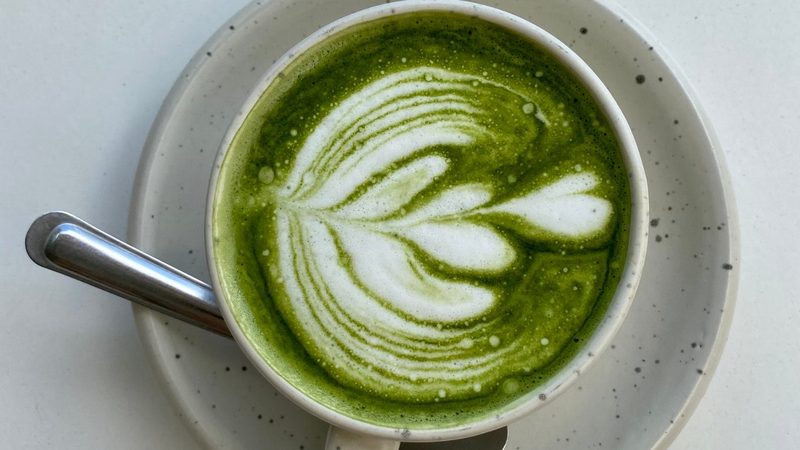
Not every good cup has to be a ceremony. Maiko, born in Hawaii and now in Rockefeller Center, is where I would take someone who thinks they don't like matcha. The quality is genuinely high — smooth, rich, balanced, never harshly bitter — but the menu is generous and approachable, full of lattes, soft serve and desserts.
It is the gateway, in the best sense. Order the unsweetened latte to taste the matcha honestly, then have a matcha soft serve because you are on holiday and life is short. Both will be good.
7 · Cha-An — the old soul
I wanted to end with somewhere that feels like Japan rather than a trend. Cha-An is a long-standing teahouse up a staircase in the East Village — quiet, wooden, calm, the kind of place that has been doing this since long before matcha was fashionable. It is where you go to linger.
Come for a matcha parfait or an affogato, an afternoon tea set, a pot of something to share. It is less about ceremonial precision and more about atmosphere — that soft, unhurried feeling of a proper tea room. After a fast day in the city, this is medicine of a different kind.
One cup, properly made
If there is a thread running through all seven of these places, it is restraint. None of them is trying to impress you with sweetness or spectacle. They let the tea be what it is. That is the same principle I hold to in my own work: you cannot fake the real thing, and you don't need to — you only need to do it properly and let people taste the difference.
So when you visit one of these, try this once: order the matcha plain, no syrup, no extra milk. Hold the warm bowl or cup in both hands for a moment before you drink. Notice that the lift it gives you is quiet, not sharp — that steady, awake calm I mentioned at the start. That feeling is not marketing. It is the L-theanine and the caffeine of the whole leaf, working together the way the plant intended. That is what real matcha is for.
"One serving" — but also "a pause, a breath, a moment of rest." In Japanese the same word covers a bowl of tea and the act of stopping to drink it. A good matcha is never only the drink. It is the pause it gives you permission to take.
New York will always be in a hurry. The quiet gift of these seven rooms is that, for the length of one properly made cup, you are allowed not to be.