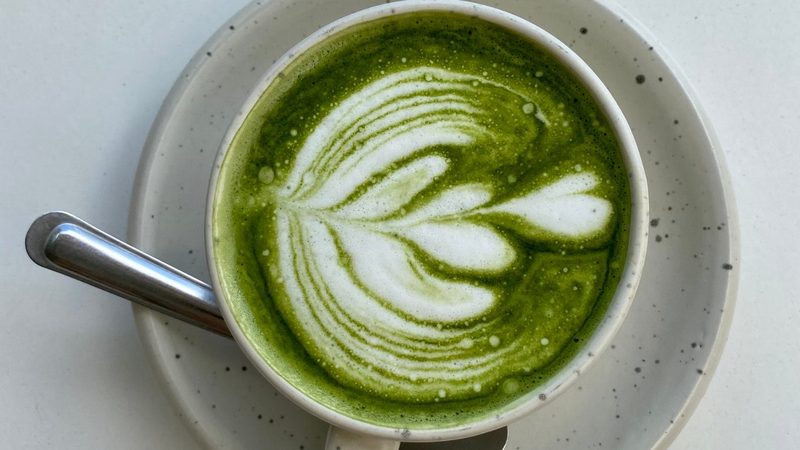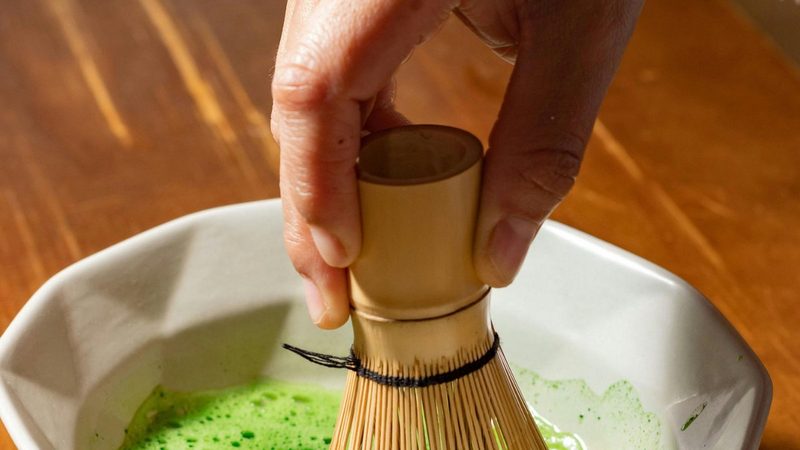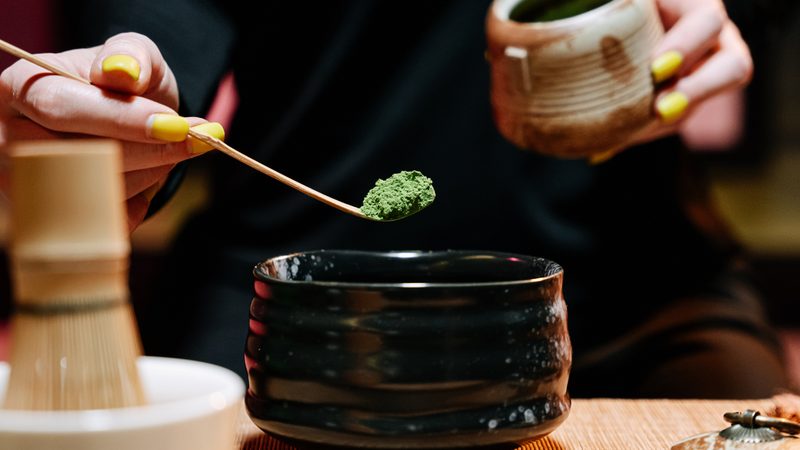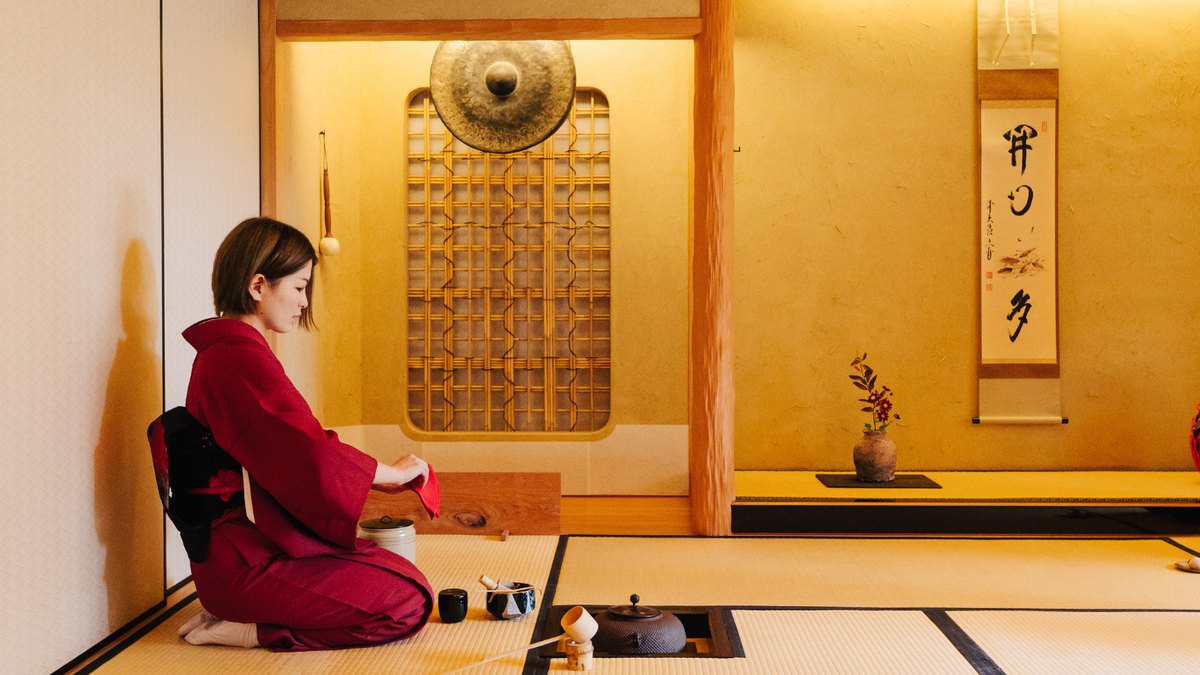
Here's something that surprises a lot of people: Japanese tea didn't start in Japan. It was an import. Every bowl of matcha, every cup of sencha, carries a thousand-year journey that began in China and slowly turned into something unmistakably Japanese.
You don't need to memorise dates to enjoy it. But the story is genuinely good — full of monks, warlords, and one quiet rebellion against luxury. Here's the short version.
It Came from China First
Tea reached Japan around the 9th century, carried back by Buddhist monks who'd studied in China. There's a record from 815 of a monk named Eichū serving tea to Emperor Saga. But this early tea never really caught on, and for a while it faded from Japanese life almost entirely.
At this point tea was rare and precious — treated more like medicine than a drink, valued mostly for keeping monks awake through long hours of meditation.
Eisai Brings Back Tea — and Matcha
The real turning point came in 1191, with a Zen monk named Eisai. Returning from China, he brought back two things that changed everything: tea seeds, which he planted, and a new way of drinking — powdered tea, whisked into hot water. That's the direct ancestor of today's matcha.
Eisai also wrote Japan's first book about tea, Kissa Yōjōki — roughly, "Drinking Tea for Health." He was convinced tea was good for the body and the spirit, and he pushed it hard among monks and the samurai class. From here on, tea and Zen Buddhism grew up together.
From Temples to Tea Parties
Over the next couple of centuries, tea climbed the social ladder — out of the temples and into the homes of the ruling class. By the 13th and 14th centuries, the aristocracy were throwing lavish tea-tasting parties called tōcha, where guests competed to identify different teas. Think wine-tasting, but make it medieval Japan.
But not everyone loved the spectacle. A quieter taste was forming underneath all that luxury — one that valued simplicity, restraint, and stillness over showing off.
Sen no Rikyū and the Way of Tea
That quieter taste reached its peak in the 16th century with one man: Sen no Rikyū (1522–1591), the most famous tea master in Japanese history.
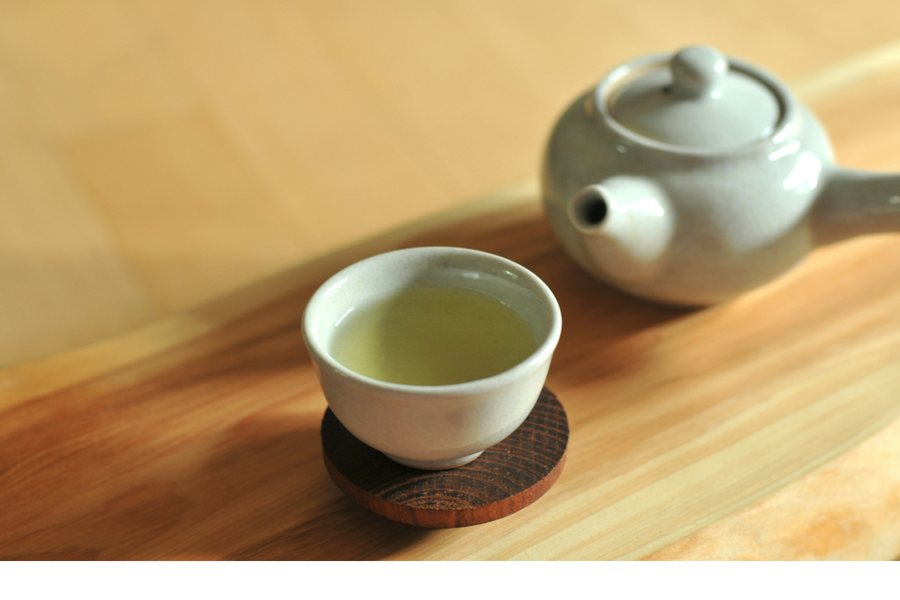
Rikyū served as tea advisor to two of the most powerful warlords of the age — Oda Nobunaga and Toyotomi Hideyoshi. And he stripped the tea gathering right down to its bones: a small plain room, simple utensils, a few deliberate movements. Then he gave it a philosophy — wabi-cha, the beauty of the humble and imperfect. This is the chanoyu, the tea ceremony, still practised the same way today.
His story doesn't end gently, though. In 1591, after a falling-out, Hideyoshi ordered Rikyū to take his own life. He did. And that dramatic ending sealed his legacy — his aesthetic, his ceremony, and his tea-school lineage still define Japanese tea to this day.
As an Amazon Associate, MAISON YUKI earns from qualifying purchases, at no extra cost to you.
Then Came Sencha — the People's Tea
Here's the twist most people don't expect. For almost this entire history, "tea" meant powdered matcha. The bright green loose-leaf tea you probably picture didn't exist yet.
That changed in 1738, when a tea maker named Nagatani Sōen, in Uji near Kyoto, developed a new method — steaming the leaves right after picking, then rolling and drying them. The result was sencha: bright, fresh, green, and brewable by anyone with hot water and a pot. No ceremony, no expensive tools.
Sencha democratised tea. It spread fast and became the everyday drink of ordinary households — which is exactly what most Japanese people, and most of the world, drink today. (The luxurious gyokuro came a little later, refining the craft even further.)
So What Makes Japanese Tea Japanese?
Here's the question worth asking: if tea came from China, what did Japan actually make its own? The answer comes down to one deceptively simple choice — steam instead of fire.
Chinese green tea is traditionally pan-fired: the fresh leaves are tossed in a very hot wok (200–300°C) to stop them oxidising. Japan went a different way. Japanese producers steam the leaves instead, for as little as 15–60 seconds, right after picking. That one fork in the road creates almost every difference you can taste and see.
Steaming keeps the leaf vividly green — pan-firing turns it brownish. It locks in a fresh, vegetal, almost seaweed-and-cut-grass flavour and that deep umami, where pan-fired Chinese tea comes out toastier and nuttier. Because the leaf never touches hot metal or smoke, Japanese tea never tastes smoky. And steaming preserves more of the good stuff — more chlorophyll (that's the green), more catechins, more vitamin C.
And Japan didn't stop there. While China spread its skill across green, oolong, black, and white teas, Japan did the opposite — it went deep instead of wide. Around 99% of Japanese tea is green tea, and within that narrow lane, Japan built astonishing variety: sencha, gyokuro, matcha, hojicha, genmaicha, kukicha, and more — each one a different treatment of the same steamed-green foundation. Japan even invented shade-growing (the secret behind gyokuro and matcha) and found uses for the stems and the spent leaves. It's the same instinct you see all through Japanese craft: take one thing, and perfect it endlessly.
Tea Today
So now the two streams flow side by side. There's the formal, meditative world of matcha, with roots running back to Eisai and Rikyū. And there's the easy daily pleasure of sencha and hojicha, born from one clever idea in 1738.
Both carry the same long history — from a Chinese medicine, through temples and tea rooms and one quiet rebellion against excess, all the way into the cup in front of you.