Hojicha Latte with Powder (the easy way)
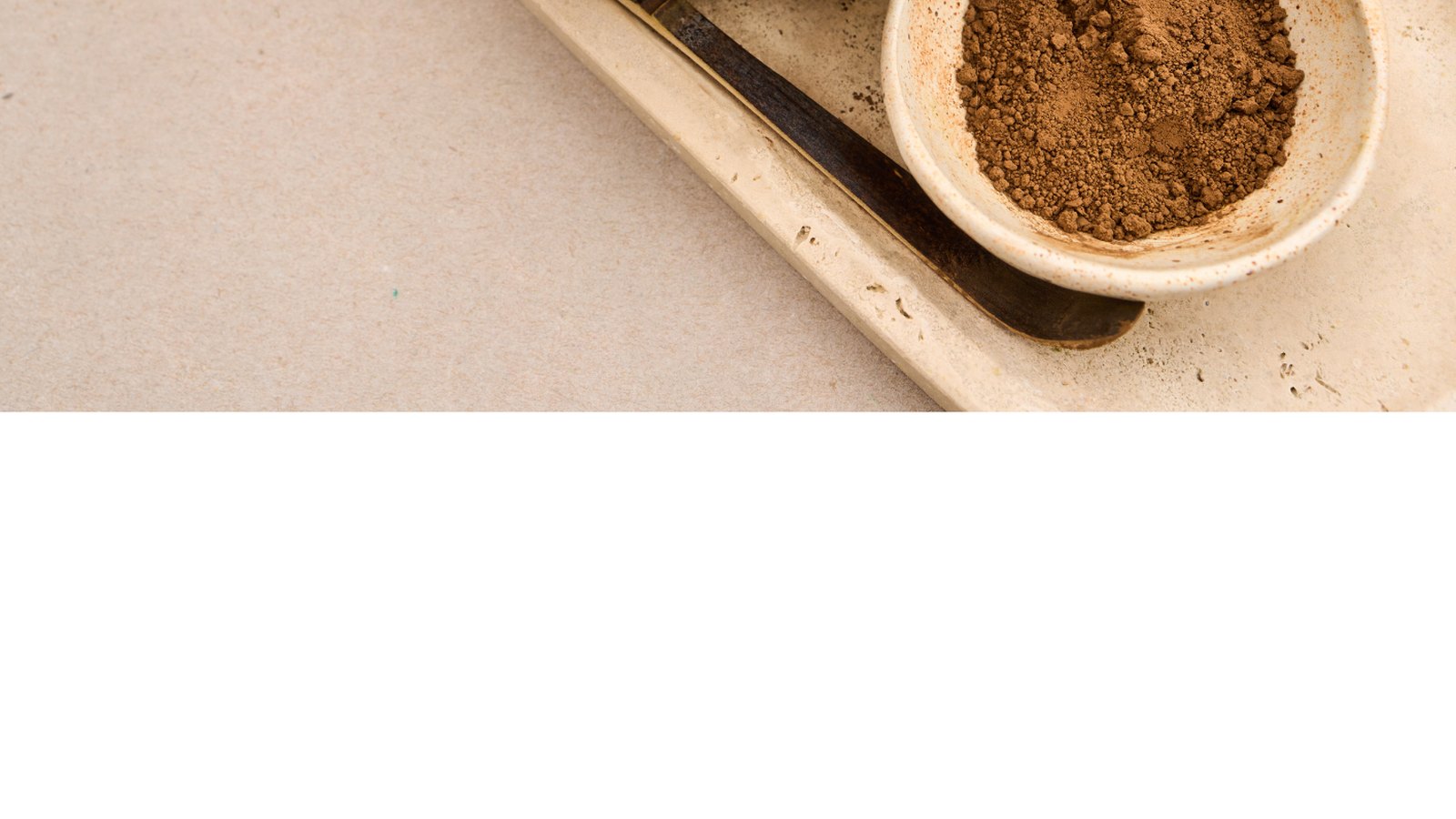
This is the quickest route to a thick, café-style latte. You'll need: 1–2 teaspoons hojicha powder, a little hot water, and about 200ml milk (any kind).
Step 1. Put 1–2 teaspoons of hojicha powder in your cup. Add a splash (about 2 tablespoons) of hot water — around 80–90°C — and whisk or stir into a smooth paste. A small frother or bamboo whisk gets rid of any lumps; this step is what keeps the latte silky.
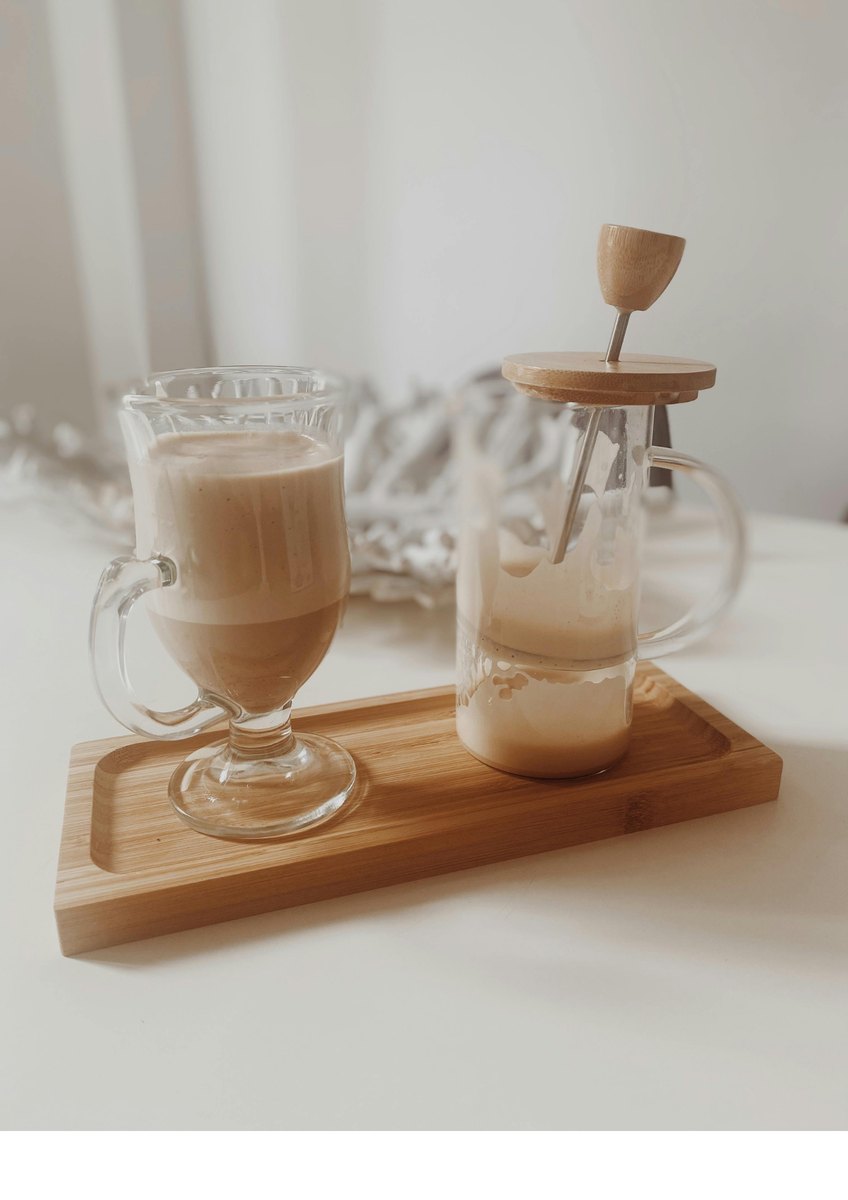
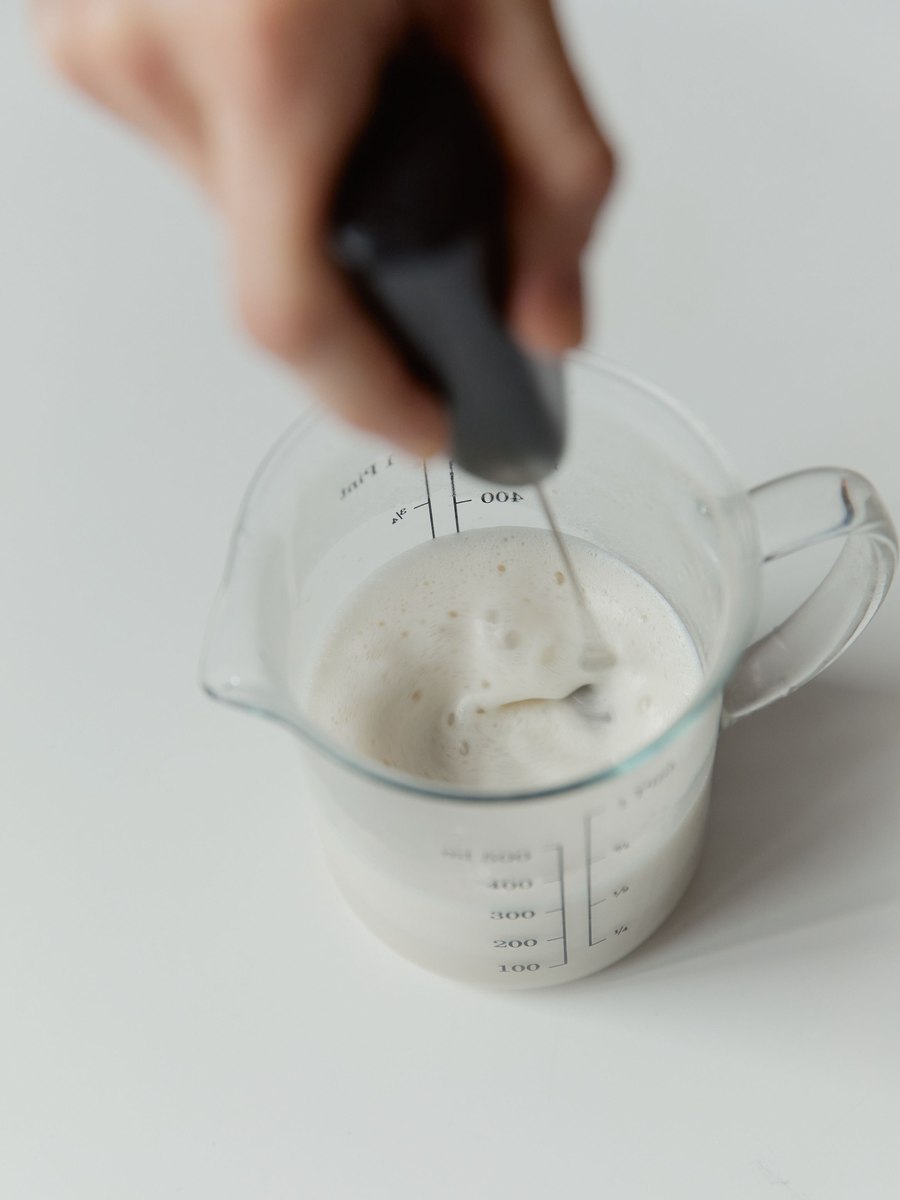
Step 2. Warm your milk (about 200ml) and froth it if you can. A handheld frother takes seconds.
Step 3. Pour the frothed milk over the hojicha paste. Sweeten lightly if you like — a little honey or maple is lovely, though good hojicha is naturally sweet enough that you may not need any. Stir, and drink.
Hojicha Latte with Loose Leaf (no powder needed)
No powder? No problem. The trick is to brew a small, very strong hojicha first, so the milk doesn't drown it.
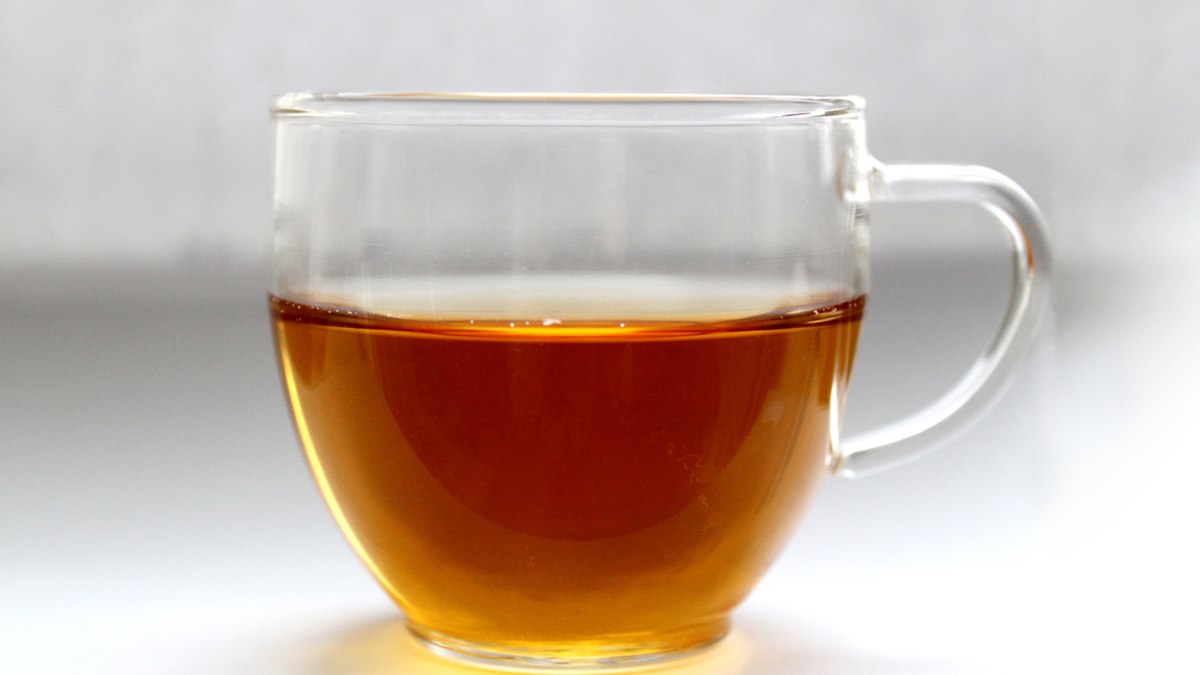
Step 1. Brew a concentrate: use about 8–10g of hojicha leaf with just 100ml of near-boiling water (90–100°C). Steep 1–2 minutes — longer than usual, because you want it strong. Strain well.
Step 2. Warm and froth about 150–200ml milk.
Step 3. Pour the hot milk over your strong hojicha concentrate, sweeten if you wish, and stir. Lighter than the powder version, but beautifully aromatic.
Iced Hojicha Latte
For hot days, it's just as easy. Make your hojicha paste (from powder) or strong concentrate (from leaf) as above, let it cool slightly, then pour over a glass of ice and cold milk. Stir well. The roasted, caramel notes are gorgeous cold — and an iced hojicha latte is one of the most refreshing low-caffeine drinks of summer.
Here's a small piece of advice that isn't about technique. The best part of this recipe is the smell — that toasty, kōbashii aroma that rises the moment hot water meets the roasted tea. Don't rush past it. When you whisk the paste, lean in and breathe it for a second. There's real research that the scent of roasted tea begins to calm the nervous system before you even drink. So make this latte slowly, on purpose, at the end of a long day. The three minutes of making it — the warmth, the whisking, the smell — are part of the medicine, not just a means to the cup.
Tips for a Better Hojicha Latte
Oat milk is a favourite — its natural sweetness and body suit the roasted notes beautifully, and it froths well. Don't skip the paste step with powder; mixing it smooth with a little water first prevents lumps. Go easy on sugar — taste before sweetening, because hojicha's caramel character is often sweet enough alone. And use it in the evening: this is a low-caffeine latte, so it's the one you can enjoy after dinner without losing sleep.
Which Hojicha Should You Use?
For lattes, hojicha powder gives the thickest, most latte-like result and the deepest colour — it's what I'd recommend buying if lattes are your goal. But a good loose-leaf hojicha brewed strong works wonderfully too, and doubles as a plain evening cup. Both are below.
New to the drink? Here's the simple explainer — what a hojicha latte is, how it tastes, and why it's so gentle.
What Is a Hojicha Latte? →Frequently Asked Questions
How much hojicha powder for a latte?
About 1–2 teaspoons per cup (200ml milk). Start with one for a milder latte, two for a stronger, more roasted flavour. Whisk it with a splash of hot water into a smooth paste first to avoid lumps.
Can I make a hojicha latte without a frother?
Yes. Whisk the powder paste with a spoon or small whisk, then warm the milk in a pan and whisk it briskly, or shake hot milk in a sealed jar for foam. A frother is convenient but not essential.
What's the best milk for a hojicha latte?
Oat milk is a popular choice — its sweetness and body suit the roasted notes and it froths well. Whole dairy milk is creamy and classic; almond and soy also work. Use whatever you enjoy.
Is a hojicha latte caffeine-free?
No, but it's low — a cup of hojicha is well under a coffee (about a third), and stem-based or cold-brewed hojicha is lower still. That's why a hojicha latte is a good evening drink, unlike a high-caffeine matcha latte. It's not zero, though.
Can I make it iced?
Yes. Make the paste or strong concentrate, cool slightly, then pour over ice and cold milk and stir. An iced hojicha latte is wonderfully refreshing in summer and just as low in caffeine.