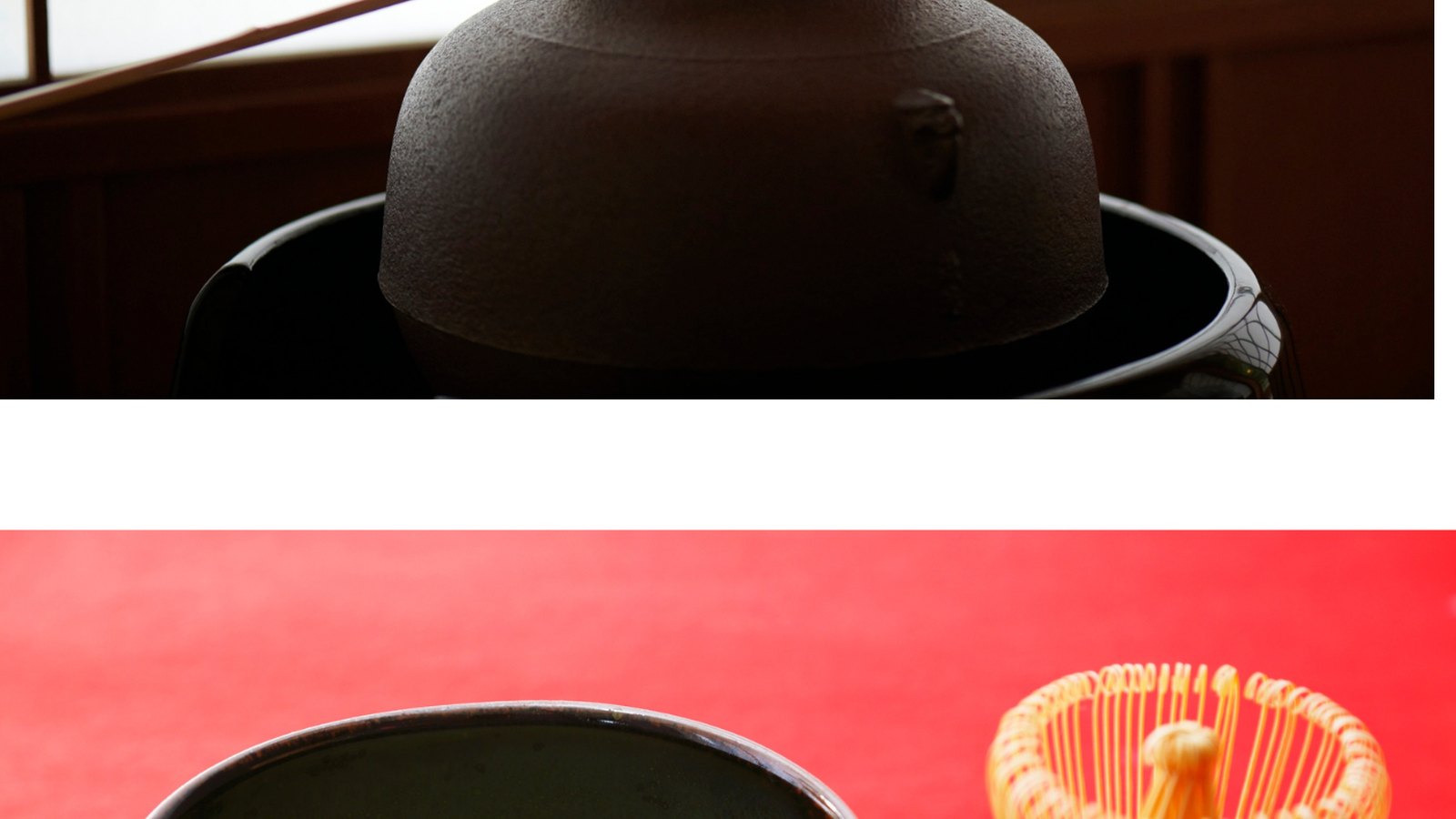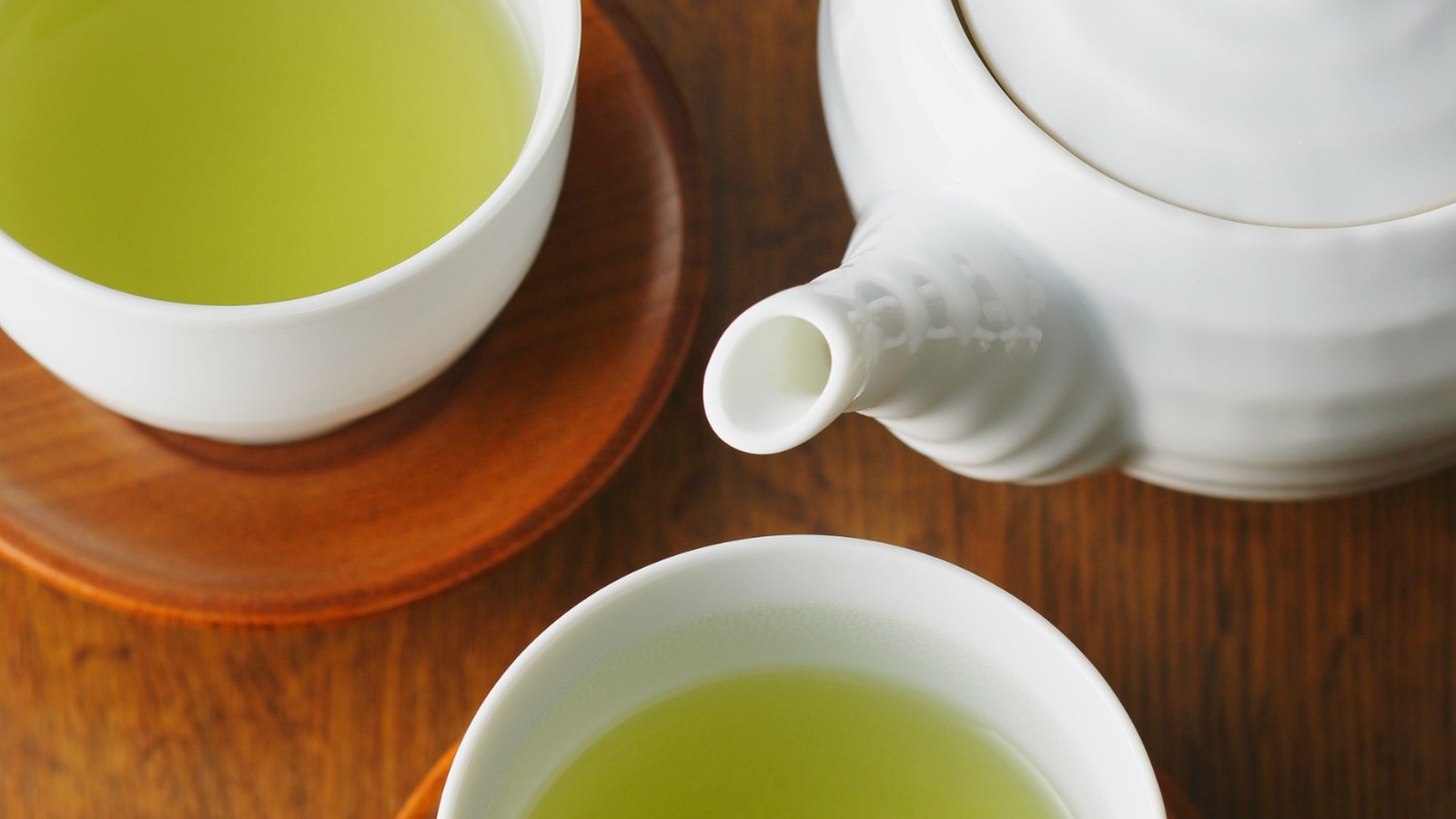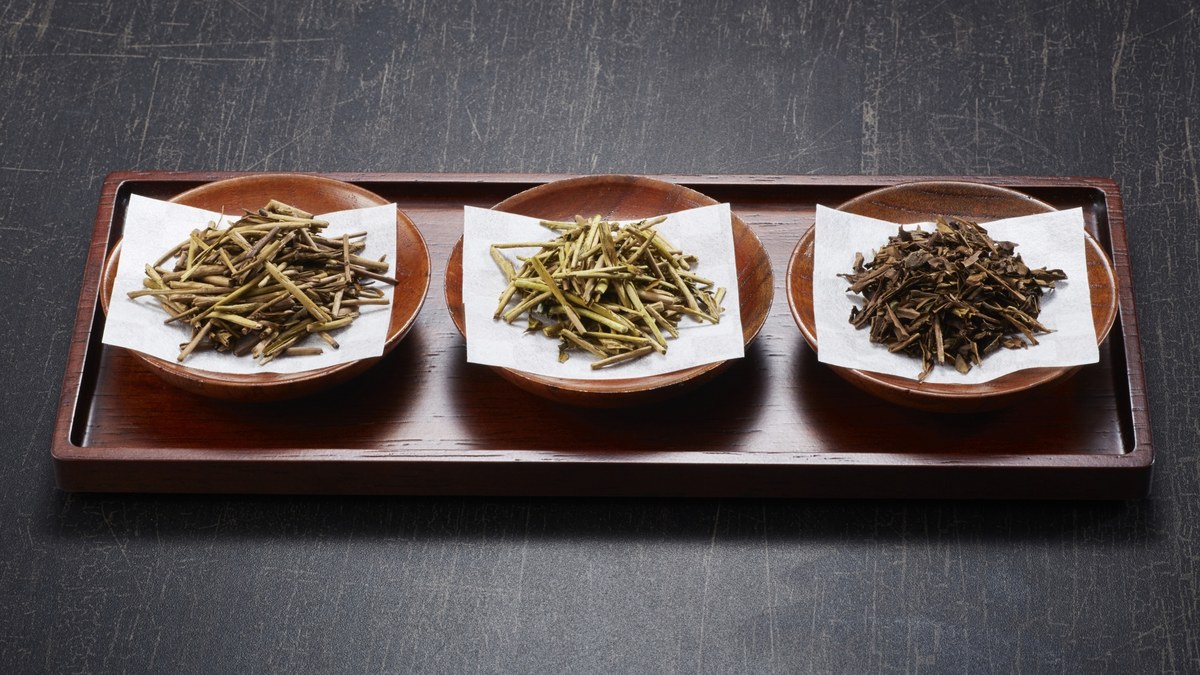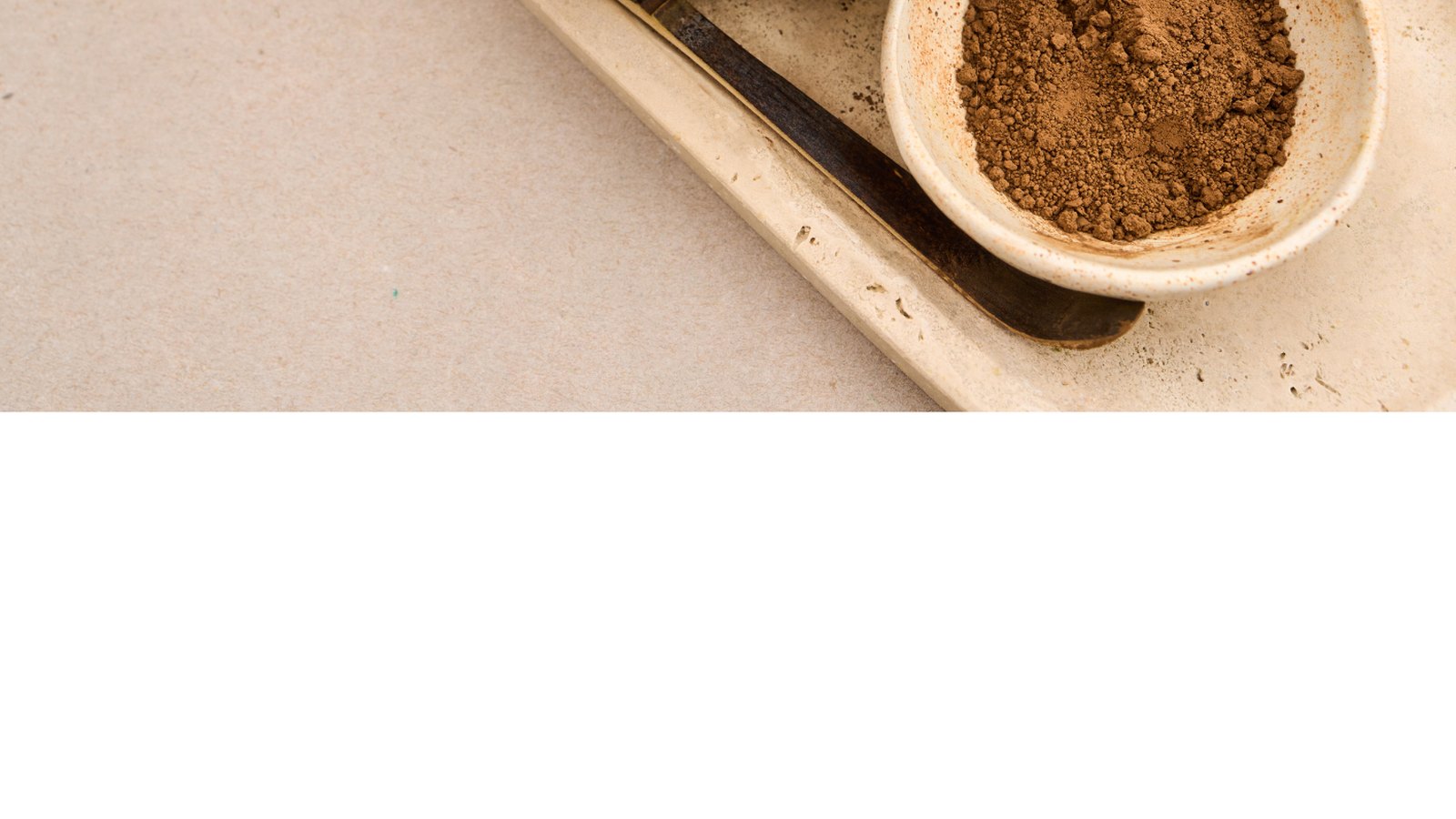
Let's start simply. Hojicha powder is roasted green tea, ground into a fine powder — much like matcha in texture, but a world apart in character. Where matcha is bright green and made from shade-grown young leaves, hojicha is reddish-brown and made from more mature leaves and stems that are roasted before grinding. That roasting changes everything: the grassy, vegetal notes of green tea turn warm and toasty, like toasted caramel, light cocoa, and roasted nuts. It's the cosiest powdered tea I know — and, crucially, like matcha, you whisk and drink the whole leaf rather than steeping and discarding it.
Hojicha Powder vs Matcha
Since most people meet hojicha through matcha, the comparison is the quickest way to understand it. They come from the same plant, Camellia sinensis, and you whisk both into a drink the same way — but they're opposites in almost every other respect. (And a quick note: you'll sometimes see it sold as "hojicha matcha," which is technically a misnomer — matcha means shade-grown, stone-ground tea — but it tells you it's used the same way.)
| Matcha | Hojicha Powder | |
|---|---|---|
| Colour | Vivid green | Warm reddish-brown |
| Taste | Grassy, umami, slightly bitter | Toasty, sweet, nutty, no bitterness |
| Caffeine | High (one of the highest teas) | Low (one of the lowest) |
| Leaf used | Shade-grown young leaves | Roasted mature leaves & stems |
| Best for | Energy, vivid green colour, intensity | Evening, lattes, toffee-warm baking |
The headline difference is caffeine: matcha is one of the highest-caffeine teas, hojicha one of the lowest. If matcha is the tea for a bright morning, hojicha powder is the one you can enjoy in the evening — or hand to anyone who finds matcha too strong or too grassy.
How to Make a Hojicha Latte
This is what most people want hojicha powder for, and it's wonderfully forgiving — easier than matcha, since it clumps less and dissolves more readily.
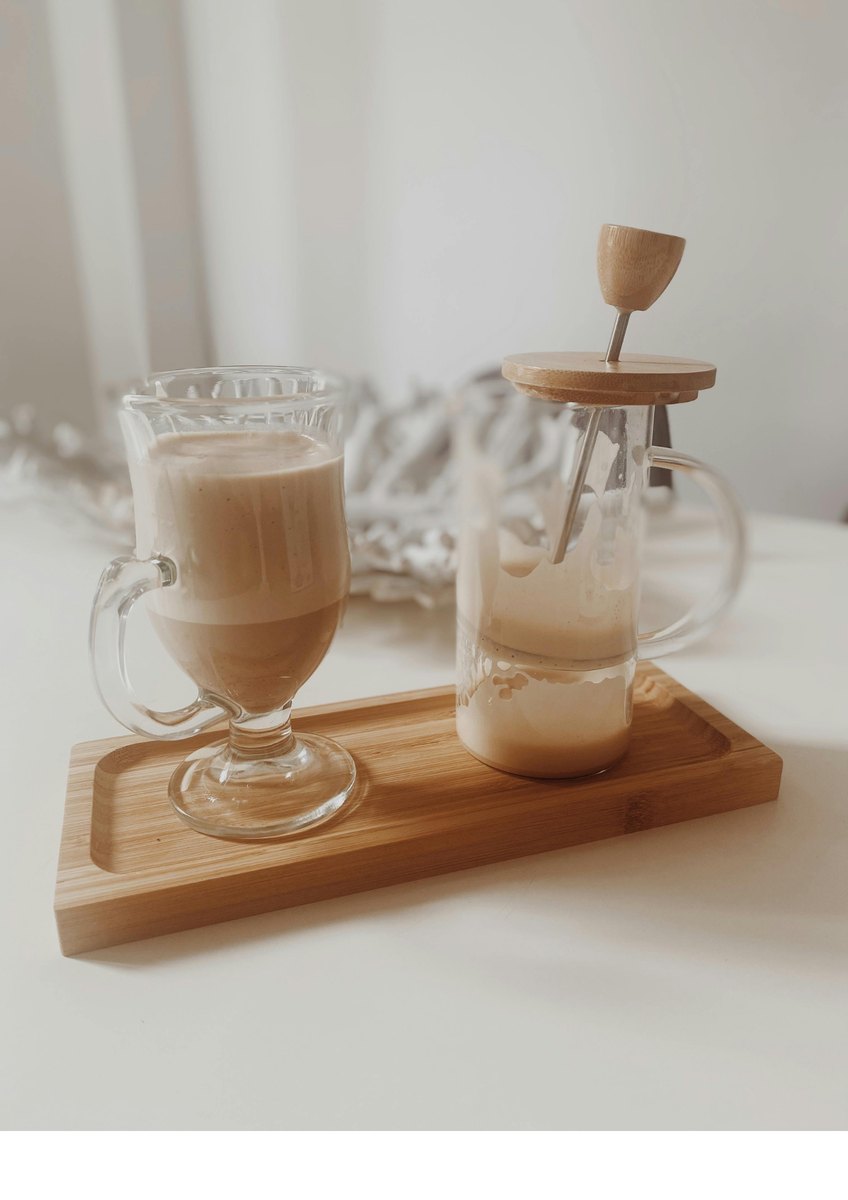
For a hot latte: Sift about 1 teaspoon (2–4g) of hojicha powder into a cup or bowl. Add a small splash of hot water (around 80–90°C — hojicha isn't fussy) and whisk into a smooth paste; a bamboo whisk gives the creamiest foam, but a small electric frother or a lidded jar works fine. Add about 150ml of steamed or warm milk (dairy, oat and soy all work beautifully), and sweeten lightly if you like — though hojicha is naturally sweet enough that it usually needs less than matcha.
For an iced latte: Whisk the powder with the splash of hot water first and dissolve any sweetener into that warm paste — this is the trick, since sweetener won't dissolve in cold milk. Then pour over a glass of cold milk and ice. It tastes like a roasted, comforting milk tea, and it's glorious in summer.
A rough starting ratio is 1 teaspoon powder : 50ml hot water : 150ml milk — then adjust strength and sweetness to taste once you've made it a couple of times.
Beyond the Latte: Cooking and Baking
Here's where hojicha powder really earns its place in the cupboard. Because you're using the whole leaf as a fine powder, it folds into food the way matcha does — but its toasty, caramel-roasted flavour is far more universally loved, and it holds up beautifully to heat. A few ideas:
Baking: whisk a tablespoon into cake batter, cookie dough, muffins or brownies. Hojicha pairs especially well with brown butter, white chocolate, and vanilla — think of it as a tea that tastes a little like caramel already.
Frozen and creamy: it's wonderful in ice cream, panna cotta, puddings and whipped cream — dust it over soft serve, or stir it into a custard base.
Drinks: add a spoonful to smoothies or hot chocolate for a roasted depth, or stir into warm milk for the simplest possible nightcap.
Because it's low in caffeine, it's the one powdered tea you can bake with and enjoy late in the day without a second thought.
Powder or Loose Leaf — Which Should You Buy?
A question worth answering plainly, because hojicha was a loose-leaf tea long before it was ever a powder. They're not rivals; they do different jobs.
Buy the powder if you want lattes, baking, or any recipe where the tea needs to blend into milk or batter. Because you consume the whole leaf, the flavour is more concentrated and the colour richer — ideal for café-style drinks and desserts. Look for a finely milled, stone-ground powder (sometimes labelled "latte" grade); a coarse powder turns gritty.
Buy the loose leaf if you mostly want a clean, brewed cup of hojicha to sip — the traditional after-dinner tea of Japanese homes. It's gentler, cheaper per cup, and lets that toasty aroma shine on its own.
Honestly? Many tea lovers keep both: loose leaf for the quiet evening cup, powder for lattes and baking. Between them, hojicha covers every kind of cosy moment.
An Acupuncturist's Recipe: A Spleen-Soothing Hojicha Blend
Here's something you won't find on any café menu — a little recipe from my own side, as an acupuncturist. Since hojicha is a warm, gentle tea that supports digestion (the "Spleen and Stomach," in the language of East Asian medicine), it makes a beautiful base for a digestive blend. And there's one classical herb that pairs with it almost perfectly: chenpi (陳皮), dried aged tangerine peel.
Chenpi is one of the most treasured digestive herbs in the East Asian tradition — warm in nature, used for centuries to "move qi," ease bloating and fullness, and strengthen a tired Spleen and Stomach. Notice how neatly it lines up with hojicha: both are warming, both are gentle, both point at the same comforting, digestion-soothing direction. They don't fight; they amplify each other. The toasty roast of hojicha and the bright, warm citrus of aged peel are, frankly, a delicious match too.
Here's how I make it, after a heavy meal or on a cold evening:
Warm Hojicha & Chenpi (Spleen-Soothing Cup)
• 1 tsp hojicha powder (or a cup of brewed loose-leaf hojicha)
• A small piece of dried tangerine peel (chenpi), about 2–3g
• Optional: a thin slice of fresh ginger, for extra warmth on a cold day
• Optional: a little honey to taste
Method: Steep the chenpi (and ginger, if using) in hot water — around 90°C — for 5 minutes to draw out the citrus warmth. Then whisk in the hojicha powder until smooth, or use the chenpi infusion as the hot water for brewing your loose-leaf hojicha. Sweeten lightly if you like. The result is warm, toasty, citrus-bright, and deeply soothing — the kind of cup I reach for when my body wants settling rather than stimulating.
One honest note, as always: chenpi's traditional digestive uses have centuries of observation behind them and some promising modern research, but it isn't a proven cure for anything — think of this as a comforting, time-honoured ritual, not medicine. And because chenpi is warming and drying, anyone who runs very hot or dry should go easy on it. For most people, after a big meal, it's simply a lovely, settling cup.
This blend is the kind of thing I love most — where the tea I grew up with meets the medicine I practise. Here's the best part: you don't even need to buy chenpi — you can make it yourself, for free. The next time you eat a mandarin, tangerine or satsuma, don't throw away the peel. Rinse it, tear it into pieces, and leave it to dry in a well-ventilated spot for a week or two until it's hard and brittle. That's chenpi — and traditionally, the longer you age it, the better it's considered to be. (You can buy it ready-made at any Chinese grocer or online, too, if you'd rather skip the wait.) Keep a little jar beside your hojicha, and you have a two-ingredient ritual — made from what most people throw away — for those evenings when you've eaten a touch too much and want to feel human again. It costs nothing, wastes nothing, and has comforted people for hundreds of years.
A Gentle Cup, Body and All
One last thing, from my side as someone who works with the body. Part of why hojicha powder feels so comforting isn't just taste — it's the roasted aroma itself. The high-temperature roasting creates compounds called pyrazines (the same toasty molecules in roasted coffee and fresh bread), and Japanese research suggests that simply smelling that aroma can nudge your nervous system toward its calm, "rest and recover" mode. So a warm hojicha latte in the evening soothes you twice over: very little caffeine to keep you up, and a fragrance that quietly tells your body to unwind. If you'd like the fuller story of how roasting transforms this tea, I've written about it in what is hojicha.
Frequently Asked Questions
What is hojicha powder?
It's roasted green tea (hojicha) stone-ground into a fine powder, much like matcha. Reddish-brown and toasty rather than green and grassy, it dissolves into milk and water for lattes, and folds into baking. Because it's the whole leaf, the flavour is concentrated and the caffeine still low.
Is hojicha powder the same as matcha?
No. Both are whisked Japanese green tea powders, but matcha is shade-grown young leaves — green, grassy, high in caffeine — while hojicha powder is roasted leaves and stems — brown, toasty, sweet, and low in caffeine. "Hojicha matcha" is a common but technically incorrect label.
How much caffeine is in hojicha powder?
Low — roughly a third of a cup of coffee, and far less than matcha. It's gentle mainly because hojicha is made from mature leaves and stems; the roasting changes the flavour more than the caffeine. That's why hojicha lattes are a popular evening and all-ages choice. It's not caffeine-free, though.
Can you bake with hojicha powder?
Yes, beautifully. Its roasted, caramel-like aroma holds up to heat and folds into cakes, cookies, brownies, ice cream and puddings. It pairs especially well with brown butter, white chocolate and vanilla. Use a finely milled powder for a smooth result.
What can I add to hojicha for digestion?
A lovely traditional pairing is dried aged tangerine peel (chenpi) — a warming East Asian herb long used to ease bloating and support digestion. Since both hojicha and chenpi are gentle and warming, they complement each other beautifully. Steep a small piece of chenpi (and a slice of ginger, if you like) in hot water, then whisk in your hojicha. You can buy chenpi, or simply make it by drying mandarin or tangerine peel yourself. It's a soothing after-meal cup — a comforting ritual rather than a medicine.