The Flavour, in Plain Words
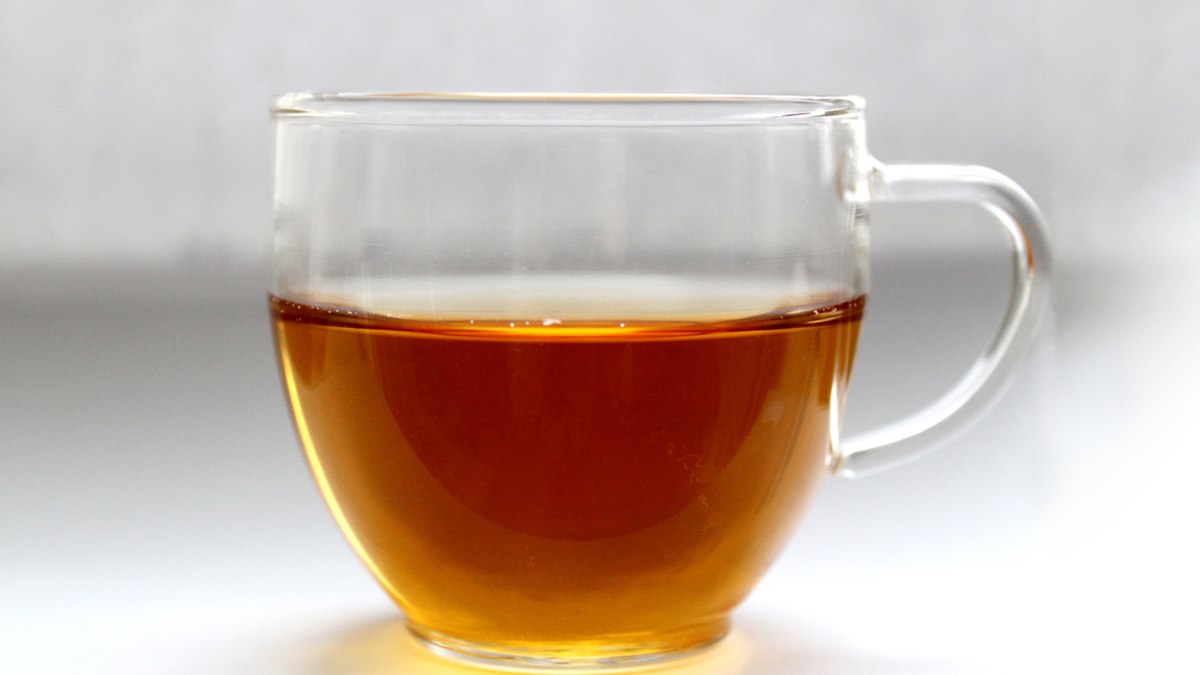
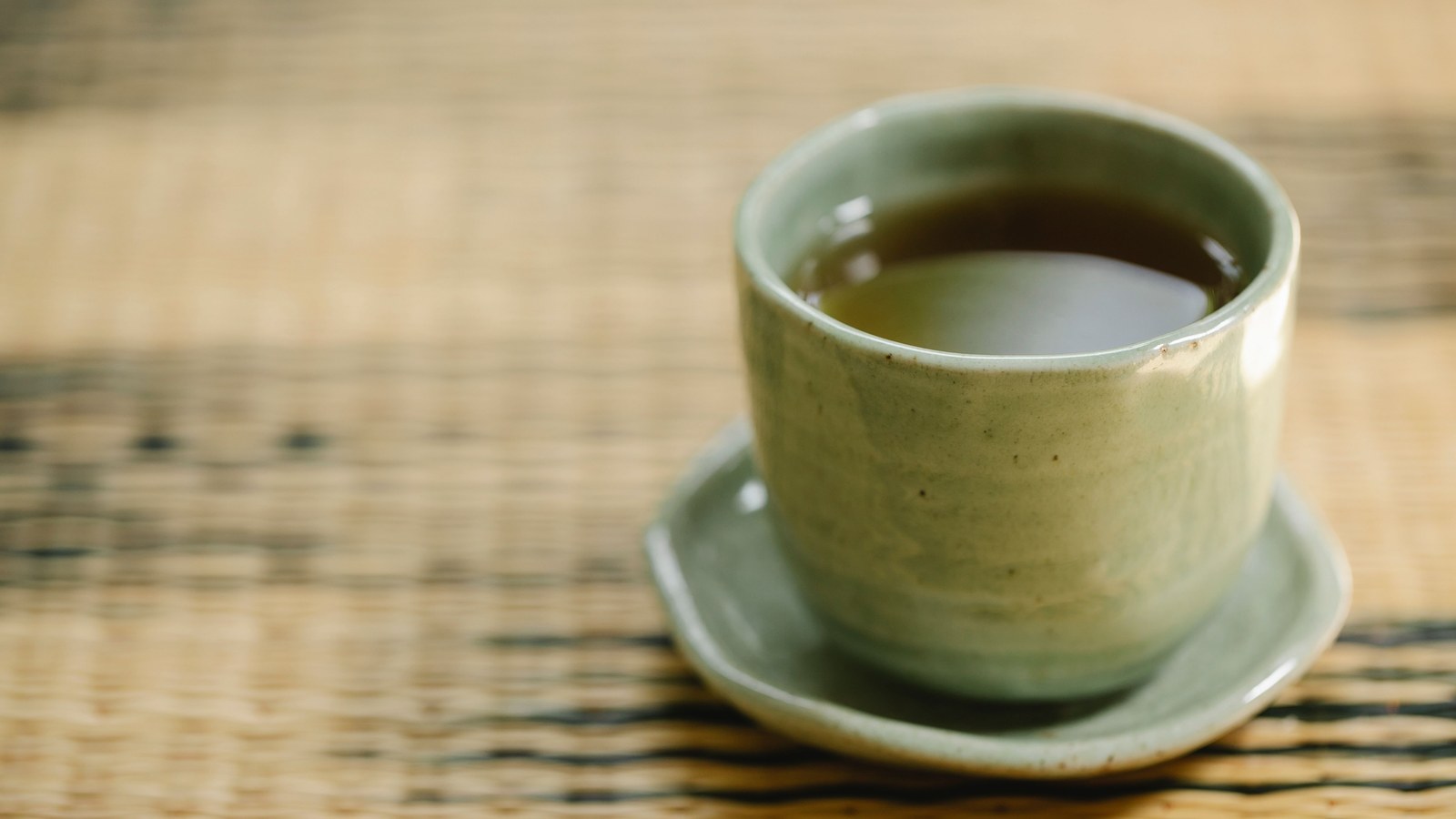
A good cup of hojicha tastes warm and roasted. The first thing you notice is the aroma — deeply toasty, like fresh-baked bread crust or roasted nuts. On the palate it's smooth and round, with a natural sweetness and flavours people most often describe as caramel, roasted chestnut, toasted grain, and cocoa. There's a clean, light body — it's never heavy or thick like coffee — and crucially, it finishes without bitterness or that drying, astringent grip that puts some people off green tea. It's one of the most universally easy-to-like teas Japan makes.
| You'll taste… | Notes |
|---|---|
| Toasty / roasted | Bread crust, roasted nuts — the signature |
| Sweet | Caramel, gentle natural sweetness |
| Nutty | Roasted chestnut, almond |
| Cocoa-like | A faint chocolatey depth |
| Bitterness | Almost none — smooth and round |
Where the Flavour Comes From: the Roast
Every bit of that taste comes from one thing: roasting. Hojicha is green tea roasted at high heat (often above 200°C), and that fire triggers the Maillard reaction — the same browning chemistry that gives roasted coffee, toasted bread and seared food their deep, savoury-sweet aromas. It creates toasty aroma compounds called pyrazines, which are exactly what you smell and taste as "roasted" and "nutty."
At the same time, the heat burns off much of the catechins and tannins — the compounds responsible for green tea's bitterness and astringency. So roasting does two things at once: it adds warm, sweet, toasty flavour, and it removes the sharp, grassy bitterness. That's why hojicha tastes so different from the leaf it started as.
Hojicha vs Sencha: a Tale of Two Flavours
The clearest way to understand hojicha's taste is against sencha, the everyday Japanese green tea it's often made from. Sencha is fresh, grassy, vegetal and umami-rich, with a brisk, slightly astringent edge — it tastes green and alive. Hojicha is its roasted opposite: warm, brown, toasty and sweet, with no grassiness and no bite. Same plant, transformed by fire into something that tastes like a different drink entirely. If sencha is a crisp spring morning, hojicha is a cosy autumn evening.
Part of my training is in observing how flavour and the body connect, and hojicha is a lovely example. In East Asian thinking, a bitter taste is cooling and clearing, while a sweet, roasted taste is warming and settling — it nourishes and grounds. That maps exactly onto how hojicha actually feels to drink: the roast removes the cooling bitterness and brings forward a warm sweetness, and the cup genuinely feels settling rather than sharpening. So when I describe hojicha as "toasty and sweet," I'm not only describing a flavour — I'm describing what that flavour does to a tired body. The taste and the effect are the same story. The sweetness you notice on your tongue is the same quality that makes the tea feel like comfort.
Does Hojicha Taste Like Coffee?
A little — and that's why coffee lovers often take to it. Hojicha shares coffee's roasted, slightly bitter-sweet, nutty character, because both get their flavour from roasting. But hojicha is much lighter and gentler: thinner in body, less acidic, far lower in caffeine, and without coffee's intensity. Think of it as the calm, mellow relative of coffee — the same comforting roasted note, dialled right down. It's a wonderful afternoon or evening swap for people cutting back on coffee.
What to Expect Your First Time
If you've only ever had grassy green tea, your first hojicha may genuinely surprise you — many people don't believe it's green tea at all. Expect something warm, smooth, lightly sweet and immediately comforting, with a gorgeous toasty smell. It's a tea that rarely needs sugar and never needs "getting used to." For most people, it's love at first sip — which is exactly why I hand it to anyone who tells me they "don't like green tea."
Curious about everything else — its caffeine, benefits, history and how to brew it? Here's the complete overview.
What Is Hojicha? The Complete Guide →Frequently Asked Questions
Is hojicha sweet or bitter?
Sweet, not bitter. Roasting burns off most of green tea's astringent, bitter compounds and brings out caramel-like sweetness. Hojicha is one of the smoothest, least bitter teas Japan makes — it rarely needs sugar.
Does hojicha taste like green tea?
Not in the way most people expect. Although it is green tea, roasting transforms it — so instead of grassy and vegetal, it tastes toasty, nutty and sweet. Many first-timers don't believe it's green tea at all.
Does hojicha taste like coffee?
A little — both get roasted notes from high-heat roasting, so hojicha shares coffee's nutty, toasty, bitter-sweet character. But it's much lighter, less acidic and far lower in caffeine. It's a gentle alternative for coffee drinkers.
Why is my hojicha bitter?
Good hojicha shouldn't be bitter. If yours is, it may be over-steeped, made from a lower-quality or over-roasted (burnt) tea, or simply old and stale. Try a shorter steep and a fresher, well-made hojicha — it should taste smooth and sweet.