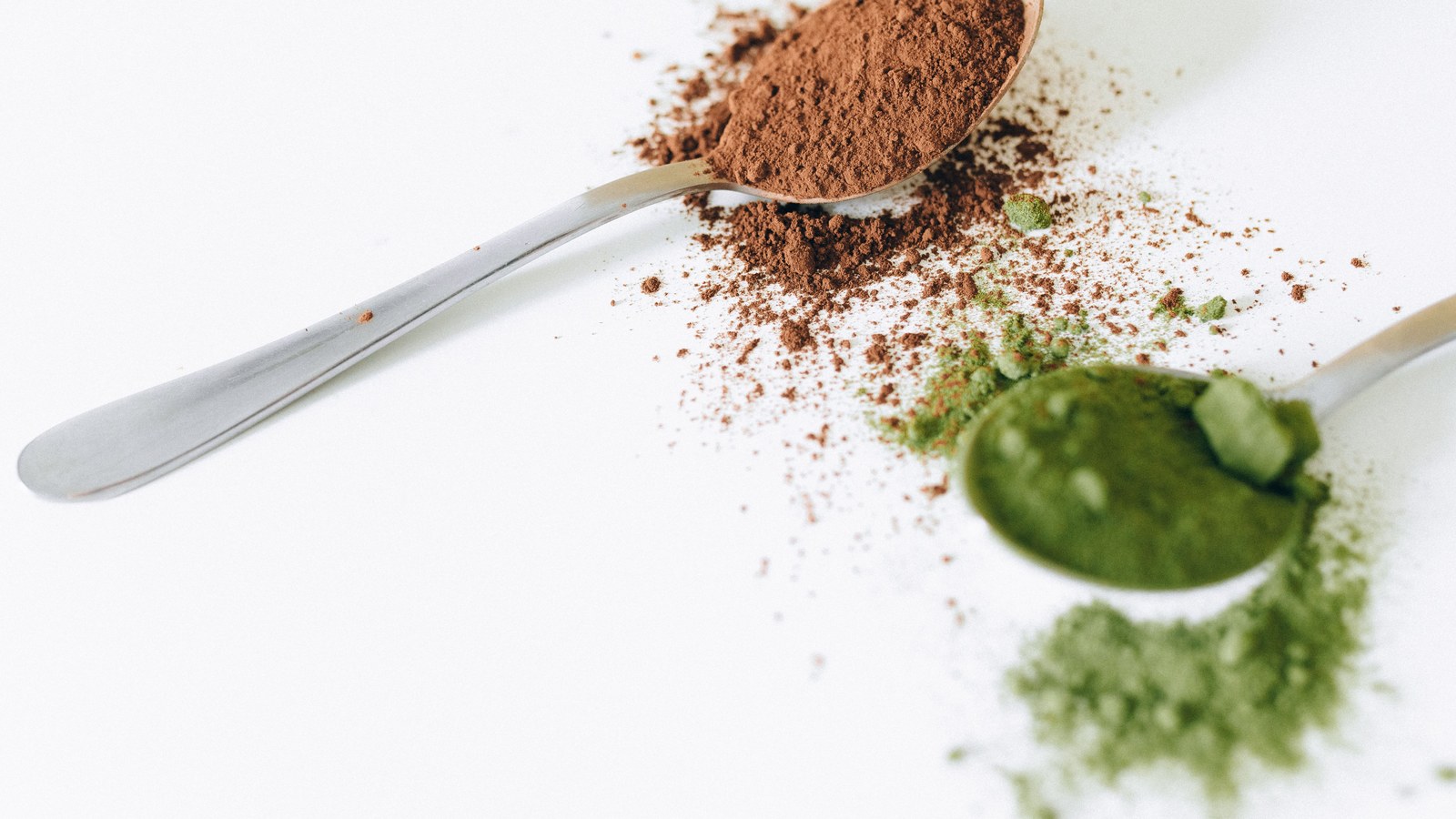
The One-Line Difference
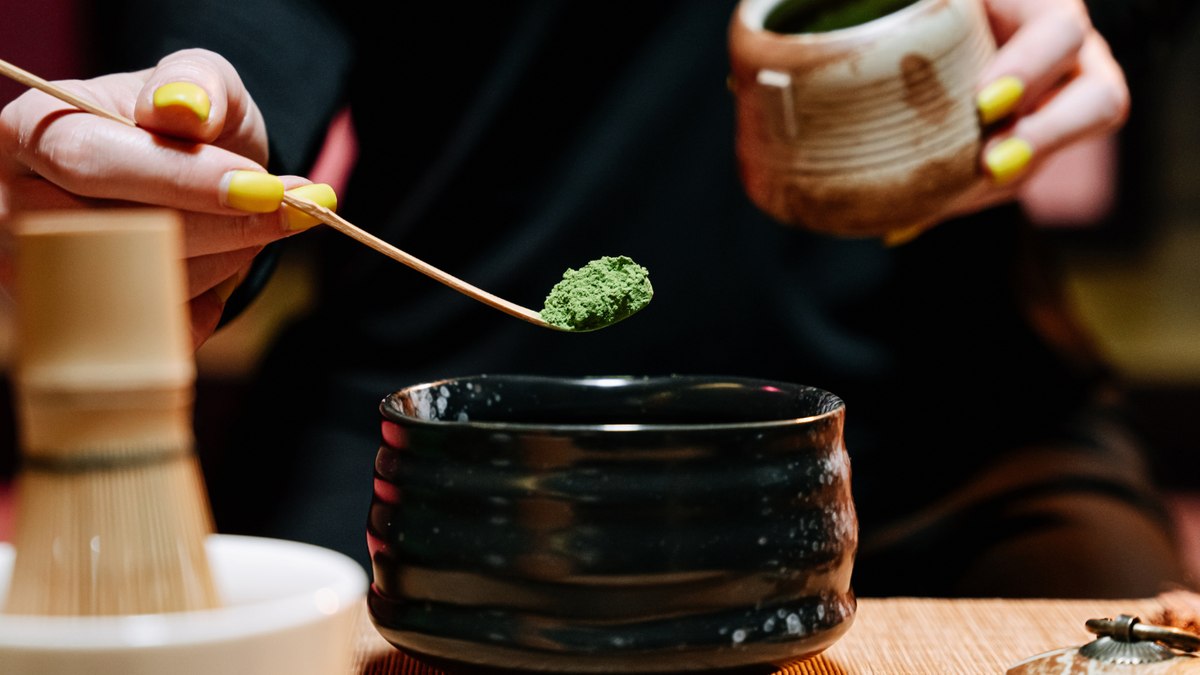
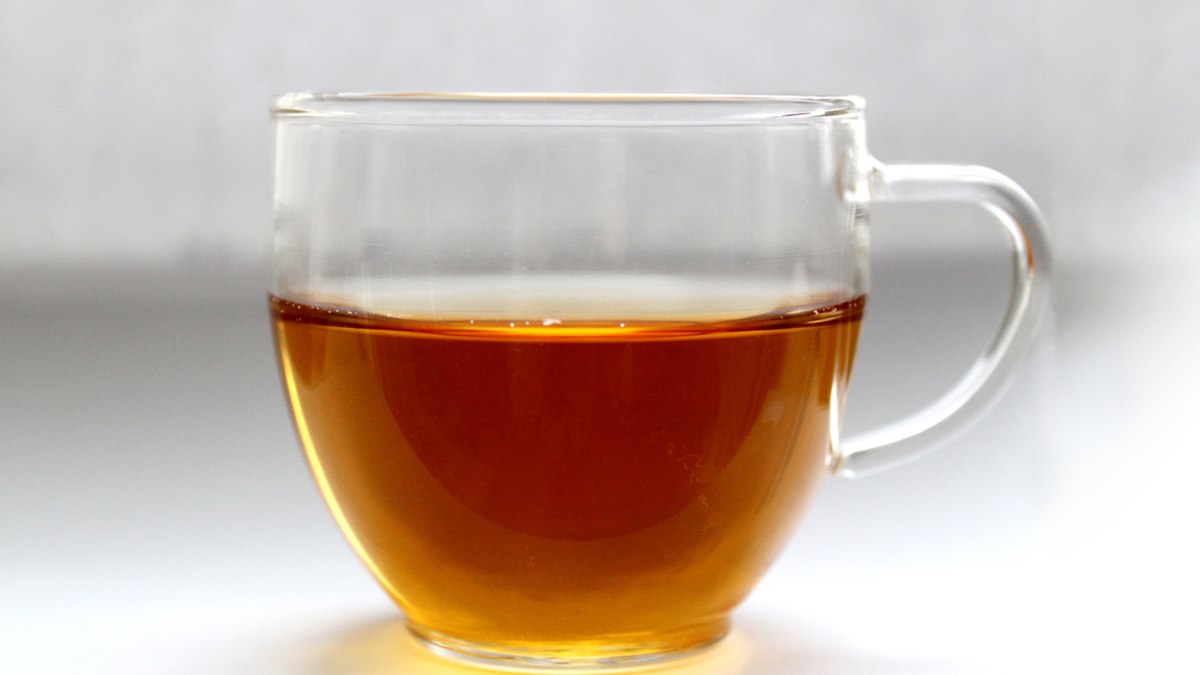
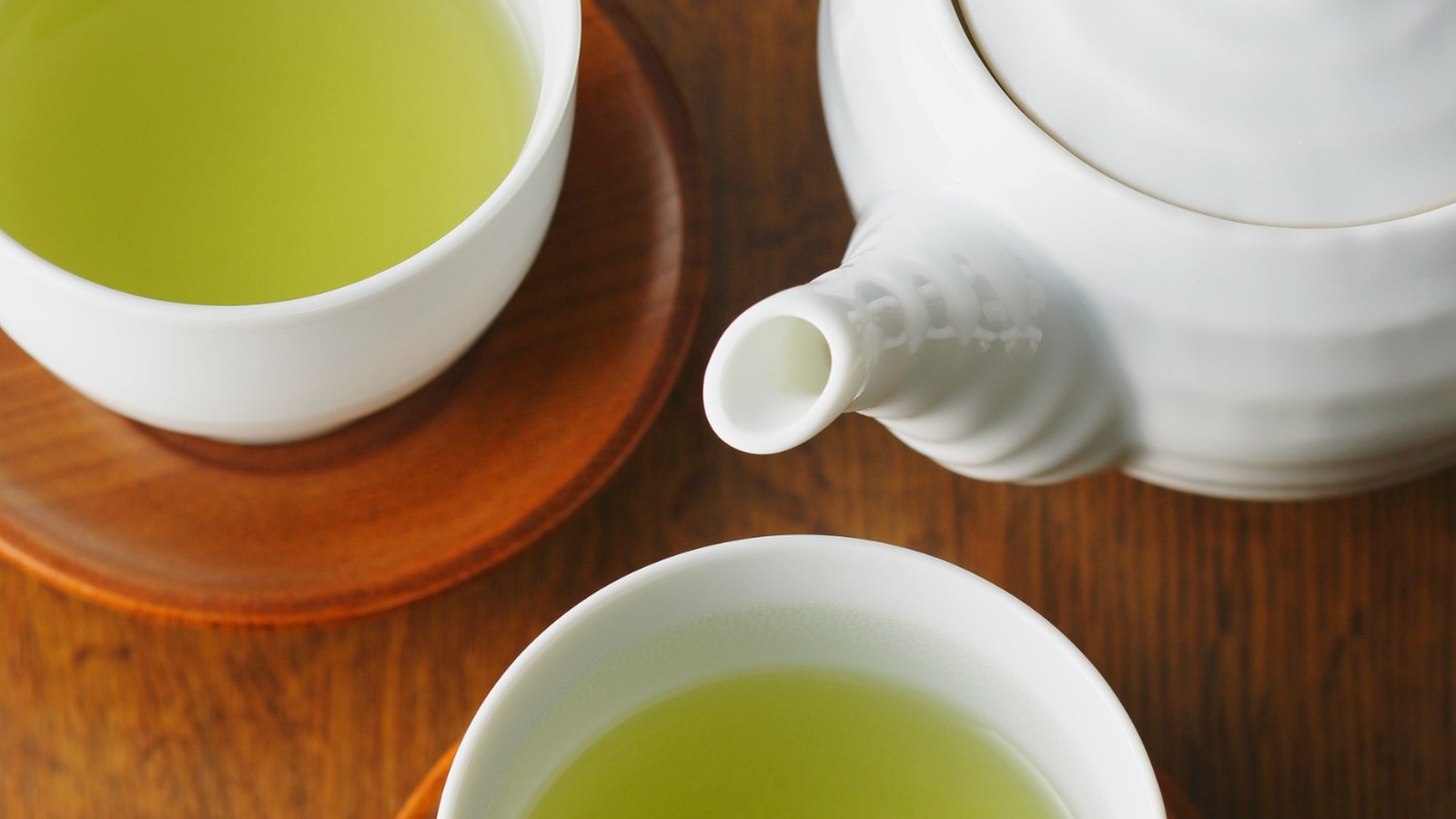
If you remember nothing else: matcha is shade-grown green tea, ground raw into a vivid powder; hojicha is roasted green tea, turned toasty and brown. Matcha amplifies everything green tea is — colour, caffeine, umami. Hojicha transforms it with fire into something gentler. Same leaf, opposite philosophies.
| Matcha | Hojicha | |
|---|---|---|
| How it's made | Shade-grown, steamed, stone-ground raw | Roasted at high heat |
| Colour | Vivid green | Reddish-brown |
| Taste | Grassy, umami, rich, a little bitter | Toasty, nutty, caramel-sweet, no bitterness |
| Caffeine | High (~60–70mg, near a coffee) | Lower (~30mg a cup) |
| You drink… | The whole leaf (powder) | An infusion (or powder) |
| Best time | Morning, for focus | Evening, to wind down |
| Nature (East Asian view) | Cooling | Warming |
Caffeine: The Biggest Practical Gap
This is where the choice gets real for most people. Matcha is high in caffeine — because you drink the whole powdered leaf, a bowl delivers around 60–70mg, close to a coffee, with a smooth, sustained lift (thanks to L-theanine balancing it). Hojicha is much lower — about 20mg per 100ml by Japan's official tables, roughly 30mg a cup (and lower for stem-based or cold-brewed). It's gentle mainly because it's made from mature leaves and stems; roasting makes it taste mellow rather than removing the caffeine. Either way, the gap with matcha is large and real.
So the practical rule writes itself: if you want energy and focus, matcha. If you want comfort and calm — especially in the evening — hojicha. I drink matcha when I need to be sharp for clients, and hojicha when the day is done. For the full caffeine ranking of every Japanese tea, see my complete guide linked below.
Flavour: Grassy Green vs Toasty Brown
Matcha tastes of fresh-cut grass, sweet umami and a clean, vegetal richness, sometimes with a pleasant bitter edge — it's an acquired love for some. Hojicha tastes of roasted chestnut, caramel and cocoa, with no bitterness at all. If you've ever found matcha "too green," hojicha is very often the tea that wins you back. And if you adore matcha's vivid depth, hojicha offers the opposite comfort for when you're not in the mood for intensity.
I was trained to read the body through two lenses — Western science and East Asian medicine — and hojicha versus matcha is where both lenses agree beautifully. In Western terms: matcha is high-caffeine and stimulating, hojicha is low-caffeine and calming. In my tradition's terms: matcha is cooling (clearing, sharpening) and hojicha is warming (settling, grounding) — because fire changes the nature of the leaf. Two completely different languages, the same conclusion. That's when I trust a piece of wisdom most: when the chemistry and the old tradition point the same way. Match the cup to your state. Need to rise? Matcha. Need to rest? Hojicha.
Which Should You Choose?
Choose matcha if you want a focused morning lift, you love rich umami flavour, you're making a vibrant green latte, or you want the antioxidant hit of drinking the whole leaf. Choose hojicha if you want something for the evening, you're caffeine-sensitive, you find green tea too grassy or bitter, you want a tea that's easy on the stomach, or you simply want comfort over intensity.
But the honest answer most Japanese homes would give? Keep both. Matcha for the morning, hojicha for the night. They're not a competition — they're the two ends of one wonderful plant, each right for its own hour.
What About a Hojicha Matcha Latte?
You don't even have to choose in the cup. Some cafés layer a hojicha latte and a matcha latte together — green and brown — for a striking two-toned drink that tastes of both grass and caramel. It's playful and lovely. If you want to make either at home, I've written full guides to both, linked below.
Want every Japanese tea ranked by caffeine — gyokuro, sencha, genmaicha, bocha and more — with the science behind each?
Caffeine in Japanese Tea: The Complete Guide →Frequently Asked Questions
Is hojicha or matcha healthier?
Neither is simply "healthier" — they offer different things. Matcha is more antioxidant-dense because you drink the whole leaf, but it's high in caffeine. Hojicha has fewer antioxidants (roasting reduces them) but is far gentler — low caffeine, easy on the stomach, calming. The healthier choice depends on what your body needs at that moment.
Does hojicha or matcha have more caffeine?
Matcha, by a wide margin — around 60–70mg per bowl versus roughly 7–15mg for a cup of hojicha. If cutting caffeine is your goal, hojicha is the clear pick.
Can I drink hojicha in the morning and matcha at night?
You can, but most people do the reverse: matcha in the morning for its focused lift, hojicha at night to wind down without disturbing sleep. Matcha's caffeine can make it a poor evening choice for sensitive sleepers.
Do hojicha and matcha taste similar?
Not at all. Matcha is grassy, vegetal and umami-rich; hojicha is toasty, nutty and caramel-sweet with no bitterness. They come from the same plant but roasting makes them taste like two different drinks.