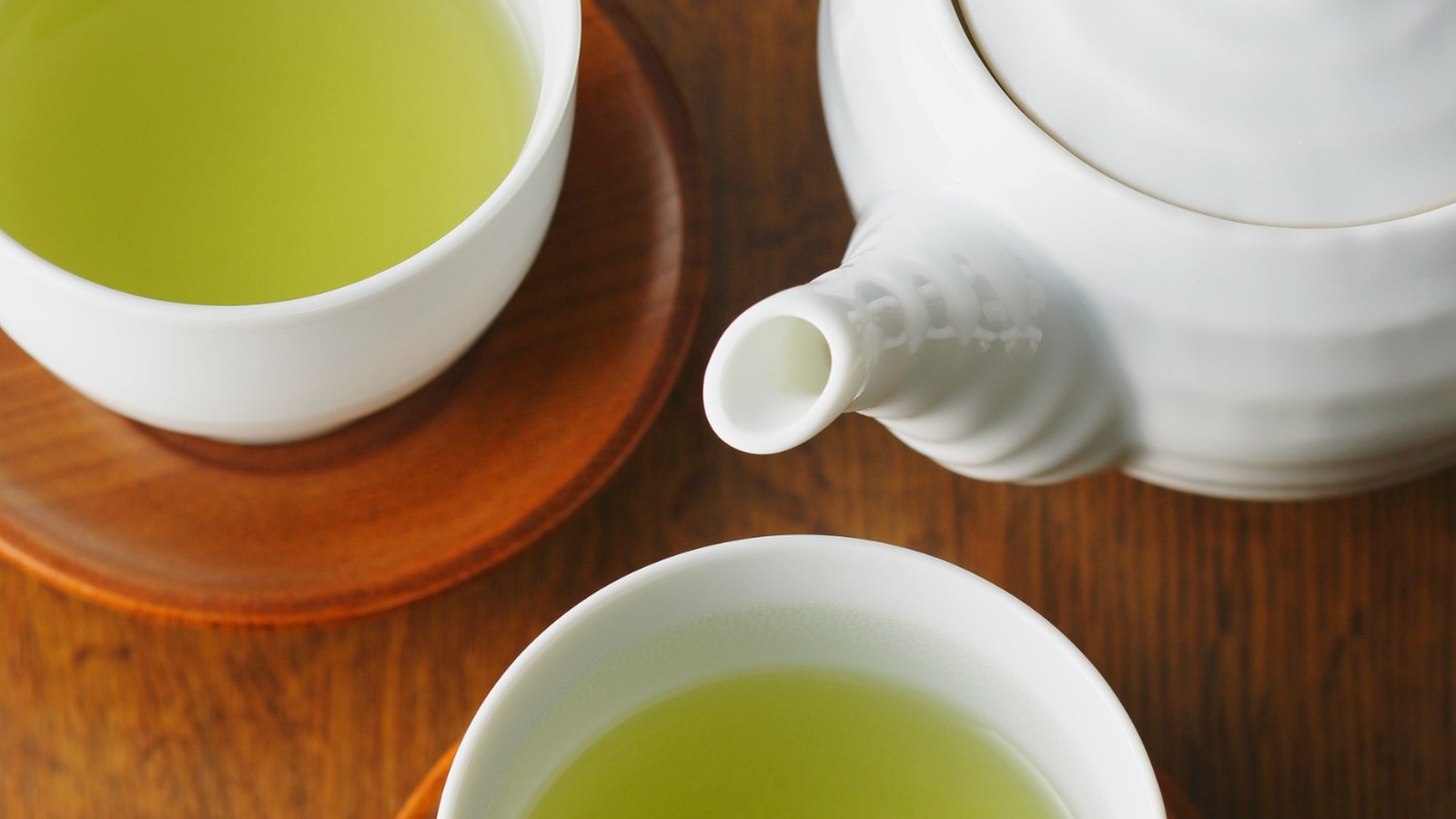
Here's the single most important thing I can tell you, and the mistake nearly everyone makes: do not use boiling water on green tea. Boiling water scorches the delicate leaves, pulling out a rush of bitter, astringent compounds and burying the sweetness and umami beneath them. Almost every "I don't like green tea" I've ever heard traces back to this one habit. Cool the water down, and the very same leaves turn sweet, smooth and fragrant. That's the whole secret. Everything else is detail — but the detail is worth knowing, so let's go through it properly.
Why Temperature Is Everything: The Dial You Can Taste
This is the part I love, because it's pure cause and effect — chemistry you can taste in the cup. Green tea holds different compounds that dissolve at different temperatures, so the heat of your water acts like a dial that decides which ones end up in your drink.
Hot water, above about 80°C, rapidly pulls out catechins and tannins — the compounds behind bitterness and that mouth-drying astringency. Cooler water, around 60–70°C, favours the amino acids, above all L-theanine, which carry sweetness and that savoury, broth-like umami. So when you cool your water, you're not just "being gentle" — you're deliberately turning the dial away from bitterness and toward sweetness. Turn it hot for a brisk, sharp cup; turn it cool for a sweet, mellow one. Nothing mystical about it: it's simply which compounds dissolve when.
Knowing this, you can diagnose almost any cup. Too bitter? The water was too hot. Thin and dull? Too cool, or too little leaf. Once the principle clicks, you stop following recipes and start brewing by understanding — which is the whole goal.
The Basic Method, Step by Step
Here's how I brew an everyday cup of sencha. Read it once and it becomes second nature.
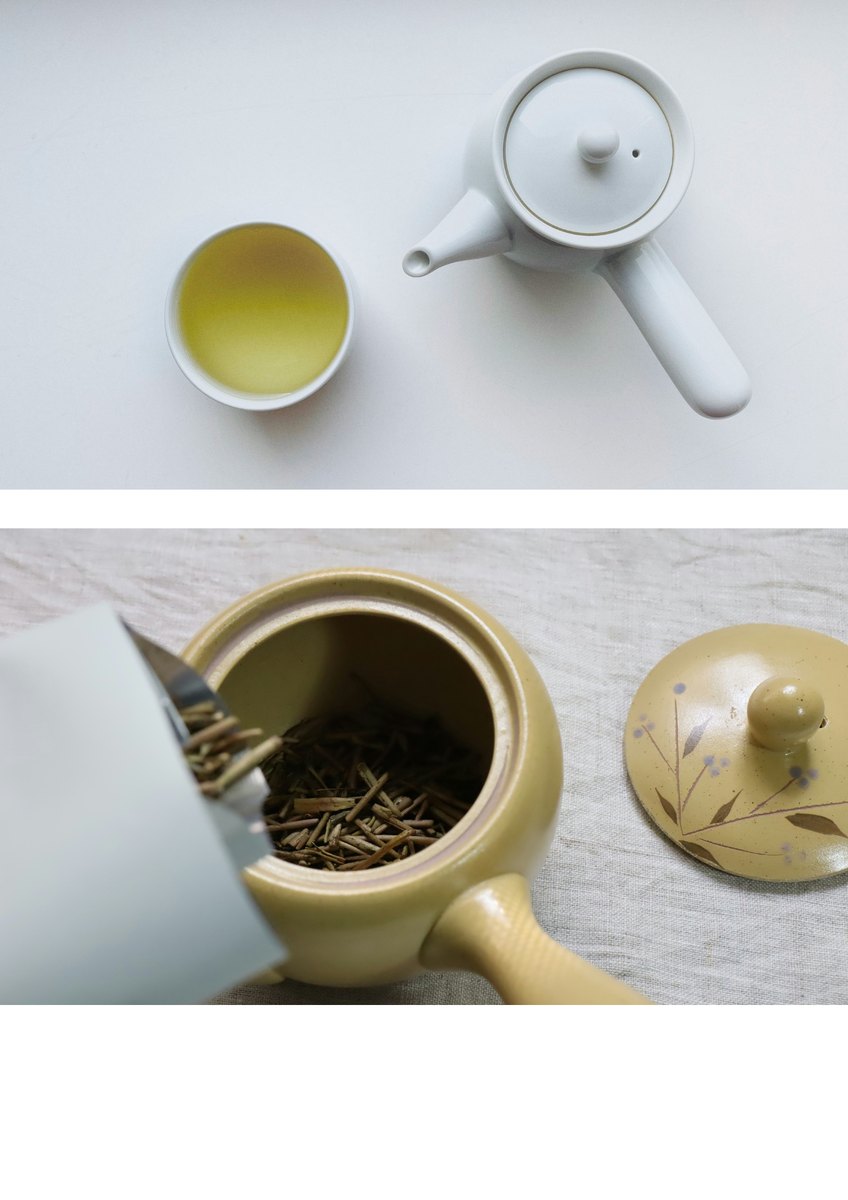
1. Boil fresh water, then cool it. Bring good water to the boil, then let it sit 2–3 minutes — or use the old trick: pour it into your cup, then into the empty pot, then over the leaves. Each transfer into a cool vessel drops the temperature by roughly 10°C, landing you near the right range without a thermometer. Tea people built temperature control into the ritual itself.
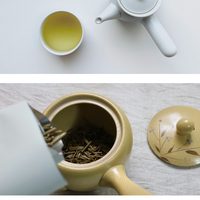
2. Add the leaves. About one teaspoon (2–3g) per 100ml. For a small pot serving two or three, two to three teaspoons. Don't skimp — a weak sencha doesn't taste elegant, it tastes hollow.
3. Pour and wait. Pour the cooled water over the leaves, put the lid on, and steep 60–90 seconds. Don't stir or swirl — let the leaves unfurl on their own.
4. Pour out every last drop. Serve slowly, and keep pouring until the pot is completely empty. The Japanese say the last drop is the most flavourful — and they're right. Just as important, water left sitting on the leaves keeps extracting, and turns your next infusion bitter.
5. Steep again. Good Japanese tea gives two or three infusions. For the second, the leaves are already open, so use slightly hotter water and a much shorter steep — sometimes just a few seconds. Each infusion reveals a different face of the leaf.
As an Amazon Associate, MAISON YUKI earns from qualifying purchases, at no extra cost to you.
Temperature & Time for Each Japanese Tea
Once you understand the dial, you can set it for any tea. Here's the quick reference.
| Tea | Water temp | First steep |
|---|---|---|
| Sencha (everyday) | 70–80°C | 60–90 sec |
| Fukamushi (deep-steamed) | 70–75°C | 30–45 sec |
| Gyokuro (fine, shaded) | 50–60°C | 90–120 sec |
| Hojicha (roasted) | 90–100°C | 30–60 sec |
| Genmaicha (with rice) | 80–90°C | 30–60 sec |
| Bocha (roasted stems) | 90–100°C | 30–60 sec |
The rule of thumb: the finer and greener the tea, the cooler the water. Roasted teas are forgiving and love near-boiling water.
Two things stand out. Gyokuro, the finest shaded tea, wants a remarkably low 50–60°C and a longer steep — that's what coaxes out its extraordinary, almost broth-like sweetness with no harshness. Use small cups; it's concentrated and meant to be sipped. And the roasted teas — hojicha, bocha — are the easy ones: near-boiling water is fine, no cooling needed. If you find green tea fussy, start there and work your way to the delicate stuff.
Why Is My Tea Bitter? A Quick Troubleshooter
Most brewing problems come down to a couple of causes. Find your symptom here.
Don't Forget the Water Itself
One thing most guides skip: the water is the tea. A cup is more than 99% water, so its quality matters enormously. Soft water — low in minerals — is ideal for Japanese green tea; it lets the delicate flavours come through cleanly. Very hard, mineral-heavy water flattens and dulls the taste. If your tap water tastes good to drink, it'll likely make good tea; if it's heavily chlorinated or very hard, a simple filter makes an audible difference in the cup. (This matters enough that I've written more about it elsewhere — water deserves its own attention.)
An Acupuncturist's Note: Brewing Changes More Than Flavour
Here's a perspective you won't find in other brewing guides, and it comes from my other training. In the East Asian medicine I practise, green tea is considered "cooling" in nature — not in temperature, but in its effect on the body. A little is wonderful for clearing heat; but for someone with a cold or delicate constitution, or on an empty stomach, too much cooling tea can sit uneasily — some people feel slightly queasy after strong green tea, and this is the traditional explanation.
What's fascinating is that how you brew can soften this. A gentler, cooler, shorter brew is milder on the body as well as the palate — lower in the harsh, astringent compounds that can unsettle a sensitive stomach. Serving the tea warm (not lukewarm) is kinder to digestion than an iced cup. And the roasted teas, hojicha and genmaicha, are warmer in nature and gentler still — which is exactly why they're the traditional choice for evenings and for anyone whose stomach finds straight green tea harsh. So when I tell you to cool your water and keep the steep short, I'm not only chasing sweetness — I'm brewing a cup that's kinder to the body. As always, this is the language of a long tradition rather than laboratory proof, but it has guided how people brew, and for whom, for a very long time.
Frequently Asked Questions
What temperature should I brew Japanese green tea at?
For everyday sencha, around 70–80°C — never boiling. Finer teas like gyokuro want cooler water, about 50–60°C, while roasted teas like hojicha are happy with near-boiling water. The rule of thumb: the finer and greener the tea, the cooler the water.
Why is my green tea bitter?
Almost always because the water was too hot, sometimes because it steeped too long. Hot water rapidly extracts bitter catechins and tannins. Cool the water to 70–80°C and keep the steep to 60–90 seconds, and the bitterness disappears.
How long should I steep Japanese green tea?
About 60–90 seconds for the first infusion of sencha. For the second infusion, the leaves are already open, so steep only briefly — sometimes just a few seconds. Deep-steamed (fukamushi) sencha needs less time, around 30–45 seconds.
Should I rinse Japanese green tea before brewing?
No — unlike some Chinese teas, Japanese green tea shouldn't be rinsed. The first infusion is the most flavourful one, full of umami and L-theanine. Rinsing it away simply throws out the best cup. The only exception is a cheap or stale tea with off notes.
How many times can I re-steep Japanese green tea?
Good sencha gives two to three infusions, sometimes more. Each is different: the first is most aromatic, the second often the sweetest and most balanced, the third lighter. Use slightly hotter water and shorter steeps as you go.
Do I need a thermometer?
Not at all. The traditional trick replaces it: pour your boiled water into a cup, then into the empty pot, then over the leaves. Each transfer cools the water by roughly 10°C, leaving it about right for sencha. A thermometer helps while you're learning the feel, but you'll soon stop needing one.
The Real Secret
If you remember nothing else: cool your water, and pour out every drop. Those two habits alone will transform your tea more than any expensive leaf could. Brewing Japanese tea well isn't about precision for its own sake — it's about paying a little attention, and being rewarded for it. That small act of care, repeated daily, becomes its own quiet pleasure. The perfect cup isn't difficult. It just asks you to slow down for ninety seconds.