If your green tea ever tastes harsh or bitter, it's almost never the tea's fault. It's the brewing. Sencha is a little particular — but in a good way, because the rules are simple and they always work. Master these and you'll get a sweet, fragrant, umami-rich cup every single time.
The Three Things That Matter
Forget everything complicated. Good sencha comes down to just three variables: water temperature, leaf-to-water ratio, and steeping time. Get these right and the rest takes care of itself.
1. Temperature — The Make-or-Break Step
This is the one that fixes 90% of bad green tea, so I'll say it plainly: do not use boiling water.
Boiling water (100°C) blasts the leaf and pulls out a flood of catechins — the compounds responsible for bitterness and astringency. What you want instead is 70–80°C (158–176°F). At that temperature, you draw out the sweetness and umami before the harsh notes take over.
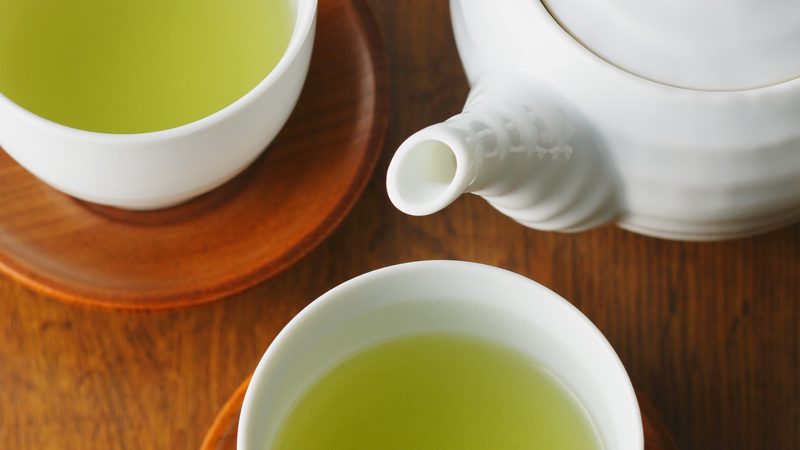
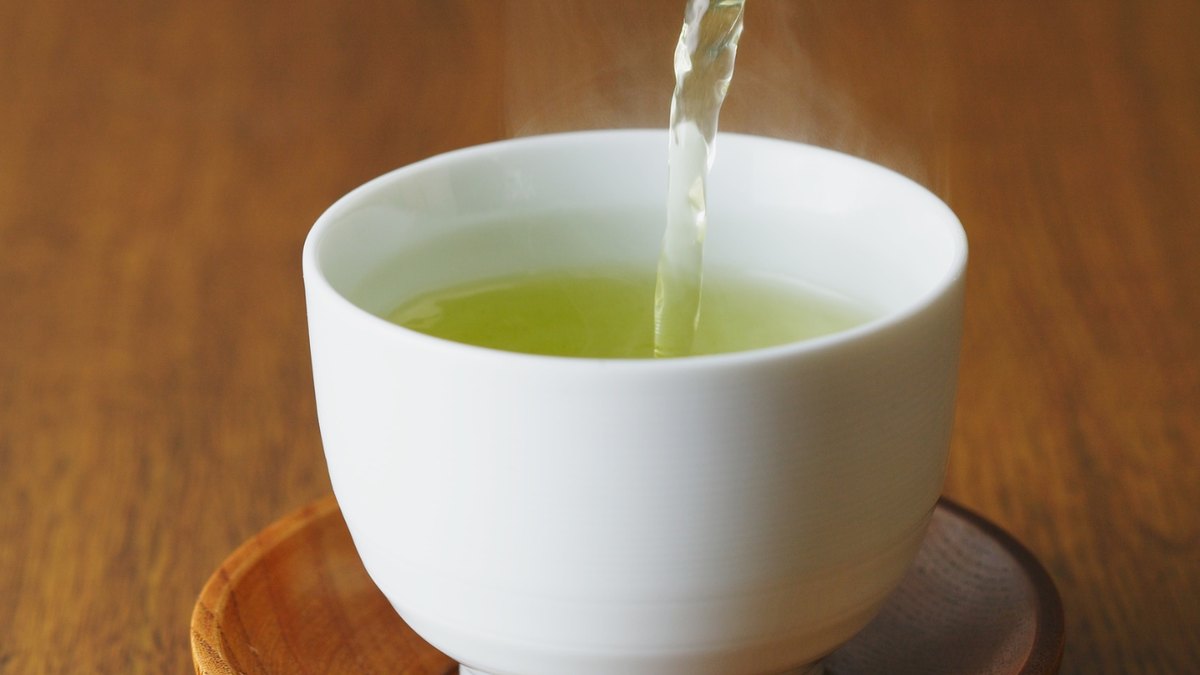
No thermometer? Use the classic Japanese trick: pour your just-boiled water into the teacups first, then tip it into the pot over the leaves. Each transfer into a cooler cup drops the temperature by roughly 10°C — and as a bonus, it measures the exact amount of water you need.
2. The Ratio
Use about 4–5 g of leaves (a generous tablespoon) per 200 ml of water. If you're brewing for two, double both — don't just stretch one small scoop across more water, or you'll get a thin, hollow cup. Keep the proportion honest and the tea tastes full.
If your brew comes out too strong or too weak but the flavour balance is nice, don't fiddle with time or temperature — just adjust the leaf amount up or down.
3. Time, and the First Infusion
Add your cooled water to the leaves, put the lid on, and let it steep undisturbed for about 60 seconds. Don't stir or swirl it — the leaves are already doing their work, and agitating them just adds bitterness. (If you have fukamushi, deep-steamed sencha, the leaves are broken smaller and release faster — cut it to around 45 seconds.)
Then pour. And here's the golden rule of Japanese tea: pour out every last drop. The final drops hold the most concentrated flavour — and leaving any liquid sitting on the leaves turns your next cup bitter.
In fact, that very last drop has a name. In Japan it's called the golden drop — the single richest, most flavourful drop in the whole pot. And here's a lovely detail: black tea drinkers in the West use exactly the same phrase for exactly the same reason. Across cultures and across continents, tea lovers agree the best is saved for last. So never leave it behind.
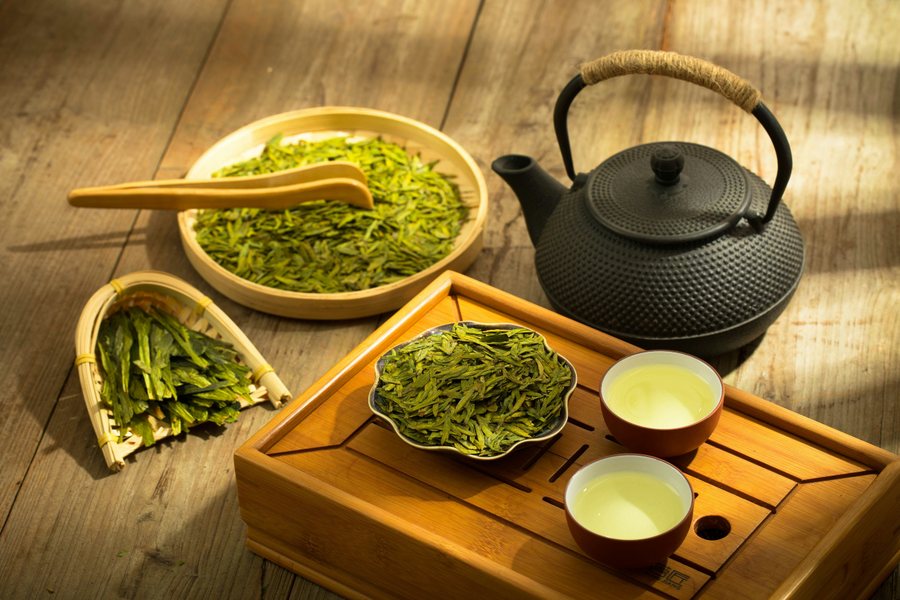
Pouring for two or more
Brewing several cups? Don't fill one completely, then the next. Pour a little into each cup in turn, then circle back — first cup, second, third, then reverse — topping them up gradually. This Japanese habit (sometimes called mawashizugi) keeps every cup the same strength, since the tea grows stronger as the pot empties.
As an Amazon Associate, MAISON YUKI earns from qualifying purchases, at no extra cost to you.
The Second and Third Cups (Don't Throw the Leaves Away!)
This is the part beginners miss — and it's where sencha really shines. Good Japanese green tea is built to be brewed two or three times, and each cup tastes a little different. Don't bin the leaves after one go.
For the second infusion, nudge the water a touch hotter and cut the time right down — about 30 seconds is plenty, because the opened leaves now release their flavour much faster. For the third, use hotter water again, near boiling, for around 30 seconds. Each steep pulls different compounds forward, so the same leaf moves from soft and sweet, to bright, to clean and light. One small pot, three quietly different cups.
My personal favourite is the second cup. The first is all sweetness and umami; by the second, a little astringency has joined in, and the balance is just right — full of flavour but soft on the palate. If the first infusion is rare and the third is well-done, the second is the medium-rare of sencha. That's the one I reach for. Which infusion will be yours?
One tip: after pouring the first cup, slide the lid slightly open. That stops the leaves from stewing in their own heat and keeps the next infusion fresh.
A Quick Recap
That's the whole craft: cool water around 70–80°C, a generous tablespoon of leaf per cup, 60 seconds, and pour every drop. Cooler and longer for sweetness; hotter and shorter for a brisk cup. Re-brew two or three times. There's room to play once you've got the basics — sencha rewards a little curiosity — but those few rules will already put a beautiful cup in your hands.