A teapot seems like it should be the simplest thing in the world to buy. Then you discover Japanese tea has several kinds, each with its own name and job, and suddenly you're second-guessing everything. Don't worry — for most people, the decision is genuinely easy. Let's walk through it.
Start Here: The Yokode Kyusu
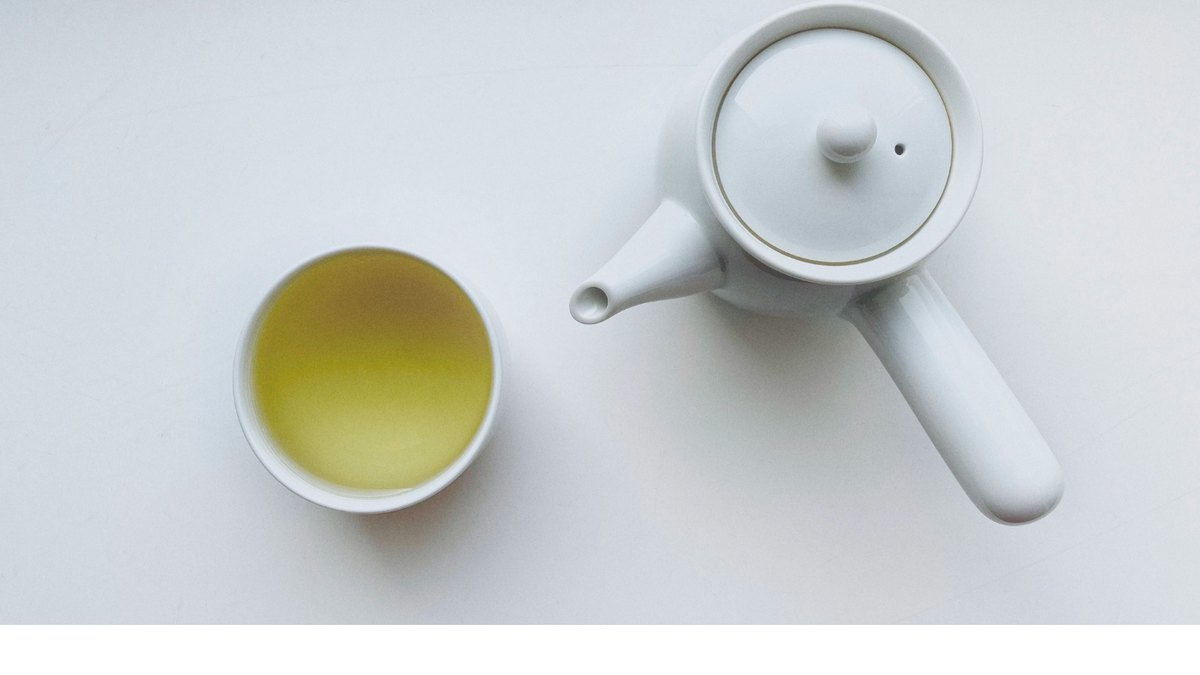
If you buy one teapot, make it a yokode kyusu — a teapot with a side handle. It's the most versatile and the most beginner-friendly, full stop.
Why the side handle? Because it lets you pour with a simple twist of the wrist — quicker and easier than the big arm movements a top- or back-handled pot needs. And it keeps your hand clear of the hot body, so you won't burn your fingers even with hotter water. That versatility means one kyusu can handle sencha, hojicha, kukicha, bancha — pretty much everything. For your first pot, this is the one.
The Filter Matters More Than You'd Think
Most kyusu have a built-in strainer at the spout to hold the leaves back. They come in two materials, and it's worth knowing the difference.
Ceramic filters are what we'd generally point you toward. Steel mesh is cheaper and has finer holes, but over time the steel can rust and add an off taste to your tea. Ceramic stays neutral.
Among ceramic filters, the newer sasame (ceramesh) style — lots of tiny holes spread across the inner wall — is the most popular for a reason: it strains well and pours smoothly. Whatever the style, smaller holes are better: they let the leaves spread out fully inside the pot, which is where good flavour comes from.
Clay or Glazed Ceramic?
You'll see two broad types of finish, and the choice is really about how much fuss you want.
Unglazed clay (like the famous reddish Tokoname ware) slowly absorbs the "memory" of the tea. Over time it deepens in colour and develops a soft sheen — a good sign that it's settling into use. But it needs care, and you should only ever brew, never scrub it with detergent.
Glazed ceramic is easier all round: simpler to clean, neutral across different teas, and far more forgiving in a busy kitchen. If you're nervous, start glazed. You can always graduate to a seasoned clay pot later.
As an Amazon Associate, MAISON YUKI earns from qualifying purchases, at no extra cost to you.
When You Get Serious: Houhin & Shiboridashi
Two more pots are worth knowing — though neither is a first purchase.
The houhin is a kyusu with no handle, used mainly for gyokuro and very high-grade sencha. It doesn't need a handle because those teas are brewed at low temperatures (around 50–60°C), so there's nothing hot to burn you.
The shiboridashi is a flat, handle-less pot with a tiny capacity — built to make small, intensely concentrated cups of gyokuro. You lay a blanket of leaves across the bottom, drizzle a little cool water on top, and squeeze out a thick, umami-rich brew. It's a specialist's tool, and a joy once you're ready for it.
The Honest Recommendation
For 90% of people, the answer is one pot: a glazed side-handle kyusu, 200–350 ml, with a fine ceramic filter. It'll brew almost any Japanese tea beautifully, and it's hard to outgrow.
Treat it as a working tool, not a fragile ornament — and it'll get better the more you use it. The best kyusu is the one that quietly disappears into the simple act of making tea.
One Last Thing — How to Drink It
And once it's poured? Relax. There's no strict etiquette to worry about here.
Cup the teacup in both hands and feel the warmth spread into your palms. Breathe the aroma in, just once. Then take a slow, quiet sip — and let yourself notice it. That's all there is to it. Japanese tea isn't something to rush through on the way to something else. It's a small, deliberate reason to pause. Choosing a good kyusu matters far less than giving yourself that one calm minute to enjoy what it pours.