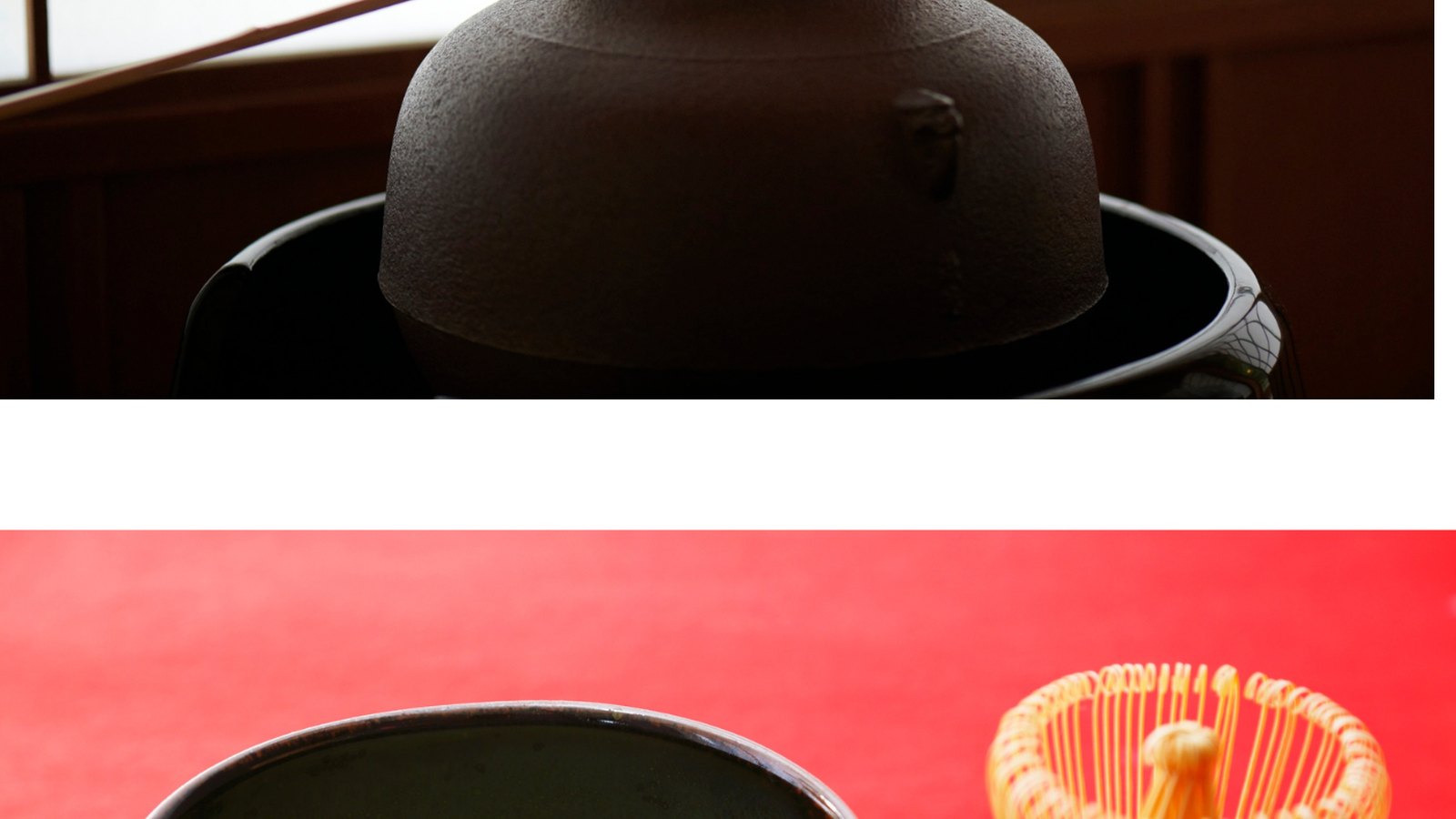
Let me answer the headline plainly, then earn it: yes, matcha is good for you — a nutrient-dense green tea with real, research-backed benefits. But it's not a miracle, and the wildest claims you've seen are mostly marketing. The truth is more modest, and more trustworthy. Let's walk through it carefully, because this is exactly the kind of health topic where honesty matters most.
Why Matcha Is Different From Ordinary Green Tea
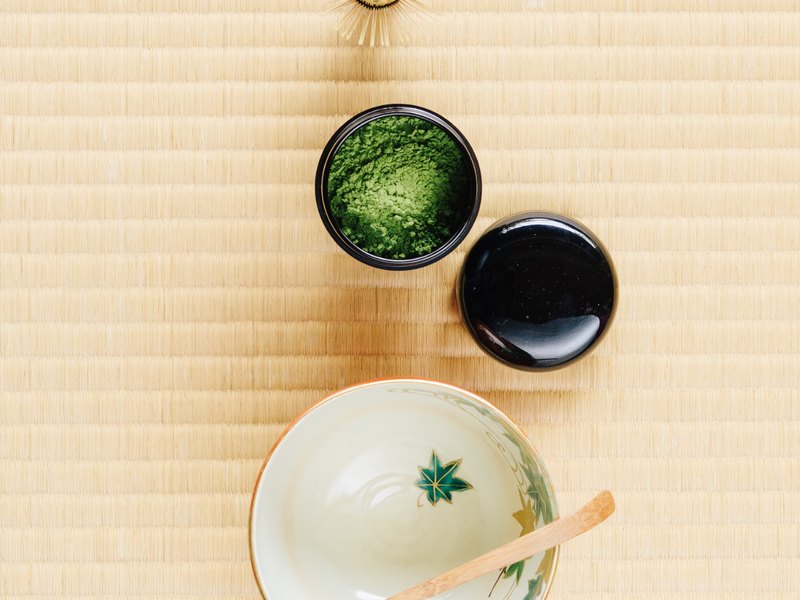
The key to everything is one fact: with matcha, you drink the whole leaf. Ordinary green tea is steeped and the leaves thrown away, so you get only what dissolves into the water. Matcha is the whole leaf — shade-grown, stone-ground to powder, and whisked into the cup. You consume all of it. That's why matcha is more concentrated than brewed green tea in the three things that matter for health: antioxidants (catechins, especially EGCG), the calming amino acid L-theanine, and caffeine. Hold onto that idea of "the whole leaf" — it matters again later, in a way you won't expect.
The "137 Times More Antioxidants" Myth
Let's deal with the most-repeated claim head-on, because it's a perfect example of why honesty matters. You'll see it everywhere: matcha has "137 times the antioxidants of regular green tea." That figure comes from a single 2003 study that compared one matcha to one specific brand of bagged green tea — it was never meant to be a universal fact, and repeating it as one is misleading.
Here's the honest version: matcha does contain significantly more antioxidants than standard brewed green tea, because you consume the whole leaf rather than an extraction of it. That's genuinely true and genuinely good. But the exact multiple depends entirely on the product and how you prepare it. "More antioxidants, because you drink the whole leaf" is the claim you can trust. "137 times" is a number to forget.
What the Evidence Actually Supports
So what does matcha really do? Here is what research reasonably supports, graded honestly by how strong the evidence is.
Antioxidants (strong). Matcha is rich in catechins, a family of antioxidants, the most studied being EGCG — in matcha, catechins make up around 90% of the polyphenols. Antioxidants help protect your cells from oxidative stress, the everyday wear linked to inflammation and ageing. This is matcha's best-established strength.
Calm, focused energy (strong). This is the one I find most remarkable. Matcha contains L-theanine, an amino acid that promotes relaxed alertness, and shade-growing concentrates it. Paired with caffeine, it produces focus without the jitters or crash of coffee — a "calm alertness" repeatedly borne out in studies on attention and reaction time.
Heart and brain (promising). Reviews link regular green tea and matcha with better cardiovascular health — improved cholesterol, healthy blood pressure. For the brain, a 12-month study found 2g of matcha daily improved aspects of cognition and sleep quality in older adults with mild cognitive decline. Promising — though one study is a signpost, not a conclusion.
What's Overblown
Honesty cuts both ways, so here's what the breathless articles tend to overstate. Claims that matcha "burns fat," "detoxes," or "prevents cancer" run far ahead of the evidence. Some early lab and animal studies on EGCG and cancer cells are genuinely interesting, but test-tube and animal findings are not proof that drinking matcha will do these things for you. Treat them as unproven. Matcha is a wholesome daily drink — not a treatment for any disease.
How to Drink Matcha Safely
This is the part most "benefits" lists skip, and it's the part I most want you to have. Matcha is safe and healthy for most people — but a few honest cautions matter.
Caffeine. Because you drink the whole leaf, matcha is fairly high in caffeine — roughly an espresso's worth per bowl. Lovely for most, but worth watching if you're sensitive, pregnant, or drinking it late in the day.
Moderation and the liver. Very high intakes of concentrated catechins have been linked, rarely, to liver issues — almost always from high-dose green tea extract supplements, not a normal cup. Research suggests around 338mg of EGCG/catechins a day is a sensible ceiling, roughly the amount in 4g (about 2 teaspoons) of matcha. A daily bowl or two is comfortably fine for most people; the pill form is where caution belongs.
Quality and contaminants. Because you consume the whole leaf, what's in that leaf matters — including any pesticides or contaminants from the soil. This is a real reason to choose good, ideally organic, matcha from a trusted source. With matcha, quality isn't snobbery; it's part of the health.
Medications. Green tea can interact with some medicines (the statin atorvastatin is one documented example). If you take regular medication, a quick word with your doctor is wise.
An Acupuncturist's View: Drinking the Whole Leaf, Calming the Spirit
Now the lens almost no other matcha article can offer — the one from my own training. It reframes matcha beautifully.
Remember "you drink the whole leaf"? In East Asian medicine, that idea runs deep. Steeped green tea gives you an extraction — a part. Matcha gives you the entire leaf, and with it, in the language of my tradition, the leaf's whole qi — its complete vital essence, nothing left in the pot, nothing discarded. There's a quiet completeness to matcha that the tradition appreciates: you receive all of what the plant made.
There's even a name for this principle in Japanese food philosophy: ichibutsu zentai (一物全体), "one thing, whole." It's a root idea in macrobiotics and traditional dietary thinking — that a food's life and goodness live throughout the whole of it (skin, leaf, root, and all), in a natural balance, so the most nourishing way to eat something is to eat it complete rather than in stripped-down parts. Most tea takes only what water can pull from the leaf and throws the rest away. Matcha is the rare tea that honours ichibutsu zentai — you take in the whole leaf, exactly as it grew. Among all the ways to drink tea, matcha is the most "whole."
Matcha is understood, like green tea, as gently cooling in nature — clearing excess heat, easing the kind of restless, overheated state we'd now call inflammation or agitation. But its most treasured action is on the Shen (神) — the mind and spirit. Matcha is said to calm the Shen: to settle anxiety and restlessness and bring a clear, peaceful alertness. Notice how exactly this mirrors the Western finding about L-theanine and "calm focus" — two languages, arriving at the same truth from opposite directions. The shade-growing that science says concentrates L-theanine is, in the older language, what deepens matcha's power to settle the spirit.
This reverence is old. When the Zen monk Eisai brought powdered tea to Japan around 1191, he wrote the country's first book on tea — the Kissa Yōjōki (1211), "Drinking Tea for Health" — and opened it by calling tea "the elixir of the immortals, the secret of long life." He framed tea as medicine for the five organs, and he made one observation I find striking even today: the Japanese diet, he said, was rich in sweet, salty, sour and pungent flavours but almost entirely lacking in bitterness — the taste that, in this tradition, nourishes the heart. Tea was the missing bitter medicine the heart needed. Eight centuries later, with our diets heavier than ever in sweet and salty, that insight feels less like history and more like a diagnosis of the present. A little wholesome bitterness, taken mindfully, may be exactly what a sweet-and-salty modern life is missing.
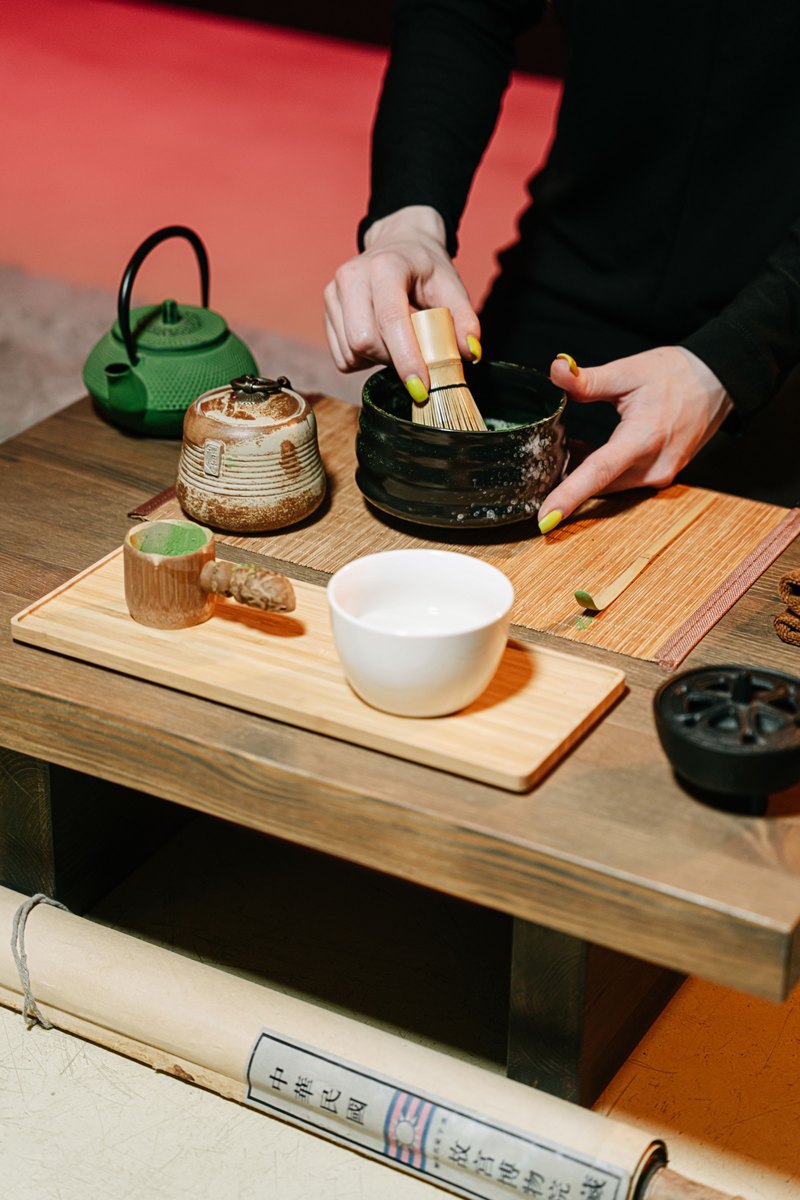
And there's the part no laboratory measures: the making of it. Whisking a bowl of matcha — the warmth, the green, the few unhurried moments of full attention — is itself a calming of the Shen. The ritual is not separate from the benefit; it is part of it. This is why matcha sits at the heart of the Japanese tea ceremony, whose spirit is stillness and presence.
When I whisk a bowl of matcha, I'm not thinking about EGCG or milligrams. I'm thinking that for ninety seconds my whole attention is on one small green thing — the powder, the water, the froth rising. In my work I see how starved most people are of exactly that: a moment of undivided presence. That, to me, is matcha's deepest benefit, and the one no study will ever capture. The antioxidants are real and welcome. But the stillness is the medicine I'd prescribe first.
So, Should You Drink It?
My honest answer: yes — if you enjoy it. Matcha is a genuinely healthy daily habit, with real benefits for focus, steady energy, and long-term wellbeing — and, drunk well, a small daily act of calm. Just hold it in proportion. It won't undo a poor diet or replace medicine, and it doesn't need to. The point of a good bowl of matcha isn't to chase a list of superpowers. It's to give your body something clean and nourishing, and your day a moment of stillness. That, by itself, is good for you — and it happens to be true.
Frequently Asked Questions
Is matcha actually good for you?
Yes — it's a nutrient-dense green tea with real benefits: a concentrated dose of antioxidants, calm focused energy from L-theanine plus caffeine, and promising support for heart and brain health over time. The benefits are gentle and build with regular drinking. It's a healthy habit, not a miracle cure.
Does matcha really have 137 times the antioxidants of green tea?
No — that figure comes from a single 2003 study comparing one matcha to one brand of bagged tea, and shouldn't be treated as fact. What's true is that matcha has more antioxidants than brewed green tea because you consume the whole leaf rather than an extraction. The exact amount varies by product.
How much matcha is safe to drink per day?
For most people, one to two bowls a day is comfortably safe. Research suggests around 338mg of catechins/EGCG daily — roughly 4g, or 2 teaspoons, of matcha — as a sensible ceiling. Rare liver concerns come almost entirely from high-dose extract supplements, not from drinking matcha. Watch the caffeine if you're sensitive or pregnant.
Does matcha help you lose weight or detox?
Not meaningfully. Some early studies hint at a small metabolic effect, but "fat-burning" and "detox" claims run well ahead of the evidence — treat them as unproven. Matcha can support a healthy lifestyle, mainly by replacing sugary drinks, but it's not a weight-loss shortcut.
Why has matcha been valued in Japan for so long?
Matcha arrived with the Zen monk Eisai around 1191, who wrote Japan's first tea book, the Kissa Yōjōki (1211), calling tea an "elixir of long life" and a medicine for the five organs — especially the heart. He noted the Japanese diet lacked bitterness, the flavour traditionally said to nourish the heart, and saw tea as the missing medicine. Matcha also embodies the principle of ichibutsu zentai ("whole food") — you drink the entire leaf, not just an extraction.