Tea isn't just for sipping from a cup. In Japan it slips into lattes, cookies, cocktails — and the leftover leaves get a whole second life instead of going in the bin.
Here are seven easy ways to use Japanese tea at home, running from the familiar to the genuinely surprising. Most take minutes. None need any special skill. And honestly, the last two might be the best part. Let's go.
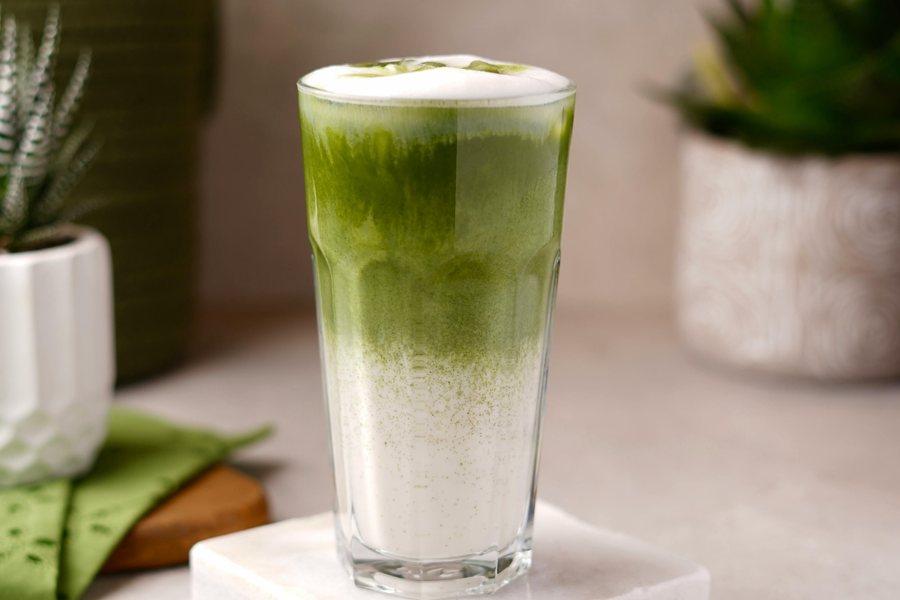
1. Matcha Latte
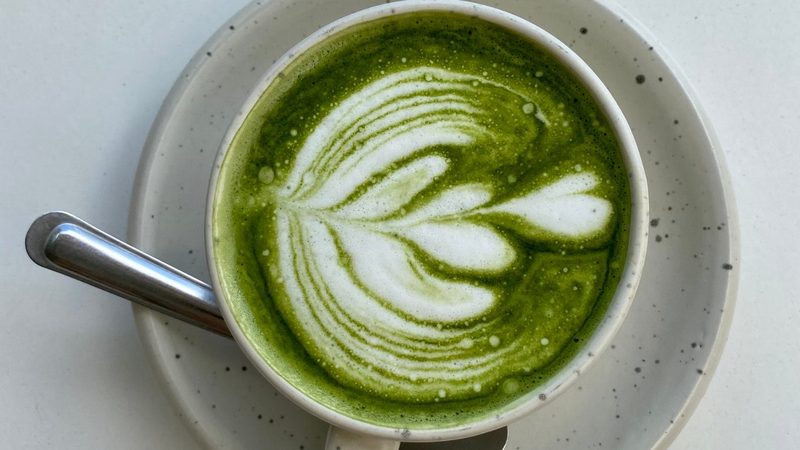
The one everyone starts with — and when you make it yourself, it's creamier, less sweet, and a fraction of the café price. The secret most people miss? Sift your matcha first. It clumps the second hot water hits it, and nobody wants a lumpy latte.
You'll need: 1.5 tsp matcha, a splash of hot water (around 80°C), ¾ cup milk (dairy or plant), optional honey or maple.
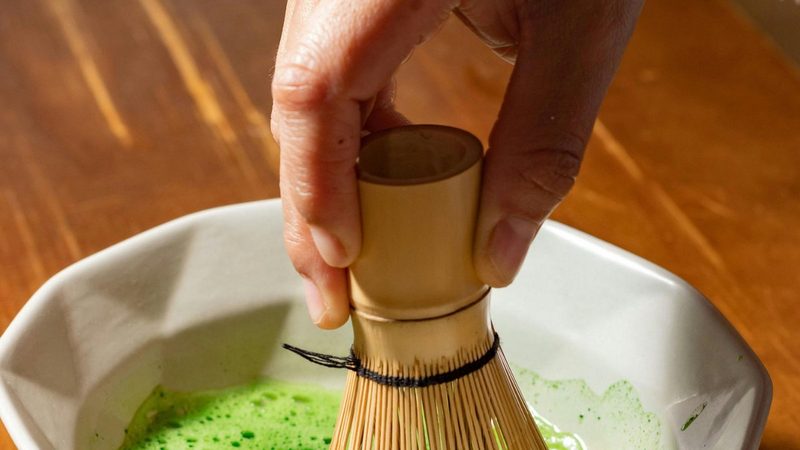
Do this: Sift the matcha into your mug. Add a little hot water and whisk in an up-and-down zig-zag (not circles — that's the trick to foam) until smooth. Froth your warm milk, pour it over, sweeten if you like. Done.
2. Matcha Cookies
Earthy, buttery, and that unmistakable green. They keep well and make a lovely gift.
You'll need: your usual shortbread dough, plus 1–2 tbsp matcha sifted into the flour.
Do this: Mix, chill the dough, slice, and bake until just set. Don't let them brown — that dulls both the colour and the flavour.
3. Matcha Affogato
The simplest showstopper on this list. Hot matcha poured over cold vanilla ice cream — sweet, bitter, hot, cold, all in one spoon. It looks impressive and takes about a minute.
You'll need: a scoop of good vanilla ice cream, 1 tsp matcha whisked with a little hot water.
Do this: Pour the hot matcha over the ice cream right at the table. Eat immediately, before it melts.
Yuki's tip: make the matcha a little stronger than usual here. The cold sweet ice cream softens it, so a bolder, more concentrated matcha tastes better against it. Play with it and find your own perfect strength.
4. Cold-Brew Green Tea
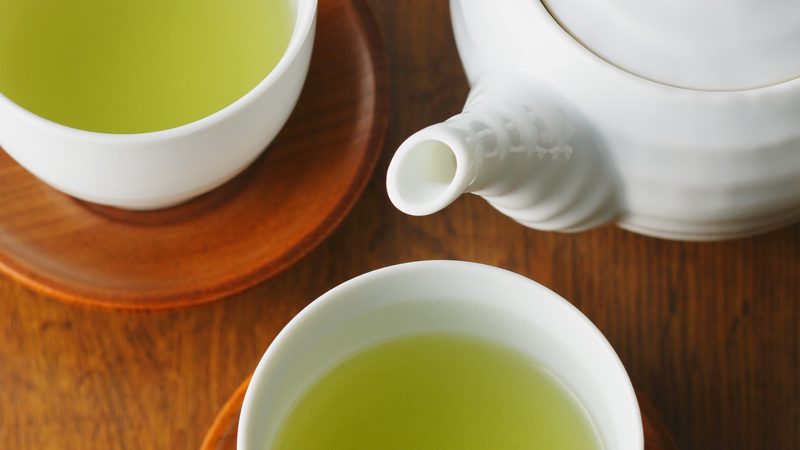
Want sweet, mellow green tea with basically zero bitterness? Skip the hot water entirely. Cold brewing is almost impossible to mess up, and it's perfect for summer.
You'll need: 2 tbsp sencha leaves, 1 litre cold water, a jug.
Do this: Combine, pop it in the fridge overnight (or at least 3 hours), then strain. That's it. Cold water pulls out the sweetness and leaves the bitterness behind.
5. Green Tea Highball
A light, clean Japanese-style cocktail — ryokucha-hai, the green tea highball. Refreshing, low in sugar, and dead simple.
You'll need: chilled strong green tea, your spirit of choice (shochu is traditional), ice, a squeeze of lemon.
Do this: Build it over ice, stir once, serve. Play with the tea-to-spirit ratio until it's yours.
6. Tea-Leaf Furikake
Now it gets interesting. Don't throw out the leaves after brewing — those wet, used leaves are still full of flavour, and in Japan that's not waste, it's an ingredient.
You'll need: used (brewed) green tea leaves, soy sauce, mirin, a little sesame.
Do this: Simmer the leaves briefly with soy sauce and mirin until glossy, then stir through sesame. Spoon it over hot rice. A savoury little topping made from what you'd usually bin.
Yuki's tip: if your leaves are large, chop them finely first. Smaller pieces sit better on the rice and soak up more of the soy and mirin — it genuinely tastes better.
7. Tea-Leaf Genovese
The most surprising one — used green tea leaves standing in for part of the basil in a pesto-style sauce. Herby, nutty, and a deep, unexpected green.
You'll need: used green tea leaves, basil, garlic, nuts, parmesan, olive oil.
Do this: Blend it all like a classic pesto, letting the soft brewed leaves deepen the colour and add a gentle tea note. Toss it through warm pasta.
Where to Start
New to all this? Begin with the matcha latte or the cold brew — both are nearly impossible to get wrong. Save the tea-leaf pesto for a day you want to genuinely surprise someone at dinner.
Whichever you try, here's a promise: you'll never look at a spent pot of tea leaves the same way again.