Walk into a tea shop to buy your first matcha set and it's instantly overwhelming. Bowls in a dozen sizes. Whisks with wildly different prices. Words you've never heard. It's easy to either overspend or freeze up entirely.
So let's cut through it. You really only need two things to make matcha — a bowl and a whisk — and here's exactly what to look for in each, what's worth paying for, and what you can happily ignore as a beginner.
→ A bowl and whisk are matcha-only tools. For where they sit alongside the pot, the cup and the kettle, see the guide to Japanese tea ware and what to buy in what order.
The Bowl: Chawan
The chawan is the matcha bowl. It's wider and more open than a normal cup, which gives you room to actually whisk. You'll hold it, look at it, and drink from it every single time — so of the three tools, this is the one that matters most to get right.
What to actually look for
A wide, roomy base. Whisking needs space and speed to build foam, and a cramped base makes that genuinely hard. Go wide.
A rounded bottom — this is the one beginners miss. Here's why it matters: if the inner walls meet the base at a sharp angle, your whisk slams into them as you work, and the delicate bamboo prongs snap off far sooner. A gently rounded bottom lets the whisk sweep cleanly and protects it. This one detail will make your whisk last much longer.
A smooth inner surface. Skip bowls with a rough or bumpy interior — the whisk bristles catch on the bumps and you'll struggle to mix the matcha smoothly.
The Whisk: Chasen
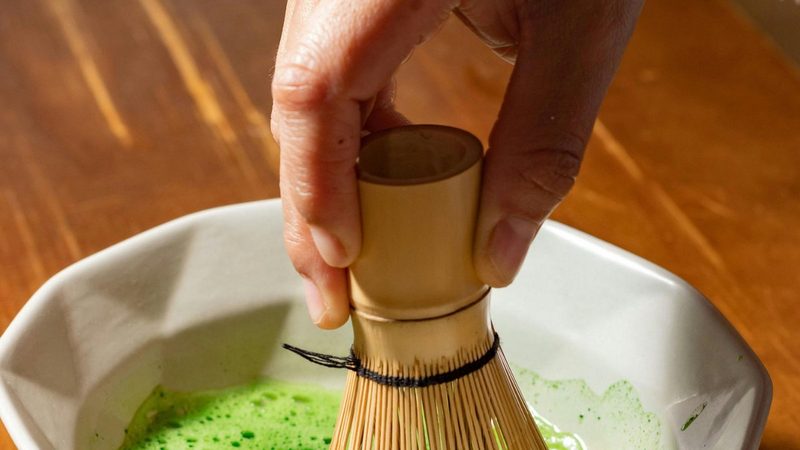
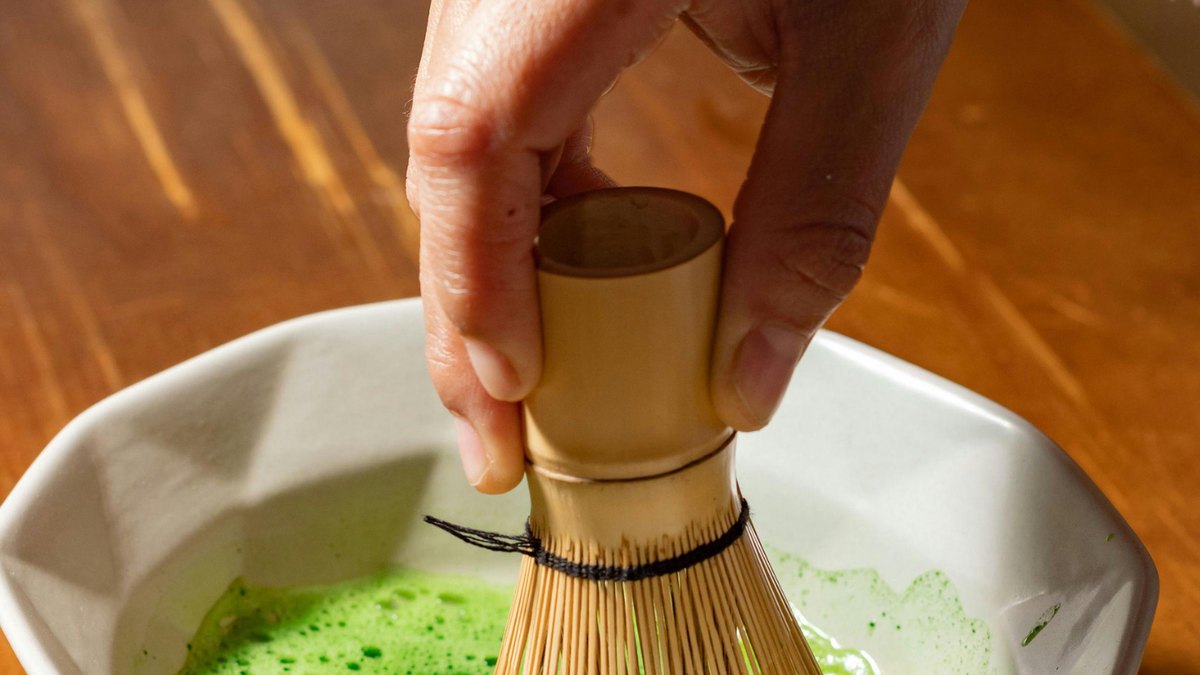
The chasen is the bamboo whisk, hand-carved from a single piece of bamboo into dozens of fine prongs. It does the real work — breaking up clumps and whipping air into the tea to build that signature creamy froth. No assembly, no metal: one piece of bamboo, start to finish.
How many prongs? (The big question)
Whisks range from about 16 prongs to over 120, and people agonise over this. Here's the honest breakdown:
80 prongs — the sweet spot for beginners. Sturdy, forgiving, and built for daily use. 100 prongs — the popular all-rounder, a little finer froth. 120 prongs — the finest, silkiest foam, but the thin prongs are fragile and break easily.
It's tempting to reach for 120 thinking "more is better." Don't, not yet. As one daily drinker put it: their 80-prong whisk survived six months of daily use, while the 120-prong lasted three weeks. For your first whisk, go with 80. Sturdy beats fancy when you're learning.
And whatever you pick: always soak the prongs in warm water for a minute before using. A dry chasen is a brittle chasen — wet prongs flex instead of snapping.
The Scoop: Chashaku
The chashaku is a slim bamboo scoop for measuring matcha. Honest truth? It's the least essential of the three — a regular measuring spoon does the same job (about 2g, or roughly half a teaspoon, per bowl). But it's cheap, beautiful, and measures a serving in the traditional way. A nice thing to add, not a thing to lose sleep over.
What About a Whisk Stand?
A kusenaoshi is a little ceramic stand that holds the wet whisk in shape as it dries, helping it last longer. Genuinely useful once you're whisking often — but not essential on day one. If you don't have one, just dry your chasen lying on its side on a clean towel, or standing with the prongs up. (And never, ever use soap or a dishwasher on it — that's the fastest way to ruin good bamboo.)
The Honest Recommendation
Want the simplest path? Buy a starter set — a wide rounded bowl, an 80-prong whisk, and a scoop. It's usually cheaper than buying the pieces separately and guarantees they work together.
Then upgrade individual pieces later, once you actually know your own taste. Buy once, buy well: good tea ware ages beautifully and can genuinely last for decades.