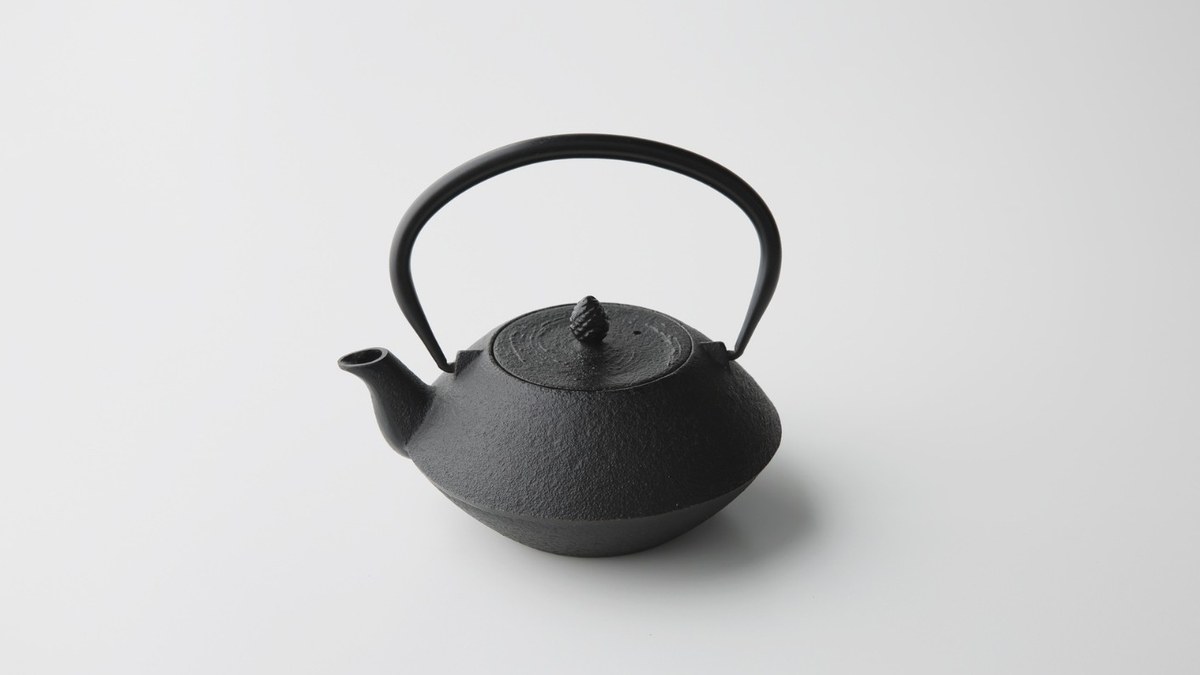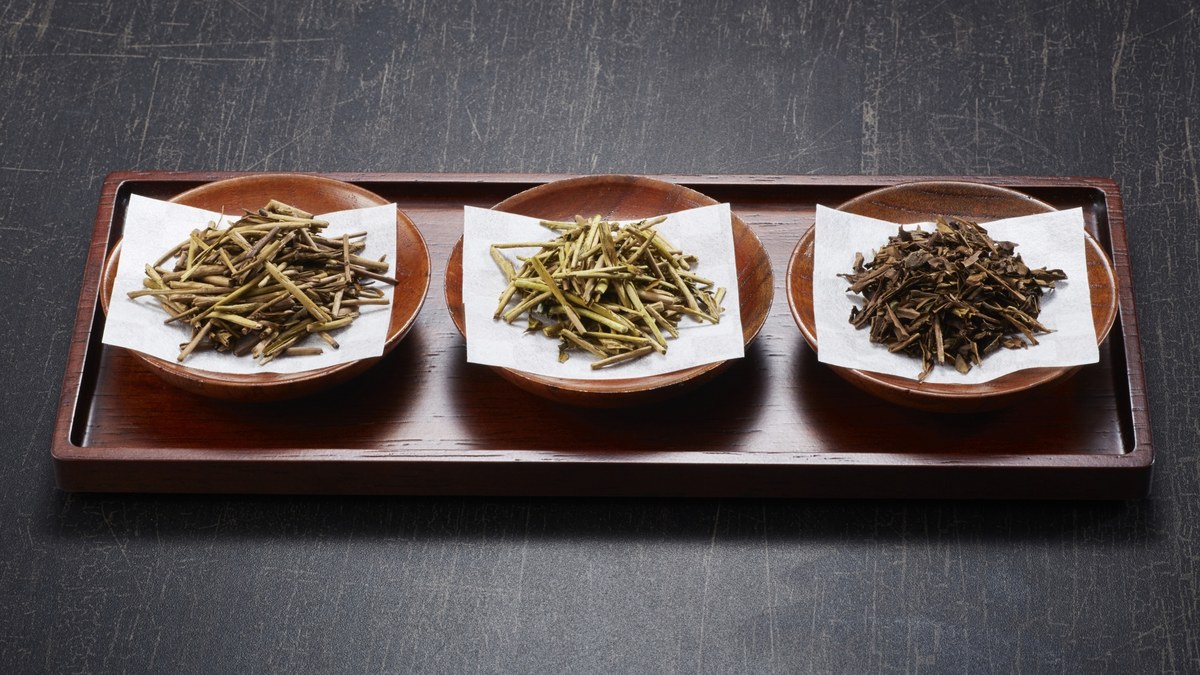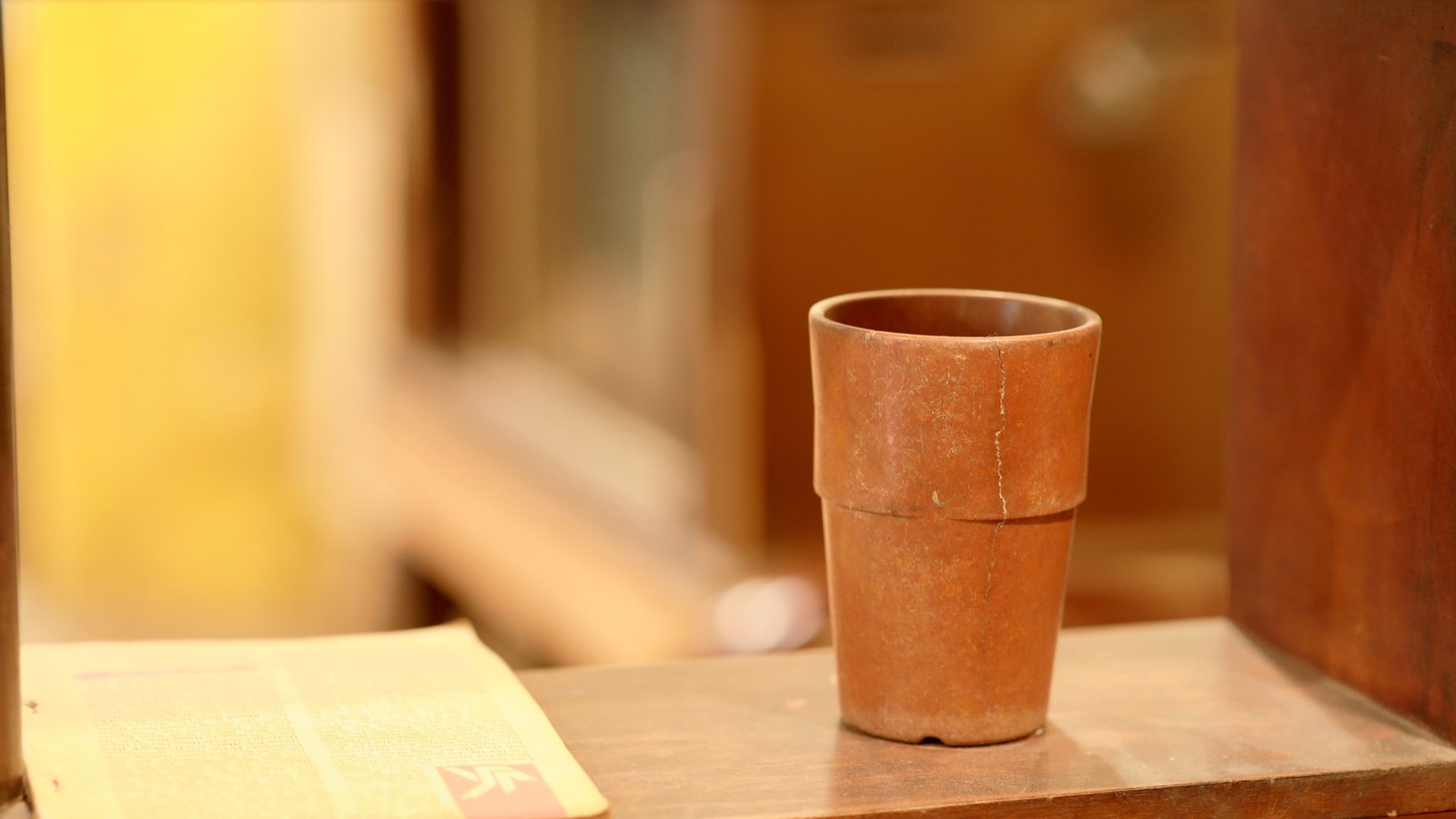
Most pottery hides its clay. A coat of glaze goes on, then colour, then a pattern, and the earth underneath disappears. Bizen ware does the opposite. It wears nothing at all. What you hold is the bare clay itself, hardened in a wood-fired kiln for days, marked only by where the flame and ash happened to touch it. No two pieces come out the same — because no two pieces meet the fire the same way.
That honesty is the whole point. And it's why, four hundred years ago, the great tea masters fell in love with it — and why I, growing up near where it's made, never tire of it.
One of Japan's Six Ancient Kilns
Bizen ware — Bizen-yaki (備前焼) — is made in and around Bizen City, in Okayama Prefecture, where I'm from. It's one of the Six Ancient Kilns, the six pottery regions whose kilns have fired continuously since medieval Japan, alongside Seto, Tokoname, Shigaraki, Tanba and Echizen. Bizen's history runs back over eight hundred years, to the Heian period. People here were shaping this same iron-rich clay into jars and bowls before much of the world had heard of Japan at all.
For centuries it was simply the everyday ware — storage jars, mortars, water vessels — prized for one quiet virtue: it was tough. Bizen clay, fired hard and unglazed, makes pottery that lasts. There's an old local saying that a Bizen pot won't break even if you throw it. An exaggeration, of course — but it tells you what people valued in it.
The Beauty the Tea Masters Saw
Then came the age of tea. In the 16th century, as the way of tea took shape, the masters defining it — Murata Jukō, Takeno Jōō, and above all Sen no Rikyū (1522–1591) — were looking for something. Not the gleaming, perfect, imported wares that signalled wealth, but the opposite: the plain, the rustic, the imperfect. The beauty that doesn't show off.
This is the heart of wabi-sabi — finding beauty in simplicity, in age, in the imperfect and the unrepeatable. And in Bizen ware, with its rough surface and earthy red-brown skin, Rikyū found it exactly. He used Bizen pieces in his tea gatherings, and that single fact lifted this humble regional pottery into the most refined rooms in Japan. To this day, serious practitioners of tea treasure Bizen bowls and vessels.
The Art of Earth and Fire
Here's what makes every Bizen piece unrepeatable. The pottery is fired in an anagama or noborigama — a tunnel or climbing kiln built into a hillside — and the fire is kept burning continuously for ten to fourteen days, at around 1,300°C, fuelled entirely by pine wood. Over those days, flame, smoke and falling ash move through the kiln and settle on the pieces in ways no potter can fully control. The result is decided as much by the fire as by the hand.
The marks the fire leaves even have names. Goma (胡麻, "sesame") is the dusting that appears where wood ash melted onto the surface like scattered seeds. Hidasuki (緋襷) are the reddish-brown streaks left where rice straw was wrapped around the piece before firing. Hi-iro (緋色, "flame-flash") is the orange-red blush where the flame licked the clay directly. Each one is an accident the potter invited but could not command — a collaboration between human hands and the kiln's own will. It's why Bizen is called "the art of earth and fire," and why so few pieces survive: of every ten loaded into the kiln, often only about three emerge perfect.
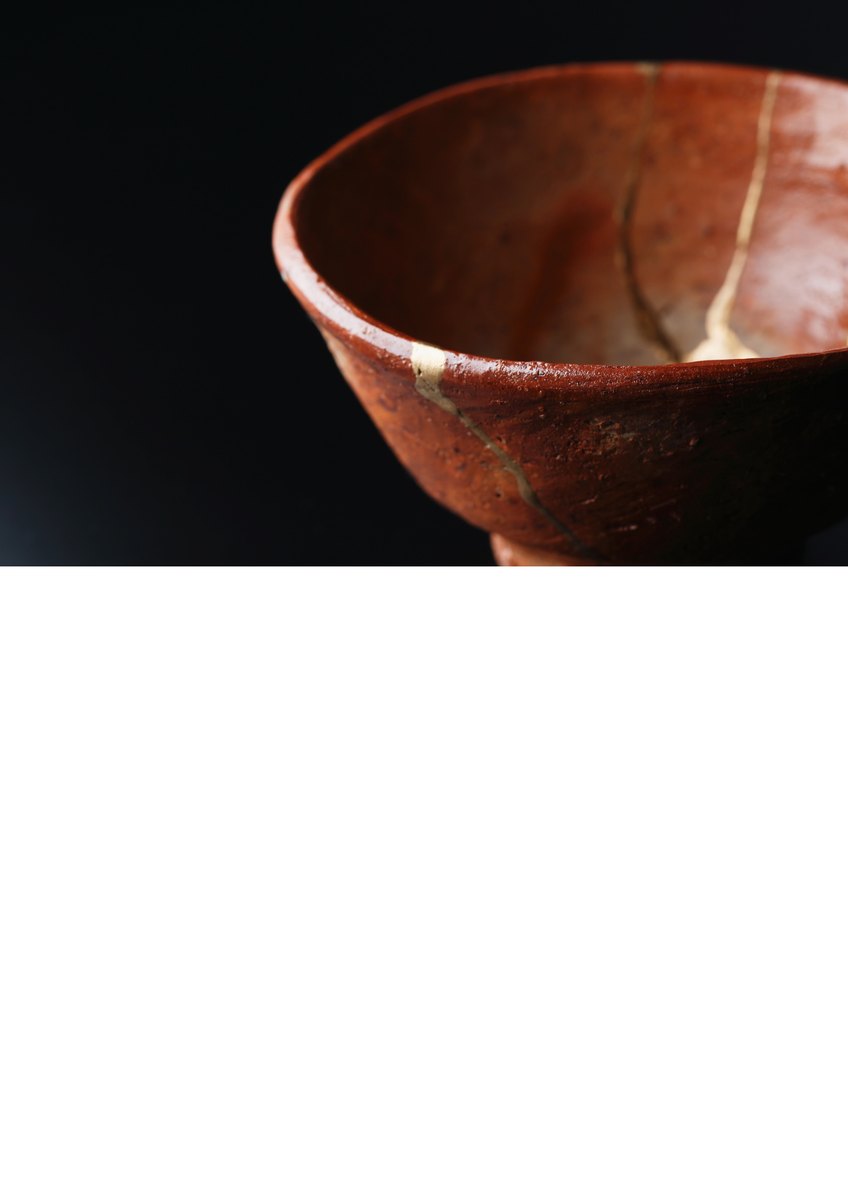
As an Amazon Associate, MAISON YUKI earns from qualifying purchases, at no extra cost to you.
Does It Really Change the Tea?
Here I want to be honest with you, because there's a lot of romantic exaggeration around this pottery, and I'd rather you trust me.
You'll often hear that a Bizen cup "keeps tea warmer" than other pottery. That one is largely folk belief — how long a cup holds heat depends mostly on the thickness of its walls, not on the type of clay. I won't tell you otherwise just because it sounds poetic.
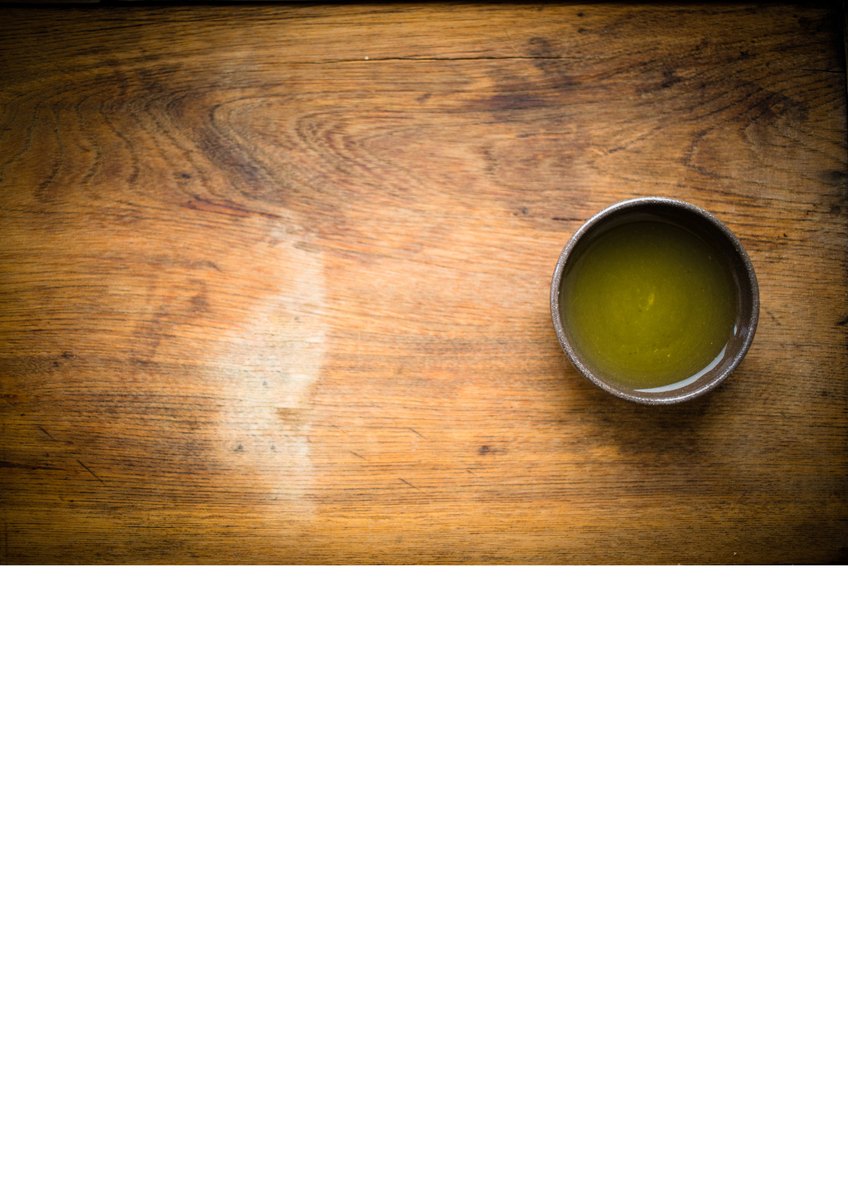
But here's what is real. Bizen's clay, fired unglazed, stays very slightly porous. Over time, with use, that surface drinks in faint traces of tea and seasons — much as an unglazed clay teapot does. Many drinkers find this rounds and softens the brew, taking the edge off, and some keep one cup for a single type of tea so its character settles in. And the cup itself changes: its colour deepens, its surface gains a quiet sheen that only handling and tea can give. The Bizen cup you drink from for ten years is not the cup you bought. It has changed, slowly, in your hands.
And there's the tactile truth, which needs no science at all. An unglazed cup feels different against your palm and your lip than a smooth glazed one — warmer, earthier, more alive. Tea is not only taste; it's what you hold, the weight and the texture. Bizen gives the hand something to love.
How to Care for Bizen Ware
Bizen is tough, but because it's unglazed it asks for a little understanding rather than effort. Treat it well and it will outlive you — and grow more beautiful the whole time.
A Festival Worth Travelling For
If you've read this far, chances are you already love Bizen — so let me share something from home. Once a year, the town of Imbe (伊部), the heart of Bizen pottery in Okayama, holds the Bizen Pottery Festival (備前焼まつり, Bizen-yaki Matsuri). It's held every year on the third Sunday of October and the Saturday before, and around a hundred thousand pottery lovers fill the little town over the two days.
It's a wonderful thing to witness. The festival marks the opening of the kilns after months of firing, so potters lay out their freshly finished works — and sell them, members' pieces at around 20% off the usual price. You can wander from kiln to kiln, talk with the artists themselves, even try the potter's wheel. Imbe is tiny, walkable, and just a short train ride from Okayama Station on the Akō Line, its streets lined with old brick chimneys from centuries of firing.
I go when I can. There's nothing quite like it — tables and tables of Bizen, no two pieces alike, and the simple pleasure of picking one up, turning it in your hands, and feeling whether it's yours. I've found some of my favourite cups this way, often from a potter standing right there who can tell you exactly where in the kiln it sat. If you ever find yourself in Japan in October and you love pottery, go. Take your time. Let a cup choose you.
A Cup From My Home
I'll admit my bias — Bizen comes from my part of Japan. To me it has the character of the place: unpretentious, durable, more interested in being real than in being admired.
A Bizen cup isn't beautiful the day you buy it. It becomes beautiful — slowly, in your hands, over the years you spend together. The colour deepens, the surface softens, and what you end up holding is not the cup you bought, but the time you've shared with it.
That's the kind of beauty I trust most. Not the kind that dazzles and fades, but the kind that grows. A cup that becomes yours.
Frequently Asked Questions
What makes Bizen ware different from other Japanese pottery?
Bizen is completely unglazed and undecorated. Its reddish-brown colour and natural markings come entirely from iron-rich clay and a long wood firing — never from glaze or paint. Because the fire decides the result, no two pieces are ever the same.
Why is Bizen ware so expensive?
Each piece is one of a kind, shaped by hand and fired for ten to fourteen days in a wood kiln that consumes huge amounts of pine. The firing is unpredictable, and only a fraction of pieces emerge perfect — often around three in ten. You're paying for genuine craftsmanship, scarcity, and an object that will last and improve for generations.
Does Bizen ware really make tea taste better?
Honestly, partly. The "keeps tea hotter" claim is mostly folklore — heat retention depends on wall thickness, not clay. But the slightly porous unglazed surface does season over time and can round out a brew, and the tactile pleasure of drinking from bare clay is real. Much of the magic is in how the cup grows and feels.
How do you take care of Bizen ware?
Soak a new piece in clean water for a few hours before first use. After each use, rinse with hot water only — never soap, which soaks into the clay. Dry it completely before storing to prevent mould, and avoid the dishwasher and sudden temperature shocks.
When is the Bizen Pottery Festival?
The Bizen-yaki Matsuri is held every year on the third Sunday of October and the Saturday before, in the town of Imbe in Bizen City, Okayama. Around 100,000 visitors come to buy works directly from potters, often at about 20% off.