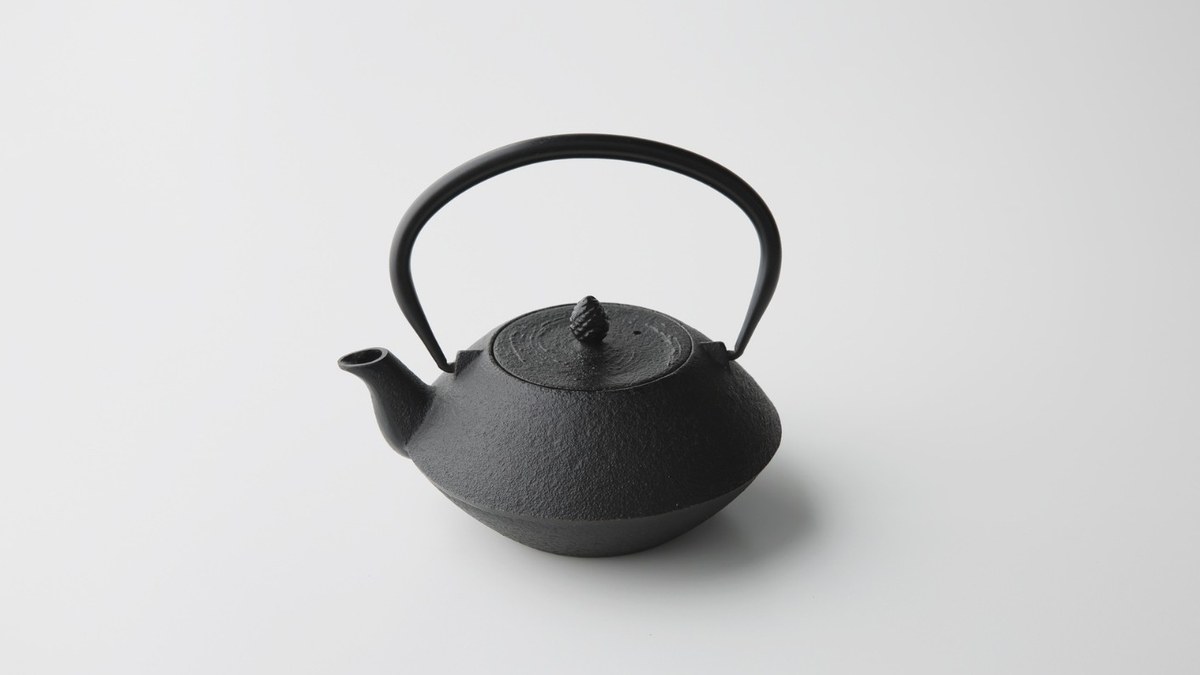
There is a particular kind of object that earns the word elite — not by being expensive, but by being made, from the very beginning, for one purpose, and perfected at it over generations. The Nambu tetsubin is exactly that. To understand why it makes tea taste better, you first have to know that making better tea is the entire reason it exists.
Born from the Tea Ceremony
The story begins in the 17th century, in what is now Iwate Prefecture in northern Japan. The local lords — the Nambu clan, who gave the craft its name — invited master casters from Kyoto to their castle town of Morioka. Their first commission was not pots or pans. It was chagama: the round iron kettles used to heat water in the tea ceremony. Nambu ironware was, quite literally, founded to serve tea.
Morioka had everything the craft needed within reach — iron sand, clay, charcoal, lacquer — and under the clan's patronage, a tradition took root that has never stopped.
The Birth of the Tetsubin
Around 1750, a caster named Koizumi Nizaemon III had an idea. The traditional chagama was a fixed kettle for the formal tea room. Why not make a smaller version — with a handle and a pouring spout — convenient enough to carry to an open-air tea gathering? That small, handled, spouted kettle is said to be the very first tetsubin.
It caught on immediately. Iron conducts heat far better than the ceramic kettles people had used before, so water came to the boil faster and stayed hot longer. What had been designed for the tea ceremony quietly became part of everyday life — but its purpose never changed. It was always, first, about the water for tea.
An Heirloom Fit for an Emperor
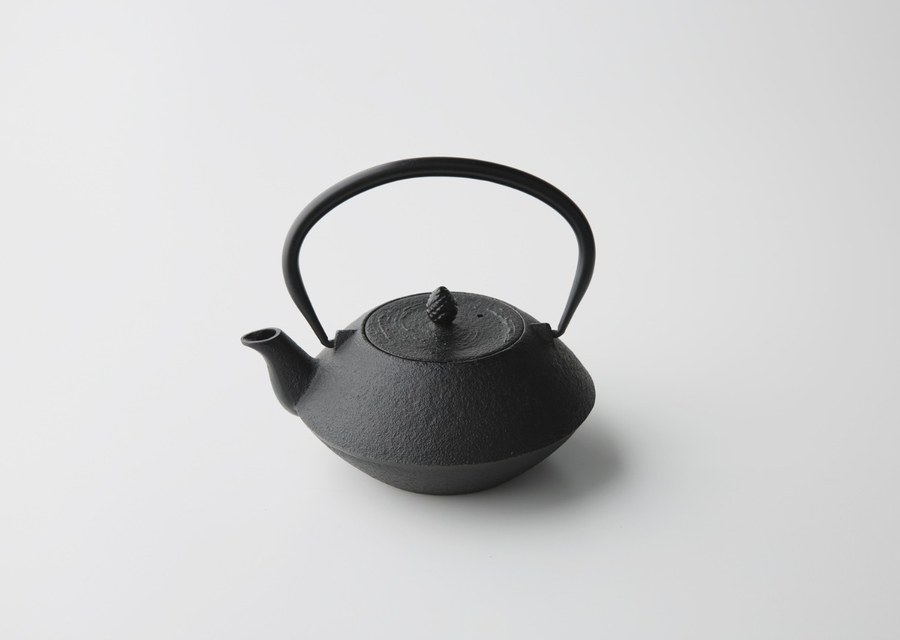
This was no humble cookware. The kettles cast in Nambu were presented as gifts to the Emperor. The classic mozuya kettle shape still made today is named after Mozuya Sōan — the son-in-law of Sen no Rikyū, the great master who shaped the tea ceremony itself. The tetsubin grew up in the most refined company tea has ever kept. Calling it an elite isn't flattery; it's lineage.
Why Tea Tastes Better From Iron
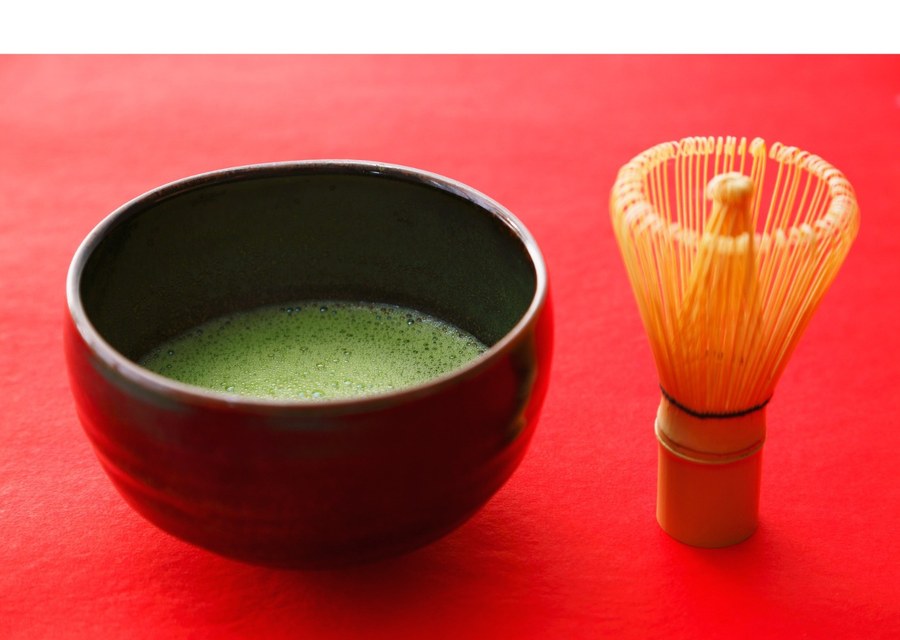
Here's the part that matters at the cup. A true tetsubin — one with a bare, unlined iron interior — does something a glazed pot cannot. As the water heats, a trace of iron dissolves into it. That tiny mineral change softens the water, rounding off its hard edge. The result is a mellower, fuller cup: the sweetness of the tea steps forward, the harshness recedes. Roasted teas like hojicha open up beautifully; the umami of sencha and gyokuro feels deeper.
This isn't folklore. It's the same principle behind everything I believe about tea: the water is half the cup. Soften it, and the leaf can finally say what it has to say.
As an Amazon Associate, MAISON YUKI earns from qualifying purchases, at no extra cost to you.
Choosing One: From First Kettle to Heirloom
If you're starting out, an enamel-lined kettle from Iwachu — the most respected name in Nambu ironware, casting for over a century in Morioka — is a forgiving, beautiful first step. Their dragonfly and arare (hailstone) designs are quietly stunning.
When you're ready for the real experience, move to an unlined tetsubin from Iwachu or Oigen and boil your water in it. Yes, it asks for care — dry it thoroughly after each use, and it will serve you for decades. An unlined Nambu tetsubin, kept well, is the kind of object that passes from parent to child. In a paulownia box, it is the finest gift I know to give a tea lover.
A Kettle That Remembers
What I love most is that a tetsubin, like a good clay teapot, gets better with use. The iron seasons. The water rounds. The cup you make in year ten is quietly better than the one you made on the first day. Few objects in a modern kitchen are made to last a lifetime — fewer still to improve across one. The tetsubin was born for tea three hundred years ago, and it still does its one job better than anything else. That is what an elite is.