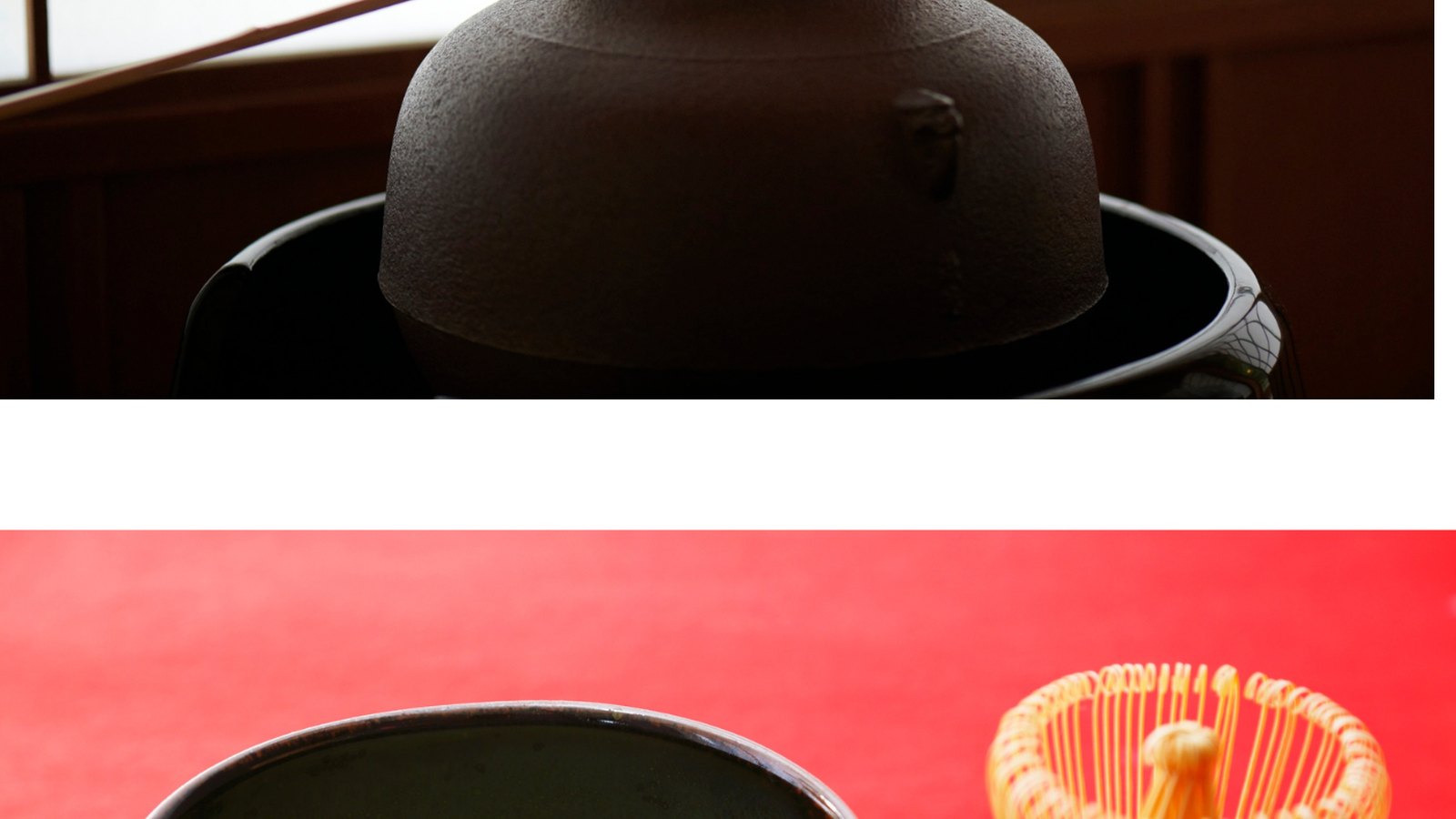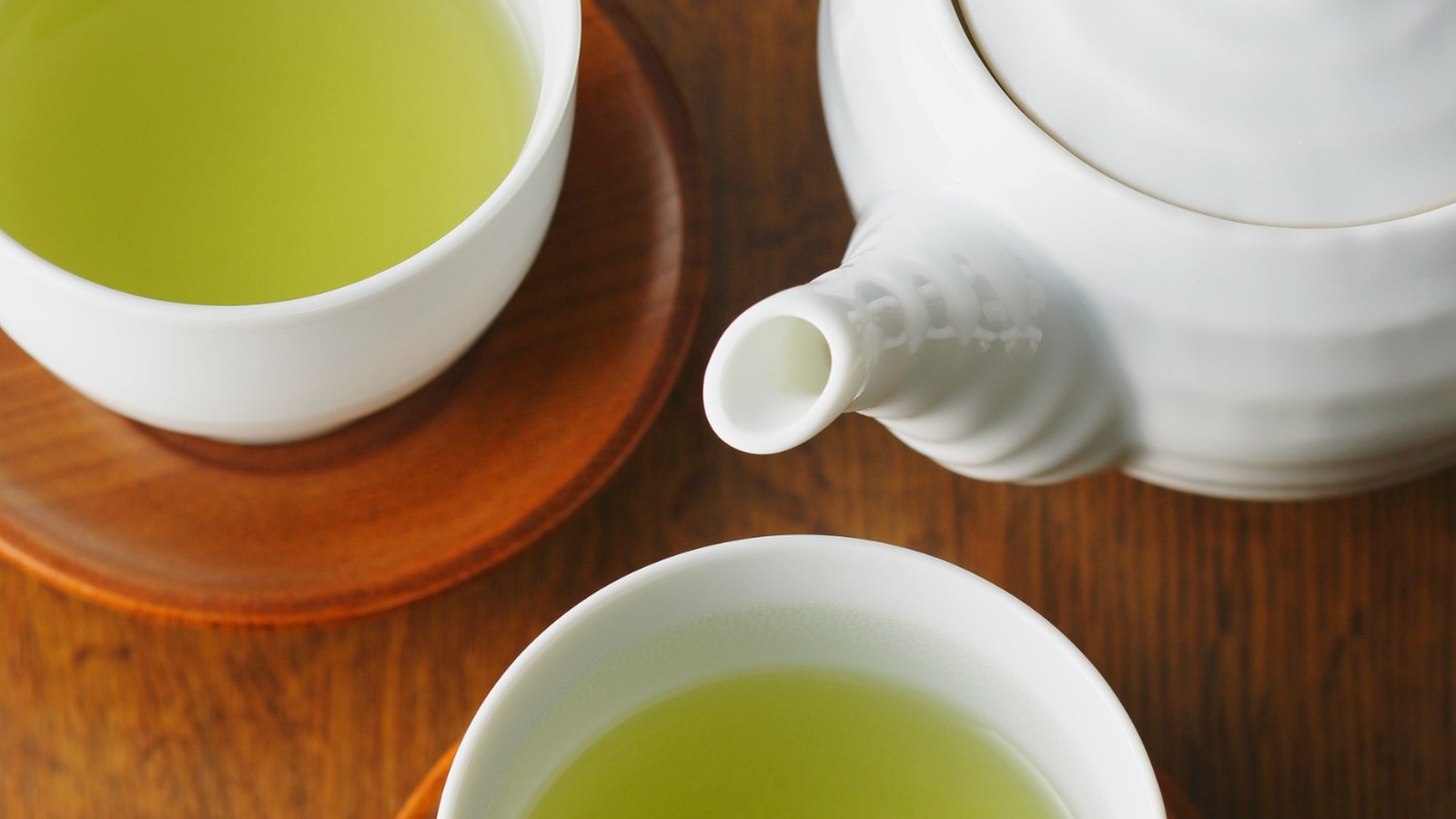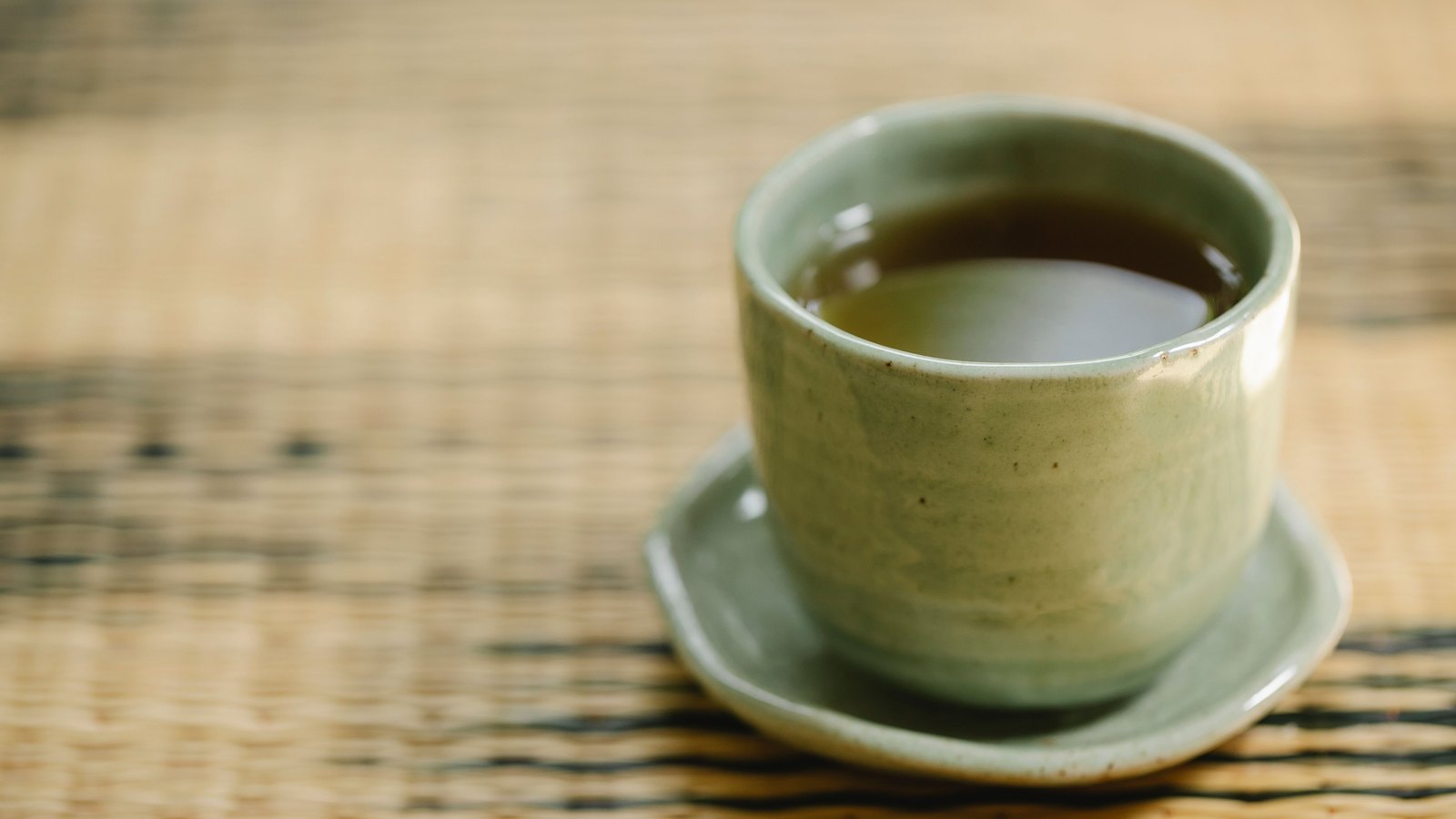
Let me answer the question plainly, then earn the answer. Green tea is genuinely good for you — one of the most well-studied healthy drinks in the world. But the benefits are gentle and gradual, not magical, and a few popular claims run well ahead of the evidence. Here's the whole honest picture.
It all begins with one thing: catechins, a family of natural antioxidants, the most studied being EGCG. Green tea is unusually rich in them because the leaves are steamed soon after picking, which preserves these compounds. Antioxidants help defend your cells against oxidative stress — the everyday damage linked to inflammation, ageing and chronic disease. Nearly every benefit below traces back to this.
1. Heart Health — the Strongest Evidence
If green tea does one thing well, supported by the most consistent research, it's caring for your heart. Large population studies — especially in Japan, where green tea is a daily staple — repeatedly link regular drinking with lower rates of heart disease and stroke. Reviews suggest that roughly 1.5 to 3 cups a day is associated with reduced cardiovascular risk, and the UK Biobank study of over 365,000 adults found regular tea drinkers less likely to suffer stroke or dementia. The likely mechanism is those catechins: they appear to help lower LDL ("bad") cholesterol, support healthy blood pressure, and protect blood vessels from oxidative damage. This is the benefit I'd put the most weight on.
2. Brain and Focus — Promising
Green tea carries both caffeine and the amino acid L-theanine, and together they create a calm, clear alertness — focus without the jitters of coffee. That much is well supported. Looking further ahead, the long-term picture is encouraging: a frequently-cited 2020 study associated regular green tea drinking with a markedly lower chance of cognitive decline in middle-aged and older adults, and large reviews link tea drinking with lower dementia risk. I'd call this promising rather than proven — the population data is suggestive, but the precise effect on the human brain still needs more clinical research.
3. Metabolism — Real, but Modest
Green tea is marketed endlessly for weight loss, so let me be honest about it. The catechin-and-caffeine combination does appear to give metabolism a small nudge, and the effect is enhanced when paired with exercise. But "small" is the operative word — health authorities note green tea's overall effect on weight is likely modest. Swapping a sugary drink for unsweetened green tea will help your waistline, mostly because you've cut the sugar. Green tea is a useful companion to a healthy lifestyle, not a fat-burning shortcut.
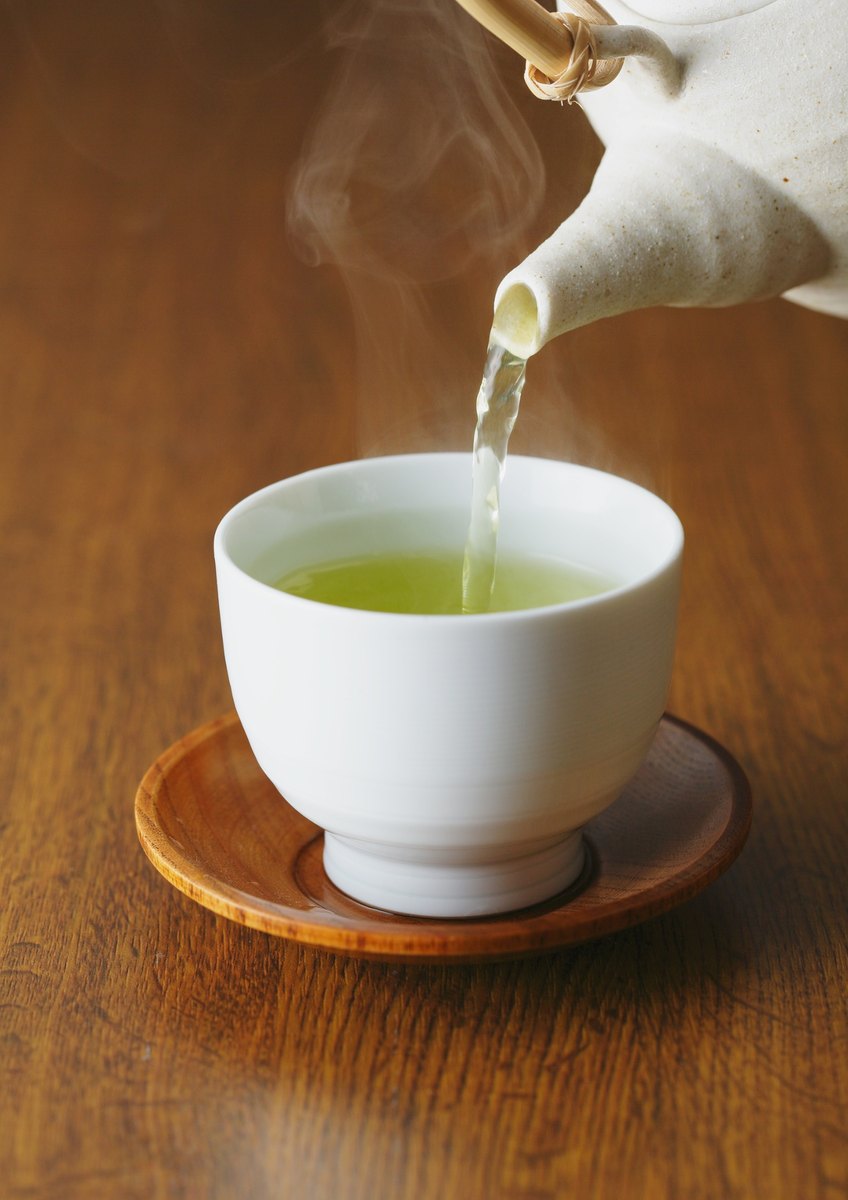
4. Immunity and Colds — and a Japanese Habit Worth Knowing
Here's something most Western articles miss entirely. Green tea catechins have been shown, in laboratory studies, to have antimicrobial and antiviral activity — they can interfere with how certain cold and flu viruses attach and multiply. That lab evidence is clear; what's less certain is exactly how much that translates into protection in real life. But it points to a benefit beyond the heart and brain, and it underlies a habit that's been passed down in Japan for generations: green tea gargling.
In Japan, gargling with green tea — or simply drinking it through cold season — is a folk practice for staying well, taught from parent to child. Several studies, including trials in Japanese schools and care homes, have looked at green tea gargling and influenza, and while individual results were mixed, pooled analyses have suggested a link with lower infection risk. The science isn't conclusive, and I won't pretend it is. But as a preventive ritual, it's harmless, pleasant, and deeply woven into Japanese life.
I do this myself, every day. Through cold season especially, I gargle with green tea and drink it through the day, and — speaking only from my own experience — I seem to catch fewer colds for it. I won't tell you it's proven to work; the honest truth is that the clinical evidence is still uncertain. But it's a habit my elders kept, that I keep, and that costs nothing. In my view, the best medicine is the quiet daily kind that prevents trouble before it starts — and a warm cup of green tea, gargled and sipped, is exactly that kind of habit.
5. What to Be Skeptical About
Here's where I part ways with the breathless articles. Claims that green tea "detoxes" your body are essentially meaningless — your liver and kidneys do that, not your tea. On cancer, the evidence is genuinely mixed and inconsistent; some studies hint at reduced risk for certain cancers, but it's far from established, and no one should drink green tea as a treatment. Treat these claims as unproven, and be wary of any page that states them as fact.
One practical caution worth repeating: this article is about drinking green tea, which is very safe for most people. High-dose green tea extract supplements are a different matter and have been linked, rarely, to liver problems. The tea in your cup is not the same as a concentrated pill. And if you take certain medications (the statin atorvastatin is one example), check with your doctor, as green tea can interact.
An Acupuncturist's View: Green Tea as a "Cooling" Tea
Let me offer the other lens I was trained in, because it adds something Western nutrition doesn't. In East Asian medicine, foods and drinks are described not only by their nutrients but by their energetic nature — warming or cooling, and what they do to the body's balance. Green tea is classified as cooling (and slightly bitter), with the action of clearing heat. In plain terms: it's seen as a drink that calms an overheated, inflamed, restless state — which lines up rather neatly with the Western picture of antioxidants and anti-inflammatory effects.
This view also adds useful nuance the nutrition labels can't. Because green tea is cooling, it suits warm weather and "hot" constitutions beautifully — but someone who runs cold, or has a delicate, easily-chilled digestion, may find a lot of strong green tea sits heavily, especially on an empty stomach. The traditional remedy is sensible: drink it warm rather than iced, not on a completely empty stomach, and lean on the gently warming roasted teas (hojicha, genmaicha) if plain green tea feels harsh. As always, this is the language of a centuries-old tradition rather than laboratory proof — but it has guided how, and for whom, tea is drunk for a very long time, and I find it a wise complement to the science.
How Much Should You Drink?
For most healthy adults, around 2 to 3 cups a day sits comfortably in the range associated with benefits, without too much caffeine. If you're sensitive to caffeine or pregnant, go lighter, and favour the gentle roasted teas in the evening. (For the full breakdown of caffeine across every Japanese tea, see our complete guide to caffeine in Japanese tea.) As always, the gentlest path is the wisest: green tea rewards the steady daily habit, not the occasional heroic dose.
Frequently Asked Questions
What is green tea actually good for?
The best-supported benefit is heart health — regular drinking is linked with lower cholesterol, healthier blood pressure, and reduced risk of heart disease and stroke. It also offers a calm, focused alertness, promising signs for long-term brain health, and a modest metabolism boost. Most benefits are gentle and build up over years of regular drinking.
How many cups of green tea should I drink a day?
For most healthy adults, 2 to 3 cups a day sits in the range associated with benefits without too much caffeine. If you're caffeine-sensitive or pregnant, drink less and favour low-caffeine roasted teas like hojicha in the evening.
Does green tea help you lose weight?
Only modestly. Catechins and caffeine give metabolism a small nudge, especially alongside exercise, but green tea is not a fat-burning shortcut. Its real weight benefit is usually replacing sugary drinks. Treat dramatic weight-loss claims with caution.
Is green tea good for colds and immunity?
Possibly. Green tea catechins show antiviral and antimicrobial activity in lab studies, and gargling green tea is a traditional Japanese practice through cold season. Pooled studies suggest a possible link with lower flu risk, though the evidence isn't conclusive. As a gentle, harmless preventive habit, it's well worth keeping.
Is it better to drink green tea hot or cold?
Both are healthy. In traditional terms, green tea is "cooling," so a warm cup is gentler on digestion — especially if you run cold or have a sensitive stomach — while iced green tea is wonderfully refreshing in hot weather. Avoid drinking a lot of strong green tea on a completely empty stomach.
The Honest Bottom Line
Green tea is one of the genuinely good choices you can make — strong support for your heart, promising signs for your brain, a gentle daily ritual that replaces less healthy drinks, and a quiet place in centuries of preventive wisdom. That's a lot for a humble cup. It won't perform miracles, and it doesn't need to. The real benefit isn't any single headline; it's that a small, nourishing habit, repeated daily over years, quietly tilts your health in the right direction. As someone who works with the body, I can tell you that's worth far more than any miracle claim.