Here's something that surprises people. When the finest sencha and gyokuro are made, the tender leaves are carefully separated from the stems and twigs. For a long time, those stems were treated as a by-product — bundled up, handed to farm workers, sold cheaply at the market. The leftover part. And yet those who actually drank it knew a secret: the twigs make a remarkably good cup of tea.
What Is Bocha?
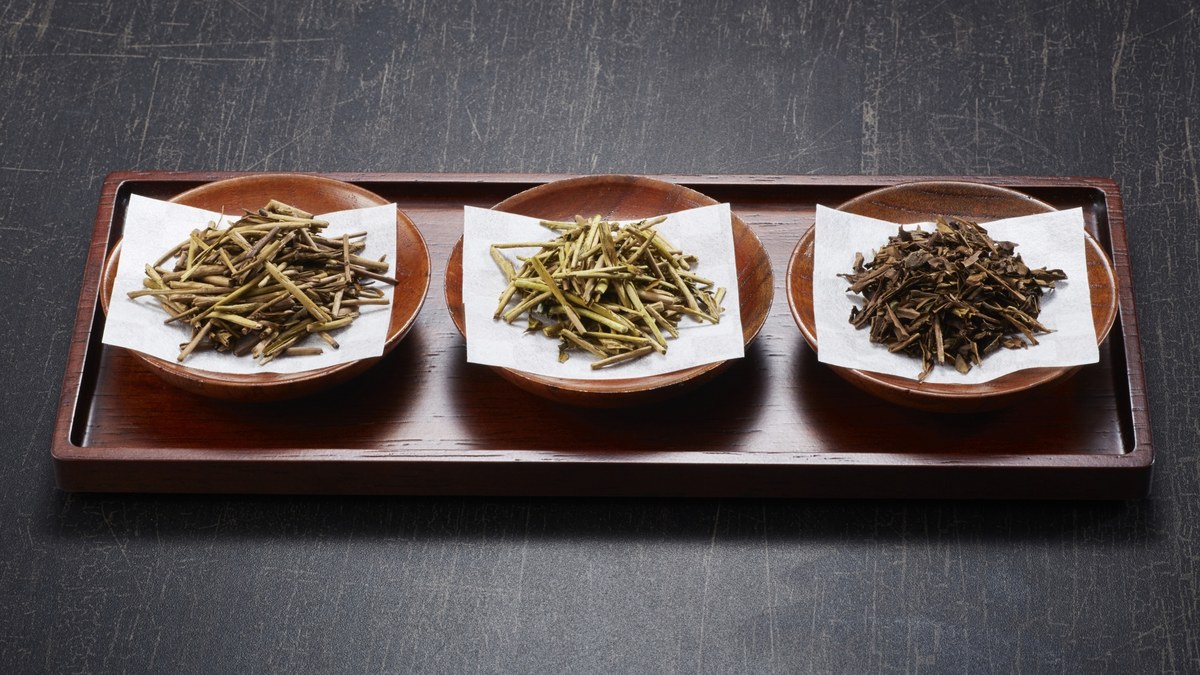
Tea made from these stems and twigs is called kukicha (茎茶, "stem tea"). And when those stems are roasted over high heat, they become bocha (棒茶) — literally "stick tea." The roasting transforms everything. The light, green, vegetal notes give way to something warm, toasty and nutty — a little like roasted grain, with a gentle sweetness. Low in caffeine, soft on the stomach, comforting at any hour.
It's often grouped with hojicha, and they're cousins — both roasted. But there's a real difference: ordinary hojicha is roasted leaf, while bocha is roasted stem. The stems are thicker, so they're roasted harder and hotter, and that draws out a deeper, rounder aroma. To me, that's exactly why connoisseurs reach for it. It's the quiet, knowing choice.
Here's a way to taste the whole family at once. Think of Japanese tea like the doneness of a good steak. Fresh, grassy sencha is the rare end — bright, green, alive. Deeply roasted hojicha is closer to well-done — rich, toasty, warm. And bocha sits right in between: sweet and roasty, the natural sweetness of the stem meeting a gentle roast. It's the medium-rare of Japanese tea — the balanced point where, for my taste, everything comes together.
Kaga Bocha, and the City of Kanazawa
The most famous bocha of all was born in 1902 in Kanazawa, in Ishikawa Prefecture, where a tea merchant first roasted pure stems into something special. It became Kaga Bocha, and it carries a piece of history with it: a local maker once prepared a bocha from the finest stems and presented it to the Emperor, who tasted it, loved it, and carried it back to the palace. From that moment, Kaga Bocha became a name known across Japan.
In Kanazawa, bocha isn't a curiosity — it's the everyday tea, the way sencha is in Tokyo. Walk into a traditional teahouse there and this is the house cup. And Kanazawa today is one of the most beloved destinations for visitors to Japan: a city where history and tradition live together — old samurai districts, gold-leaf craft, one of the country's great gardens. The tea they pour you there is Kaga Bocha. To taste it is to taste the city.
How to Brew It
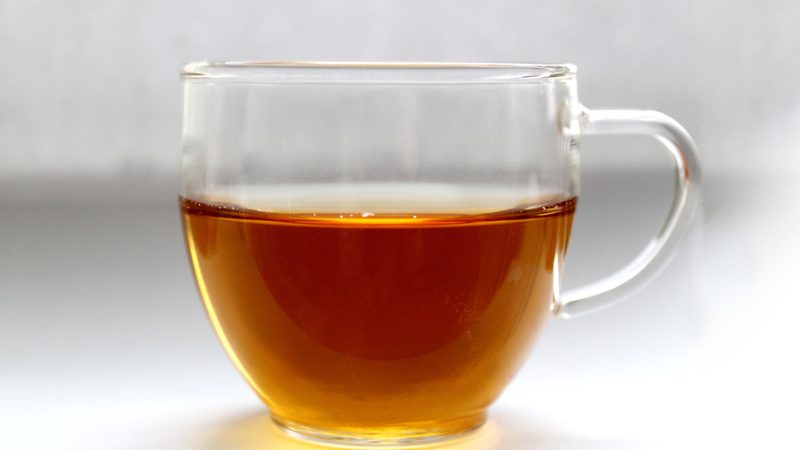
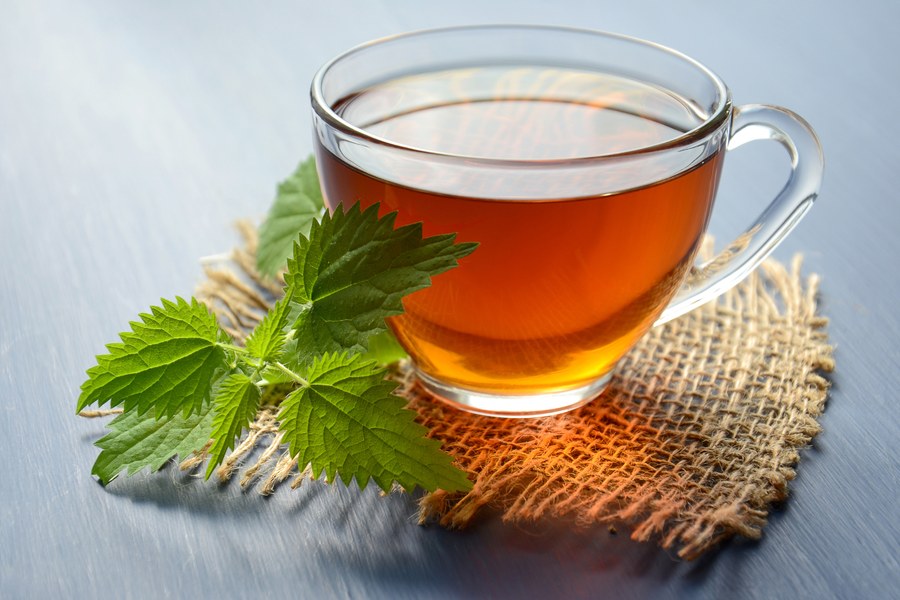
Bocha is wonderfully forgiving — one of the easiest Japanese teas to love. Unlike delicate sencha, it welcomes hot water: bring it close to a boil, around 90–95°C, pour over the stems, and steep for about 30–60 seconds. You'll get a clear amber cup with a toasty, sweet aroma that fills the room. It re-steeps happily, too. No fussing over temperature, no bitterness to fear — just warmth.
Because it's so low in caffeine, it's the tea I reach for in the evening, and the one I'd give to anyone who says they "don't like green tea." It tends to win them over.
Why I Love It
There's something I find quietly moving about bocha. It's made from the part of the plant that was once thrown away — and through nothing but skilled roasting, it becomes something a connoisseur seeks out and an emperor carried home. That's a very Japanese kind of beauty: finding the worth in what others overlook, and lifting it up with care. Pour a cup of Kaga Bocha on a cool evening, and I think you'll understand why it's the one I love most.