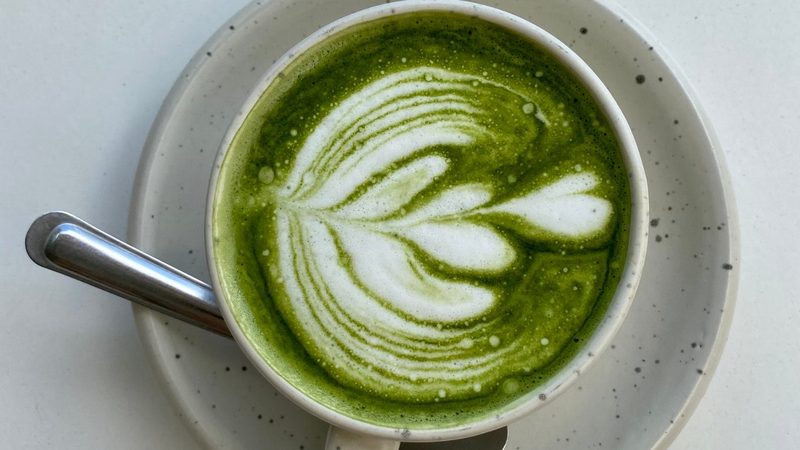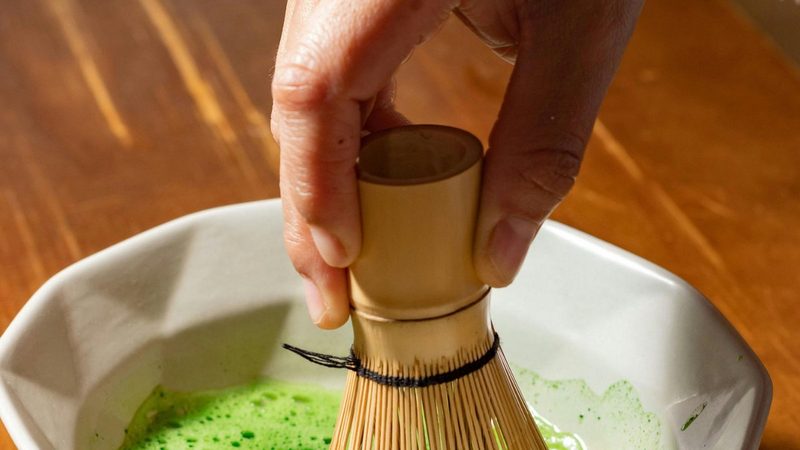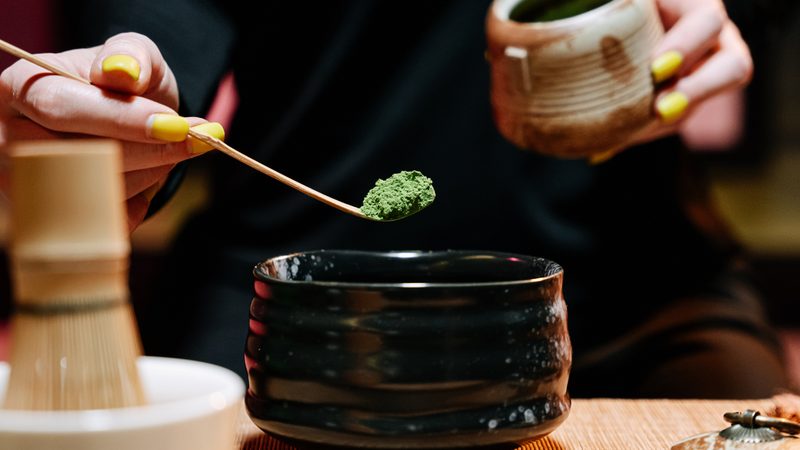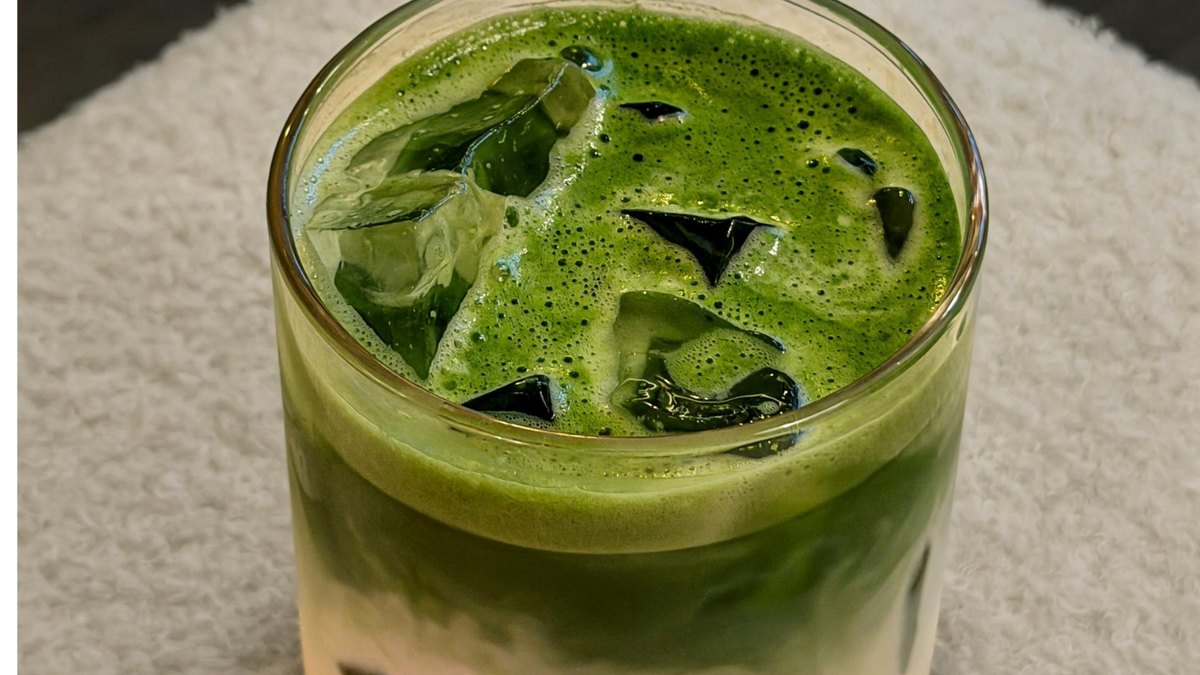
Walk into almost any cafe today, from London to Los Angeles to Sydney, and you'll spot it: that unmistakable bright green, swirled into milk over ice. The matcha latte has gone from niche to everywhere in a remarkably short time. But the drink in your hand sits on top of nearly a thousand years of history — and right now, on a supply crisis playing out in real time. Let's start at the beginning.
Where the Latte Actually Came From
Matcha itself is ancient. The powdered, whisked tea traces back to Zen monks in 12th-century Japan, drunk plain in a bowl — no milk, no sugar, no ice. (If you're curious about that origin, we tell the full story in our history of Japanese tea.)
The latte, though, is new. Combining matcha with steamed milk is a modern, largely Western invention — born when cafe culture met Japanese tea and asked, "what if we treated this like a coffee drink?" Sweetened, served over ice, made Instagram-ready, the matcha latte became matcha's friendly, approachable cousin: all the colour and the gentle lift, none of the formality of the tea ceremony.
Why It Exploded
Matcha had been quietly available in the West for years. So why did it detonate in popularity over just the last two or three? A few things lined up at once.
Social media. Matcha is almost unfairly photogenic. That vivid green is built for TikTok and Instagram, and thousands of creators stirring, pouring, and layering matcha lattes turned it into visual shorthand for a certain calm, wellness-minded lifestyle.
The wellness wave — this is the big one. Matcha didn't just look healthy; it genuinely is a nutritional heavyweight, and it rode straight into a global health boom. Because you drink the whole ground leaf instead of a steeped extract, matcha delivers a far more concentrated dose of nutrients than regular green tea. Chief among them is EGCG (epigallocatechin gallate), a catechin antioxidant found in green tea and especially concentrated in matcha. Research links these compounds to a string of benefits: fighting the free radicals behind cell aging, supporting metabolism and fat-burning, helping heart health by improving cholesterol, and — paired with L-theanine — sharpening focus while keeping you calm.
None of this is a miracle cure, and the strongest claims still need more human studies. But the core is real: matcha is a true antioxidant powerhouse. As the world turned toward clean eating, "superfoods," and gentler alternatives to coffee, matcha was the perfect fit — delicious, natural, and packed with the stuff people were suddenly seeking.
Travel to Japan. The post-pandemic tourism boom sent huge numbers of visitors to Japan, many of whom tasted real matcha for the first time — and went home wanting more.
The Numbers Are Staggering
This isn't a small trend. The global matcha market was valued at roughly $4 billion in 2025, and it's still climbing fast year on year. Cafes in major cities report selling out weekly; some now cap how much a single customer can buy.
And it's not just cafes. Matcha now turns up in ice cream, chocolate, lattes, pastries — and, yes, even skincare and shampoo. It has become, as one tea seller put it, a genuine cultural touchpoint in the West, not just a drink.
The Shortage Nobody Saw Coming
Here's where the story gets complicated. Demand has now badly outrun supply, and in 2025 that turned into a real, global matcha shortage.
The price numbers tell it plainly. Auction prices for tencha — the raw shaded leaf that becomes matcha — jumped around 170% in a single year, and good ceremonial matcha that sold for about $60 per 100g two years ago now runs close to $100. Famous old houses like Ippodo and Marukyu Koyamaen hit shortages and capped orders. At one Los Angeles matcha bar, 21 of 25 matchas on the menu were sold out.
Why can't Japan just make more? Because real matcha can't be rushed. The leaves must be shade-grown for weeks, hand-finished, and stone-ground slowly. And the deeper problem is people: Japan's tea farmers are aging fast — by 2020, roughly three-quarters were over 60 — and there aren't enough younger growers to replace them. Add record-breaking heat in recent summers, and supply simply can't spring up overnight. Japan's government is now pushing to grow more, and tencha production has nearly tripled in recent years — but real matcha remains, as the growers put it, a long-term endeavour.
One Quiet Worry
There's a catch worth knowing as a buyer. With demand this hot, some products sold as "matcha" are really just green tea leaves ground to powder — skipping the shading that gives true matcha its sweetness, colour, and amino-acid richness. They look the part but don't taste or behave like the real thing. If your matcha is suspiciously cheap and always in stock, it may not be true matcha at all.
Some traditional tea ceremony masters, meanwhile, watch the boom with mixed feelings — glad for the new interest, but wary that turning a meditative ritual into a sweet iced drink risks blurring what matcha really is.
Made in Japan — and, Increasingly, Elsewhere
One more thing the boom has changed: where your matcha actually comes from.
The idea of grinding tea into powder and whisking it began in China centuries ago. But matcha as we know it — the shaded leaf, the vivid green, the stone-grinding — was refined and perfected in Japan over 800 years, and for most of modern history "matcha" meant Japanese matcha. Japan still sets the gold standard: producers shade their leaves for a long 20–30 days and grind them slowly on stone mills, which is exactly what gives top Japanese matcha its sweet umami and brilliant colour.
But here's the shift. With Japanese matcha now scarce and expensive, a lot of the world's matcha is increasingly grown elsewhere — above all in China, which by some estimates now supplies a majority of global volume, often at 30–50% less than Japanese matcha. Historically, Chinese powdered tea was sun-grown and machine-ground, giving a duller, more bitter, less vivid result. That's still often true at the cheap end.
But — and this matters — it would be wrong to simply write China off. Several Chinese regions are now investing seriously in longer shading and better milling, and the quality gap is narrowing: one 2025 study scored a top Chinese matcha at 90.7 against a Japanese reference at 93.5. Close. The honest takeaway isn't "Japan good, China bad." It's this: judge the matcha in the bowl, not the flag on the tin. Vivid spring-green and a smooth, sweet taste signal quality from anywhere; a dull yellow-brown colour and harsh bitterness signal the opposite. For the very top ceremonial grade, Japan still leads — but a good cup is increasingly about the maker, not just the map.
So, Enjoy It — Thoughtfully
None of this is a reason not to love your matcha latte. It's a wonderful drink, and the boom has introduced millions of people to a tea worth knowing. But knowing the story behind the cup makes it better. Buy real matcha from a source you trust, understand why good matcha costs what it does, and maybe — once in a while — try it the old way too: just powder, hot water, and a whisk. That quiet bowl is where the whole thousand-year story began.