The Simple Recipe
For one good pot (about 200ml):
| Step | How |
|---|---|
| Leaf | About 5g — a heaped tablespoon |
| Water | 90–100°C (just off the boil) |
| Steep | 30–60 seconds |
| Pour | To the very last drop, then re-steep |
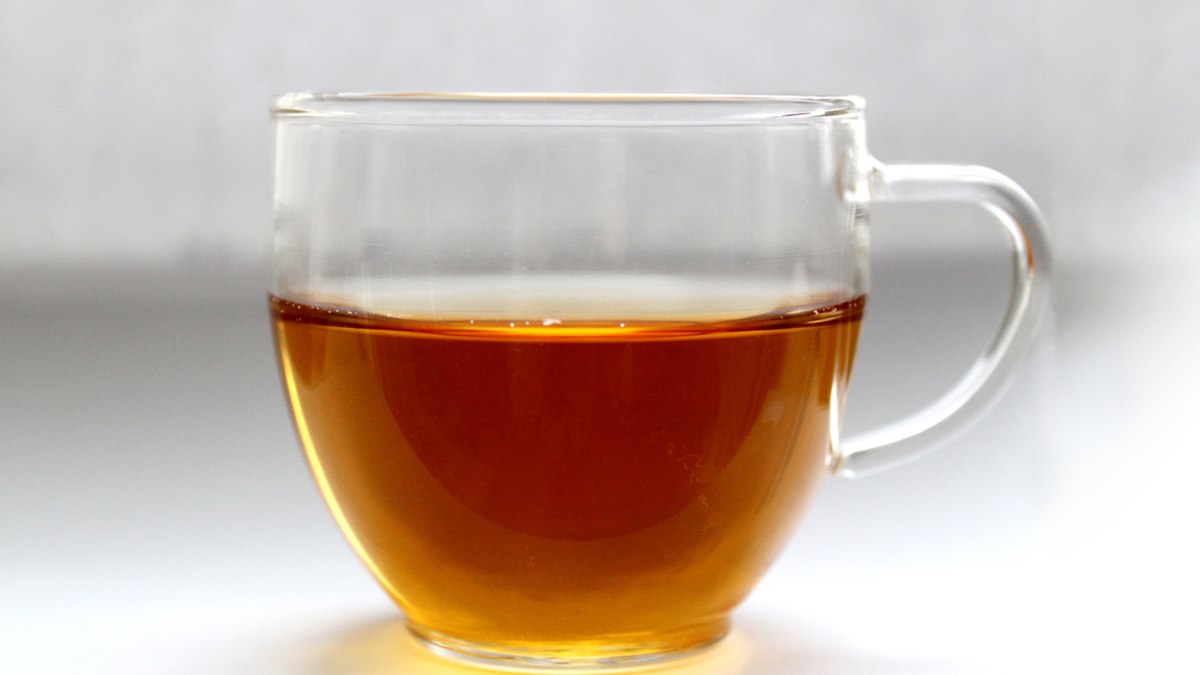
Put the leaves in your pot, pour the hot water over them, wait under a minute, then pour out completely. You'll get a clear, reddish-amber cup with a wonderful toasty aroma. That's the whole method.
Why Hojicha Takes Near-Boiling Water (and Sencha Doesn't)
This is the key thing that makes hojicha so forgiving, and it's worth understanding. Delicate green teas like sencha are full of catechins and amino acids that turn harsh and bitter when hit with very hot water — which is why sencha demands cooler water, around 70°C, and careful timing. Hojicha is different because roasting has already transformed those compounds. The high heat of roasting burns off much of the astringent, bitter edge before the tea ever reaches your cup. So there's far less bitterness left to extract, and hot water simply releases the toasty, sweet, roasted flavours you actually want.
In other words: the fire did the hard work for you. That's why hojicha is the tea I recommend to anyone who finds green tea intimidating — you genuinely cannot get it wrong.
Hojicha vs Sencha: Brewing at a Glance
| Sencha | Hojicha | |
|---|---|---|
| Water temp | Cooler — around 70°C | Hot — 90–100°C |
| Steep time | 60–90 seconds | 30–60 seconds |
| Bitterness risk | High if too hot | Very low — forgiving |
| Thermometer | Helpful | Not needed |
I love recommending hojicha to nervous beginners precisely because it removes the anxiety. So many people give up on Japanese green tea after one bitter, scorched cup and conclude "I just don't like it." But that bitterness was almost always a brewing mistake, not the tea's fault. Hojicha forgives all of it. And there's something fitting in that: this is the evening, wind-down tea, so it should be the one you can make half-asleep, without fuss or precision. A tea meant for rest shouldn't demand vigilance to brew. Pour hot water, wait a moment, drink. That simplicity is part of its medicine.
Brewing Hojicha in Cold Water (Mizudashi)
In summer, try cold-brew hojicha (mizudashi). Put about 10g of leaf in a 1-litre bottle of cold water, refrigerate for 2–3 hours, and strain. The slow, cold extraction gives an exceptionally smooth, sweet, mellow drink with even less caffeine — wonderfully refreshing and gentle. It's one of my favourite things to keep in the fridge through the hot months.
Getting a Second (and Third) Cup
Good hojicha re-steeps happily. After your first pour, simply add hot water again — the second steep can be even smoother, and a third is often still pleasant. Because the leaf is so forgiving, you don't need to shorten or lengthen the timing much; just pour, refill, repeat. It's an economical, generous tea.
What About Hojicha Powder?
Powder is a different process entirely — you whisk it into water or milk rather than steeping it, like matcha. If you have hojicha powder rather than leaf, the brewing rules above don't apply; instead, see my hojicha latte recipe, linked below, for how to whisk it properly.
Have hojicha powder instead of leaf? It's whisked, not steeped — here's how to turn it into a creamy latte.
How to Make a Hojicha Latte (Recipe) →Frequently Asked Questions
What temperature should hojicha be brewed at?
Hot — around 90–100°C, just off the boil. Unlike delicate sencha (which needs ~70°C), hojicha won't turn bitter in hot water because roasting has already removed most of its astringency. No thermometer required.
How long do you steep hojicha?
Just 30–60 seconds. It's a quick-releasing tea. Steep too long and it's still rarely bitter, but a short steep gives the cleanest, sweetest, most aromatic cup. Then pour to the last drop and re-steep.
Can you brew hojicha with boiling water?
Yes — fully boiling water is fine for hojicha, which is what makes it so forgiving. Letting it cool just slightly (to around 90°C) is ideal, but you won't ruin it with boiling water the way you might ruin sencha.
How much hojicha per cup?
About 5g — a heaped tablespoon — per 200ml of water. For cold brew, use around 10g per litre and refrigerate for 2–3 hours.
Can you cold-brew hojicha?
Yes, and it's lovely. Put ~10g of leaf in 1 litre of cold water, chill for 2–3 hours, and strain. The result is smooth, sweet and even lower in caffeine — perfect for summer.