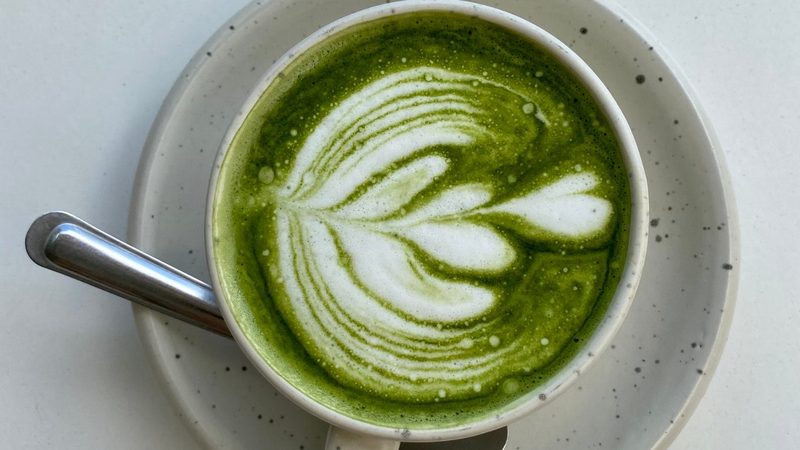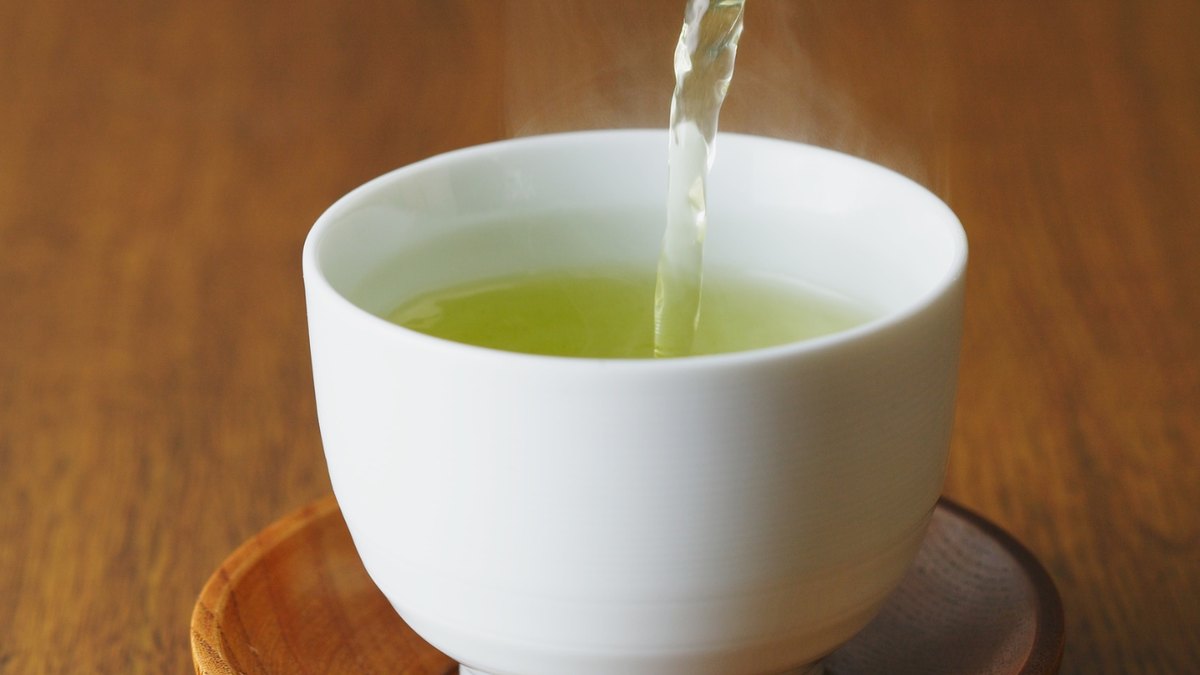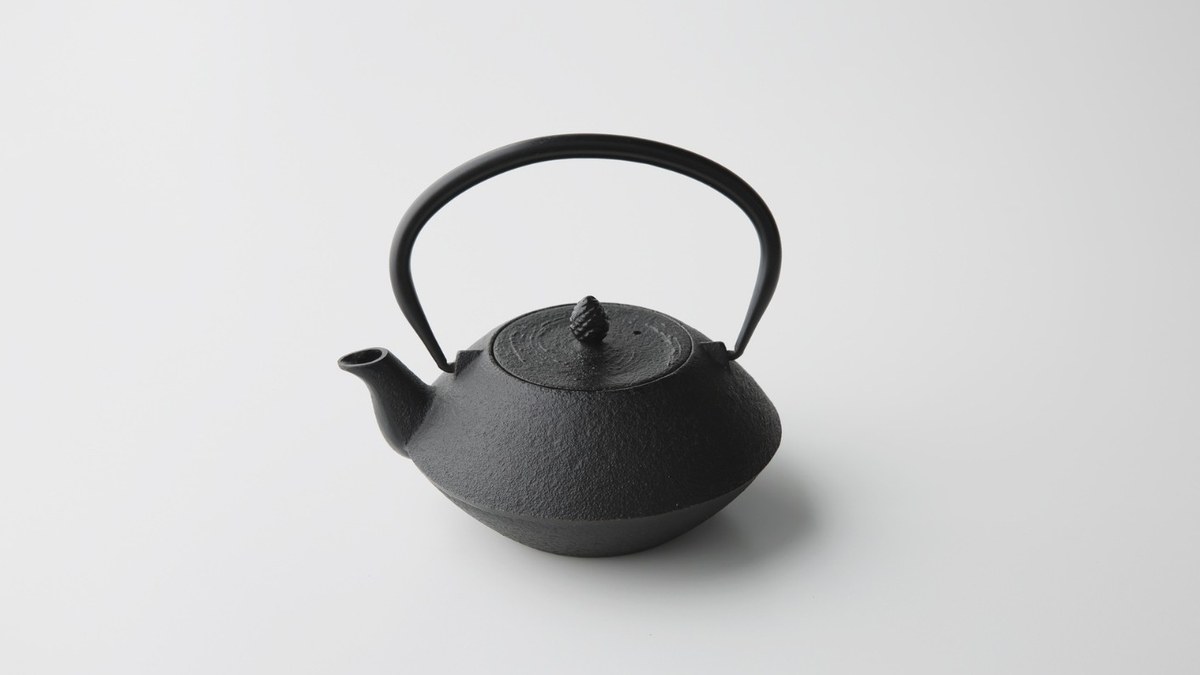
I'm an acupuncturist by trade, so I think a lot about what's invisible but decisive — the things working beneath the surface. Water is exactly that for tea. We taste the leaf and credit the leaf, but half of what's in the cup is the water. And water is not the same everywhere. Its character is written by the very ground it travels through.
Soft Water and Hard Water
The difference comes down to minerals — mainly calcium and magnesium. Water low in these is called soft; water high in them, hard. And the divide between nations is dramatic: most of Japan's water sits at a hardness of roughly 20–80, firmly soft, while much of Europe's runs 200–400, distinctly hard.
Why such a difference? It's geology. Japan is a steep volcanic island chain. Rain races down through young, mineral-poor rock and reaches the tap in a hurry, picking up little along the way. Europe, by contrast, sits on broad beds of limestone, and its flatter land lets water linger underground, dissolving calcium and magnesium as it goes. The land writes itself into the water — and the water, into the cup.
Why Soft Water Loves Green Tea
Japanese green tea is built on delicate things: sweet amino acids, gentle umami, fresh aroma. Soft water lets those subtle notes dissolve evenly and step forward. The result is a cup that's sweet, rounded, vivid green. Pour the same sencha with hard water and the minerals bind to those delicate compounds, muting the sweetness and pushing bitterness and astringency to the front. The bright green dulls toward brown. One tea writer living abroad put it perfectly: in hard water, good green tea collapses into just two flavours — bitter and sour.
This is no accident of culture. Japan drinks green tea in part because Japan's water makes green tea taste wonderful. The drink and the water grew up together.
Why Hard Water Suits Black Tea
Now turn it around. Black tea is bold, robust, tannic — it doesn't bruise the way green tea does. And here's the fascinating part: hard water, which ruins green tea, gives black tea a deeper, darker colour and a fuller body. The very mineral content that flattens sencha makes a cup of English breakfast look and feel rich and strong. Add the European habit of milk — whose proteins soften the harsh edge hard water can bring — and you have a drink engineered, almost by accident, for exactly that water.
So when Europe embraced black tea, taken strong and with milk, it wasn't only fashion. It was the most delicious thing to do with the water Europe had.
And Coffee? A Note on America
It's tempting to extend the idea: if soft water suits green tea and hard water suits black, where does coffee fit? Coffee specialists do agree that water with a moderate mineral content — neither very soft nor very hard — extracts the best, most balanced cup. And American tap water, broadly speaking, tends to fall in that middle band, though the United States varies enormously from region to region. I'll be honest: the link between a nation's water and its national drink is cleaner and better documented for green and black tea than for coffee. But as a way of seeing the world, it's a lovely thought — that each place quietly perfected the drink its water was best at.
What This Means for Your Cup
If you live in Europe or North America and your Japanese green tea has ever tasted flat, harsh, or strangely dull in colour, you now know the likely culprit — and it was never the leaf. It was the water doing what hard water does. The fix is simple: brew your green tea with soft, low-mineral water, and watch the sweetness and the green snap back into focus. One quiet change, and the tea finally tastes the way it does in Japan.