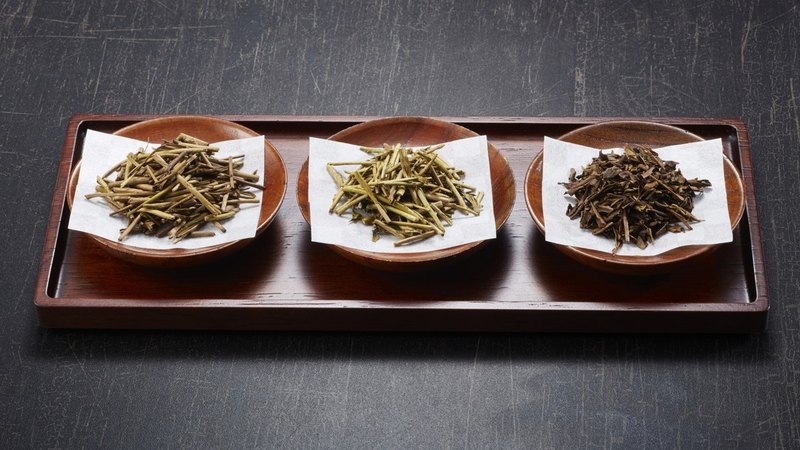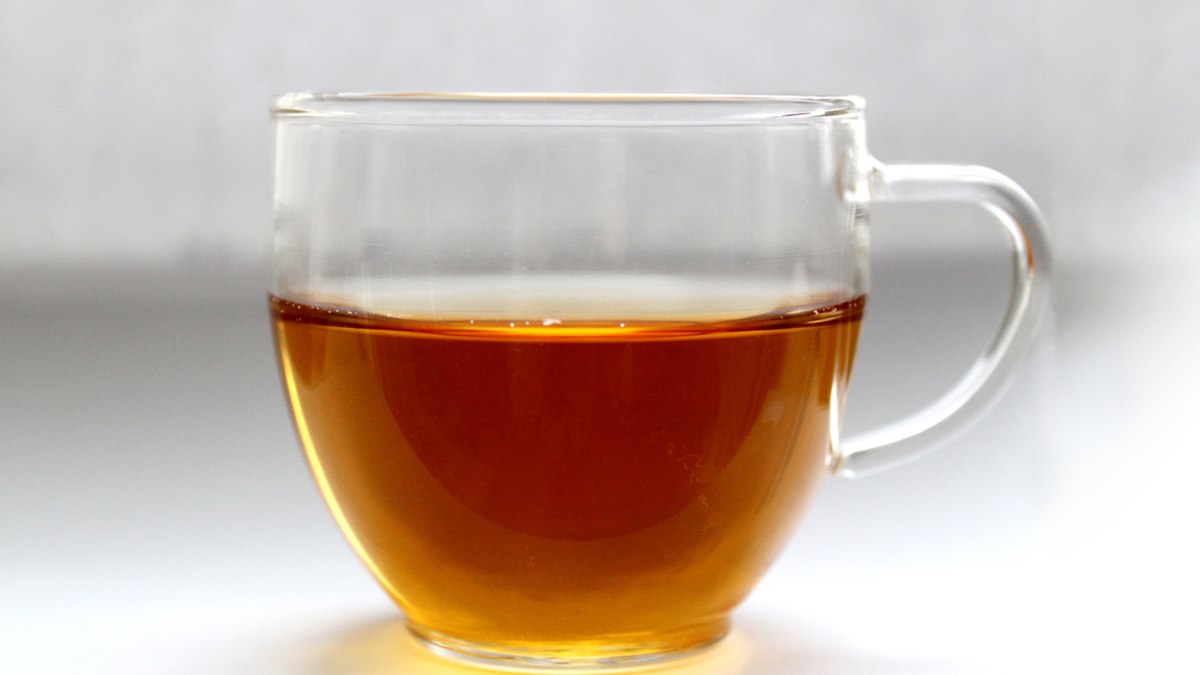
Let's define it simply. Hojicha (ほうじ茶) is Japanese green tea that has been roasted. Most green tea is steamed and kept vivid green; hojicha takes that tea — often a more mature leaf like bancha, or the stems — and roasts it at high heat, usually above 200°C. That roasting transforms everything: the colour turns from green to warm reddish-brown, and the grassy, vegetal notes give way to something toasty, nutty and lightly sweet, with hints of caramel and cocoa. It is the cosiest tea in the Japanese repertoire.
Its origin is humble and modern. Hojicha is said to have begun in 1920s Kyoto, when tea merchants roasted leftover leaves and stems rather than waste them — the spirit the Japanese call mottainai, "nothing wasted." What started as thrift became a national favourite.
Is Hojicha Caffeine Free?
This is the question that brings most people here, so let me answer clearly and honestly: no, hojicha is not caffeine-free — though it is low. You'll often see "7–15mg a cup" quoted, but Japan's official food-composition tables put brewed hojicha at about 20mg per 100ml — roughly 30mg in a standard cup, still well under a coffee's ~95mg. The very low figures usually reflect stem-based or cold-brewed hojicha. Because it comes from the same plant as all green tea, Camellia sinensis, it always contains some caffeine. There's no such thing as a truly caffeine-free green tea.
So why is hojicha gentler than its grassy cousins? The honest answer is mostly the leaf, not the fire. It's usually made from mature leaves and stems — especially stem-based kuki-hojicha — which naturally hold less caffeine than the young buds used for sencha or matcha. The roasting plays a smaller role than the popular "it burns off the caffeine" story suggests: caffeine does vaporise near 178°C, and hojicha is roasted hotter, but the roast is brief and meaningful caffeine remains (which is why the official tables still list it near sencha's level). What roasting really transforms is the flavour — softening the bitterness and building that toasty calm. That gentleness is why, in Japan, hojicha is the cup traditionally served to children, to the elderly, and after dinner.
Why Hojicha Calms You — Before You Even Sip
Here's the part I find genuinely fascinating, and where my work begins to matter. When you roast tea above about 150°C, a process called the Maillard reaction kicks in — the same browning chemistry that gives roasted coffee, toasted nuts and fresh bread crust their smell. It creates a family of aroma compounds called pyrazines. These are what make hojicha smell toasty and nutty rather than grassy — and they do something remarkable.
Recent Japanese research has found that simply inhaling the aroma of hojicha can shift the body toward parasympathetic activity — the "rest and recover" side of your nervous system — with measurable changes in things like skin temperature. In plain terms: the smell alone begins to calm you, before a drop touches your lips. That's a different mechanism from the calm that L-theanine (also present) provides; the pyrazines work through scent, through the nose. You smell the calm before you taste it.
This is exactly the kind of thing I work with every day. So much of health comes down to the balance between the two halves of the nervous system — the "go" of stress and the "rest" of recovery. Most people I see are stuck in "go," and can't find the switch back. What moves me about hojicha is that it offers that switch through the gentlest possible door: a smell. Long before anyone could measure parasympathetic activity, Japanese families knew to pour a roasted tea in the evening to wind down. The science is only now catching up to the wisdom. When I pour hojicha after a long day, I'm not just having a drink — I'm giving my body a signal it understands instantly: you can rest now.
Hojicha's Gentle Benefits
As a roasted green tea, hojicha keeps green tea's antioxidants — the catechins linked with supporting heart health — though roasting reduces them somewhat compared to unroasted sencha (by roughly half, some research suggests). Its real strengths, though, are about gentleness. The low caffeine makes it easy to drink all day and into the evening without disturbing sleep. It's notably easy on the stomach — less astringent and lower in caffeine, so it sits comfortably even when you're tired or haven't eaten. And there's that calming aroma. Hojicha won't out-muscle matcha on antioxidants, and it doesn't try to. Its gift is comfort.
→ An honest look at hojicha's benefits — what's real, what's hype, and why gentle is the point
An Acupuncturist's View: A "Warm" Tea for the Evening
Let me add the other lens I was trained in, because it explains why hojicha feels right at night in a way Western chemistry doesn't quite capture. In East Asian medicine, foods and drinks carry an energetic nature — cooling or warming. Plain green tea is considered cooling: refreshing, good for clearing heat, but a little harsh on a cold or delicate constitution, especially in the evening or on an empty stomach. Roasting changes that. The fire that browns the leaf also warms its nature, making hojicha gentler and more grounding than the green tea it came from.
This is why, in my tradition, roasted teas are the natural choice for the evening, for tired digestion, and for anyone who finds straight green tea too sharp. A warm, warming cup, low in stimulation, that settles the body rather than rousing it — it supports the day's turn toward rest.
There's a deeper layer here, around digestion, that I think is hojicha's quiet strength. In East Asian medicine, the digestive centre is called the "Spleen and Stomach" (脾胃) — pictured as a warm cooking pot that transforms food into the qi and blood your whole body runs on. That transformation depends on warmth; cold and overly cooling things make the pot work harder and can leave you bloated and depleted. Plain green tea, being cooling, can sit uneasily on a delicate Spleen and Stomach — some people feel it. But roasting changes the equation entirely. The fire doesn't just warm hojicha's nature; the roasting also burns off much of the harsh, astringent edge (the bitter catechins and tannins) that can burden digestion. What's left is a tea that's not merely easy on the Spleen and Stomach but is thought to gently support them — warming the digestive fire, easing the work of transformation. This is exactly why a warm cup of hojicha after a meal is such a deep-rooted habit in Japan, and why, in my practice, it's one of the teas I most often suggest to people whose digestion runs tired, cold, or sensitive. It doesn't tax the system. It tends it.
Western science says the caffeine is low and the aroma calms; my tradition says the tea is warm in nature and supports the Spleen and Stomach. Two languages, the same gentle cup. (As always, this is the logic of a long tradition, not a claim of clinical proof — but it has guided how and when tea is drunk for centuries.)
Green Tea vs Hojicha: Not Better, Just Different
I want to be clear about something, because it would be easy to misread everything above. None of this means green tea is "bad for you" and hojicha is "good." Not at all. They're two sides of the same wonderful plant, each with its own gifts — and the cooling nature of green tea is a strength, not a flaw. On a hot day, or for someone who runs warm and overheated, a cool, refreshing sencha is exactly right; that's its job, and hojicha can't do it. The real art isn't picking a "winner." It's matching the tea to the moment and to you.
| Green Tea (e.g. Sencha) | Hojicha | |
|---|---|---|
| Nature (East Asian view) | Cooling — clears heat | Warming — settles & grounds |
| Best season / body | Summer; feeling hot or overheated | Winter; feeling cold or tired |
| Caffeine | Moderate — a daytime lift | Low — fine for evening & all ages |
| Taste | Fresh, grassy, umami, a little brisk | Toasty, sweet, mellow, no bitterness |
| Best time | Morning to afternoon | Evening, and after meals |
| Reach for it when… | You want to feel bright, clear, refreshed | You want to wind down, warm up, settle the stomach |
So keep both on your shelf. A brisk sencha to meet the morning and cool a summer afternoon; a warm hojicha to ease into the evening and rest the body after a meal. That's not a compromise — that's having the right cup for every hour and every season. The whole spectrum of one plant, working for you.
→ Hojicha vs matcha, compared in full · or: what does hojicha actually taste like?
How to Brew Hojicha
Here's the good news: hojicha is one of the easiest teas to brew well. Unlike delicate sencha, which scorches in hot water, hojicha welcomes near-boiling water — around 90–100°C — without turning bitter. Use about 5g (a tablespoon) per 200ml, pour the hot water over the leaves, and steep just 30–60 seconds. You'll get a clear, reddish-amber cup with a wonderful toasty aroma. It re-steeps happily, and there's nothing to fuss over: no thermometer, no cooling, no anxiety. It's the tea I recommend to anyone who finds green tea intimidating.
→ The full brewing guide: temperature, timing, cold-brew, and why roasted tea is so forgiving
When to Drink It
For me, hojicha belongs to the evening. After dinner, when I want the ritual and warmth of tea but not the caffeine, this is the cup I reach for. It's also lovely after a meal — gentle on digestion, low in acidity — and it pairs beautifully with both savoury food and sweets. If matcha is the tea of the bright morning, hojicha is the tea of the quiet evening. Every hour deserves its own cup; this one is mine when the day is done.
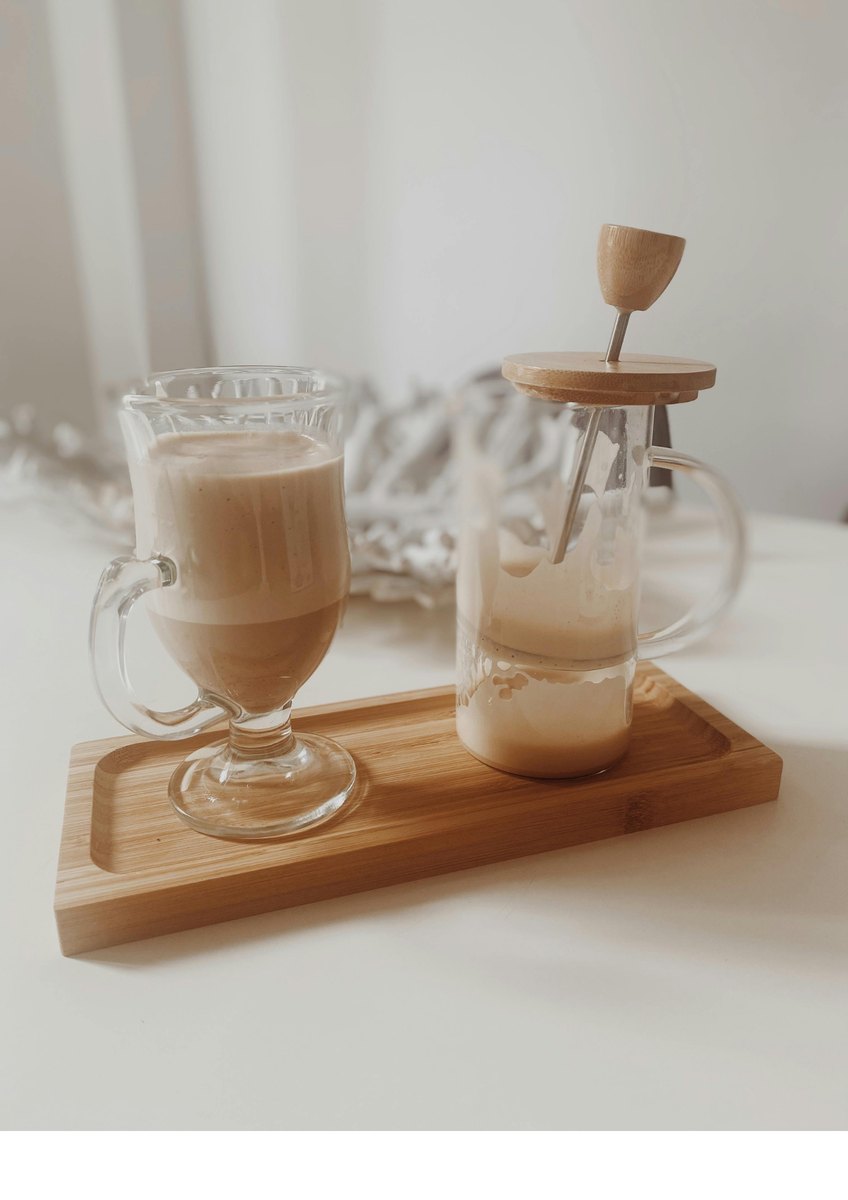
→ Want it warm and creamy? What a hojicha latte is, and how to make one at home.
Frequently Asked Questions
Is hojicha caffeine free?
No, though it's lower than coffee. Japan's official tables list brewed hojicha at about 20mg per 100ml — roughly 30mg a cup, versus ~95mg for coffee. Stem-based or cold-brewed hojicha runs lower. Its gentleness comes mainly from the mature leaves and stems it's made from; roasting changes the flavour more than the caffeine. For genuinely caffeine-free, choose a herbal tisane like sobacha or mugicha.
Why does hojicha smell so calming?
Roasting triggers the Maillard reaction, which creates aroma compounds called pyrazines — the same toasty molecules found in roasted coffee and bread crust. Japanese research suggests that simply inhaling hojicha's aroma can shift the nervous system toward its calming, "rest and recover" mode, even before you drink it.
Is hojicha good before bed?
Yes — it's one of the best teas for the evening. Its very low caffeine rarely disturbs sleep, its roasted aroma is calming, and in traditional terms it's a "warm," settling tea. It's the cup served after dinner in many Japanese homes.
What's the difference between hojicha and sencha?
Both are Japanese green tea from the same plant, but sencha is steamed and kept green, grassy and higher in caffeine, while hojicha is roasted — turning it brown, toasty and sweet, with far less caffeine and bitterness. Sencha is a daytime tea; hojicha suits the evening.
Is hojicha good for digestion?
Yes — it's one of the gentlest teas on the stomach. Roasting removes much of the harsh, astringent edge of green tea, and a warm cup is low in acidity and caffeine. In East Asian medicine, this warmth is thought to actively support digestion (the "Spleen and Stomach"), which is why a cup of hojicha after meals is a long-standing Japanese habit.