The term "Six Ancient Kilns" — Rokkoyo (六古窯) — was coined in 1948 by the ceramics historian Fujio Koyama. Until then, each pottery region had been discussed on its own; Koyama gathered six of them into a single lineage that tells the story of Japanese ceramics. They are Echizen, Seto, Tokoname, Shigaraki, Tamba, and Bizen, and each has fired pottery continuously from around the 12th century to today. In 2017 they were designated Japan Heritage sites.
Five of the six share a defining trait: they make yakishime — high-fired, unglazed stoneware, where beauty comes from the clay and the fire rather than paint or glaze. Only Seto, the great exception, built its name on glaze. That love of the bare and the rustic runs deep in Japanese taste — it's the same sensibility the tea masters called wabi-sabi. Here is each kiln, one by one.
| Kiln | Region | Known for |
|---|---|---|
| Bizen | Okayama | Unglazed, reddish-brown, fire-marked; loved by tea masters |
| Tokoname | Aichi | Largest kiln; iron-rich clay; home of the kyusu teapot |
| Shigaraki | Shiga | Coarse clay with quartz; the famous tanuki figures |
| Tamba | Hyogo | Beautiful natural ash glaze; adaptable craft |
| Echizen | Fukui | Robust, watertight; black-grey to reddish-brown |
| Seto | Aichi | The exception: glazed, white clay; gave Japanese its word for ceramics |
→ These kilns supply the pots and cups themselves. For what each piece of equipment actually does, see the guide to Japanese tea ware and what to buy in what order.
Bizen — The Rustic Soul
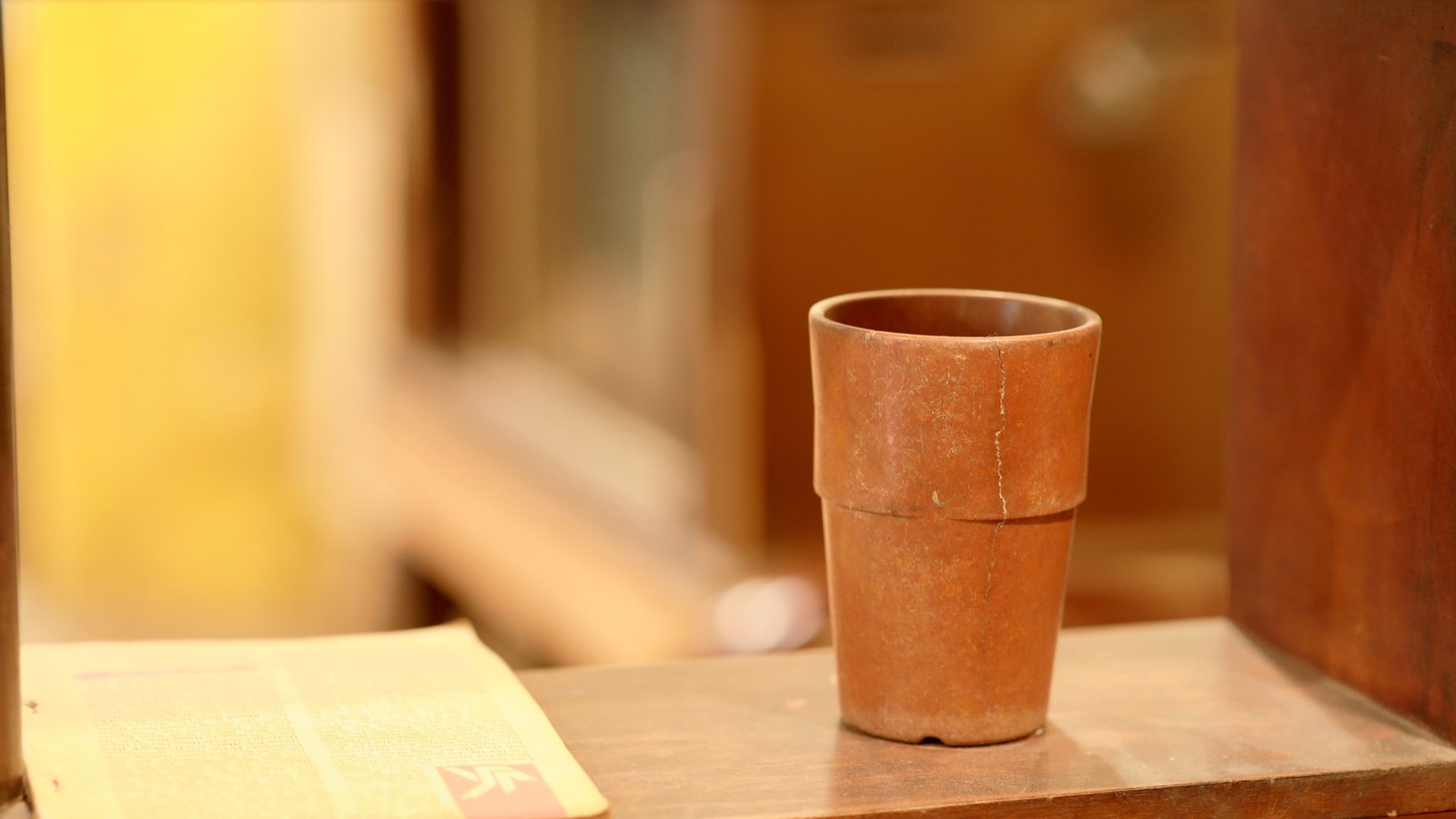
I'll begin with my home region's pride. Bizen ware, from Okayama, is unglazed and undecorated — pure iron-rich clay, hardened in a wood-fired kiln for ten to fourteen days, marked only by where flame and ash happened to touch it. No two pieces are alike. The tea masters, above all Sen no Rikyū, fell in love with its rugged honesty four centuries ago, and it remains one of the most treasured of all tea wares. To me it embodies the whole idea of finding beauty in the plain and the unrepeatable.
I've written about Bizen ware in full here →
→ How Bizen is fired: the six marks of the kiln, and why no two pieces can be the same
Tokoname — The Teapot Capital
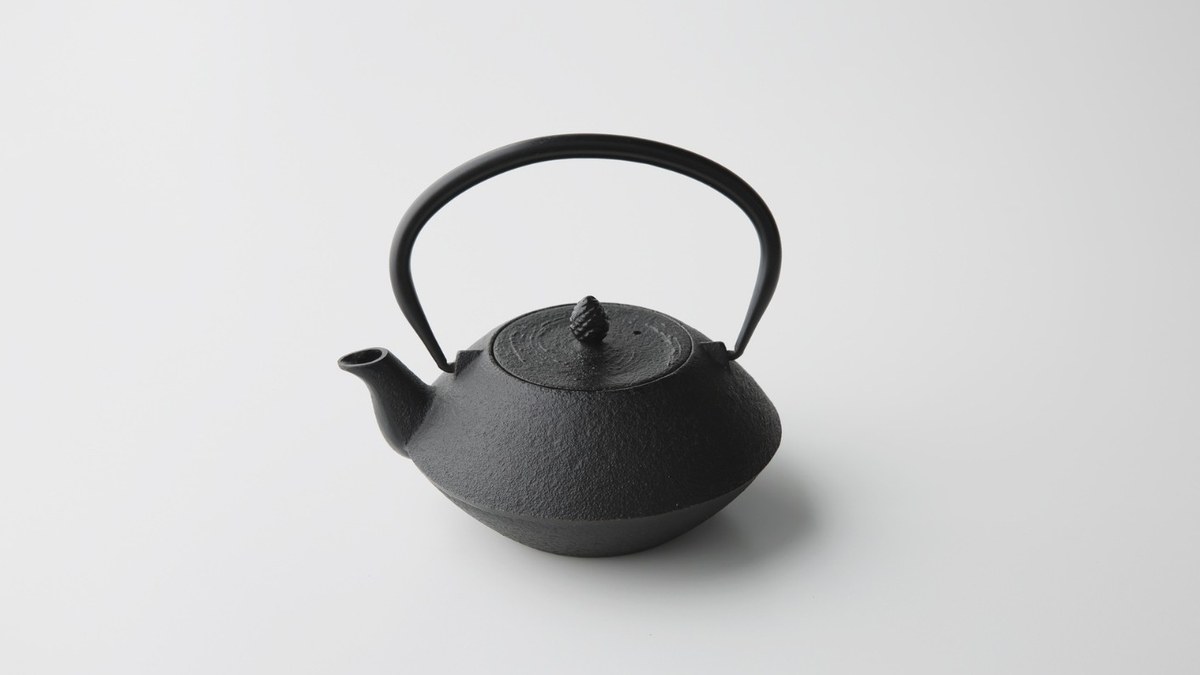
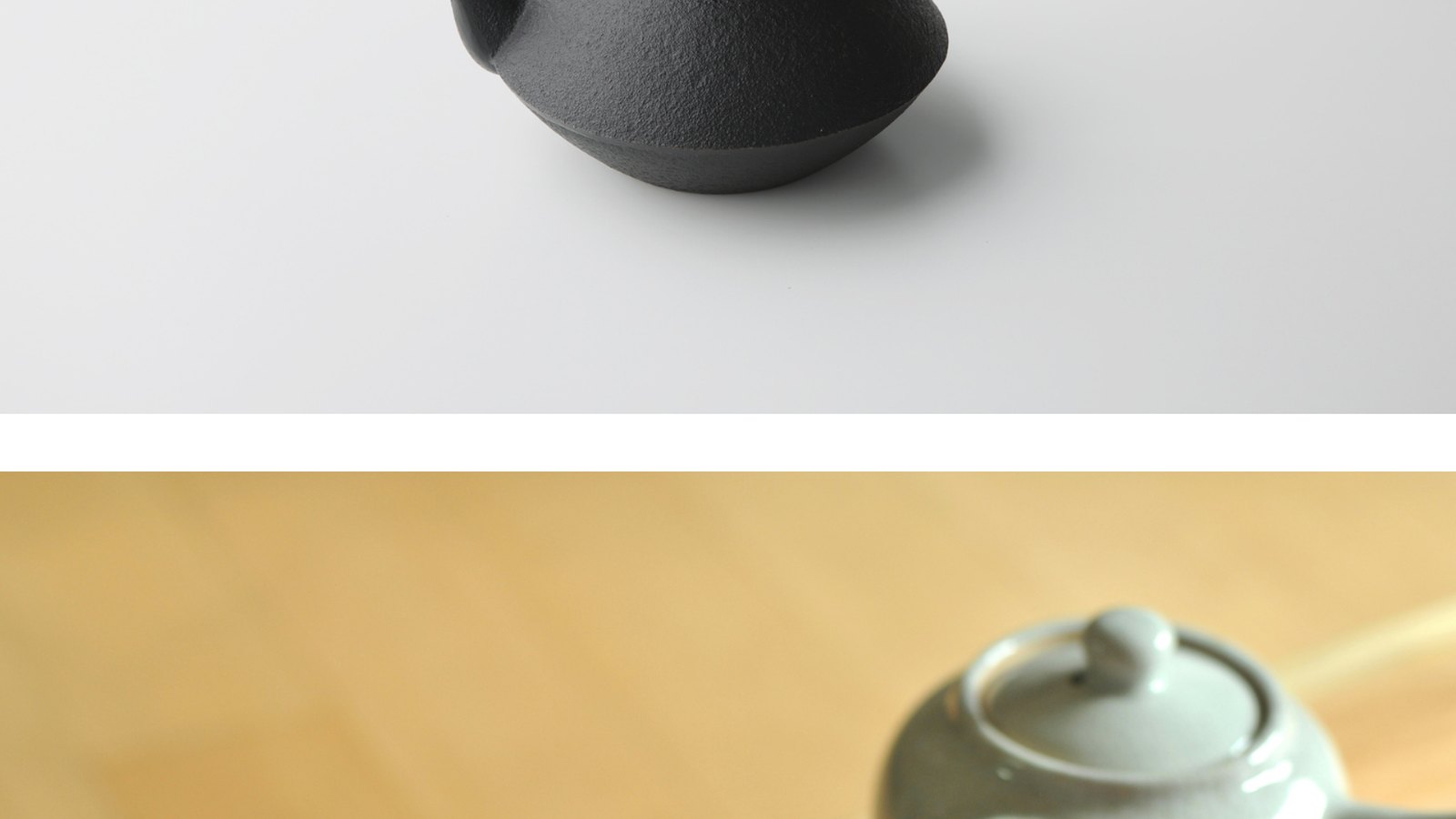
Tokoname, in Aichi, is the largest of the six and the one tea drinkers know best, because it is the home of the kyusu — the Japanese teapot. Its iron-rich red clay is usually credited with softening bitterness, and something measurable does happen — though not by the mechanism people describe. An unglazed pot takes a portion of the astringency out of the tea by holding it at its surface, while leaving the sweetness untouched. An unglazed Tokoname pot also seasons beautifully over years of use. If you own one good Japanese teapot, there's a fair chance it came from here — and if you're choosing your first, this is where I'd point you.
Shigaraki — The Playful One
Shigaraki, near Lake Biwa in Shiga, is famous for clay studded with grains of feldspar and quartz that burst through the surface during firing, giving its unglazed pieces a wonderfully rough, lively texture, often with a natural ash glaze. Its refractory clay is so versatile it's used for everything from teacups to large sculpture. And you almost certainly know Shigaraki without realising it: the cheerful, pot-bellied ceramic tanuki (raccoon-dog) figures that stand outside shops and restaurants all over Japan are its most beloved product.
→ And how those marks are made: the grains, the ash and the embers
Tamba — The Adaptable Craft
Tamba ware (also called Tamba Tachikui), from the hills of Hyogo, emerged in the late Heian period, soon after Echizen. What sets it apart is its refusal to be confined to one style — across the centuries it has bent to the needs of each era. It's especially admired for the bright natural ash glaze that forms when pine ash settles and melts onto the pieces during a long firing — around 1,300°C for some sixty hours in a climbing kiln. A charming quirk: the Tamba potter's wheel traditionally turns counter-clockwise, opposite to most of Japan.
Echizen — The Robust Survivor
Echizen, on the Sea of Japan coast in Fukui, makes simple, robust, unglazed ware with a folk-craft warmth. Its iron-rich clay fires from black-grey to a flushed reddish-brown, with very dense, fine-grained body and great tenacity. It was prized for being so durable and watertight that it became the stuff of storage jars, tokkuri sake flasks, and mortars. Carried far and wide by the Kitamae trading ships, Echizen grew into the great ceramic centre of the Hokuriku region.
Seto — The Exception
Seto, in Aichi, is the odd one out — and so central to Japanese ceramics that the everyday word for crockery, setomono ("things of Seto"), comes from its name. Alone among the six, Seto built its fame on glaze: ash, iron and feldspar glazes, decorative painting, and later an elegant blue-and-white porcelain (Seto-sometsuke), all made possible by its rare white, iron-poor clay. While the others celebrate bare clay, Seto celebrates what can be added to it. Together they span the full range of the Japanese ceramic imagination — from the most rustic to the most refined.
Beyond the Six
One last thing worth knowing: "the six" is a representative list, not the whole story. Koyama chose them to tell a clear lineage, but Japan's pottery world is far richer — Karatsu, Hagi, Mino, Mashiko, Iga and more each have devoted followings and distinct characters. Hagi, for instance, is famous among tea people for the way its porous glaze changes colour over years of use. The Six Ancient Kilns are simply the oldest continuous threads in a vast, living tapestry — and a wonderful place to begin.
Growing up near Bizen, I took these traditions for granted as a child — they were just the cups in the cupboard. It was only later that I understood what they are: an unbroken line of hands, a thousand years long, each potter handing the fire to the next. When I drink from a Bizen cup now, I feel that line. If you ever choose a piece from any of the six, I'd say this: don't buy the "best" one. Buy the one that, when you pick it up, you don't want to put down. That's the one that's yours.
Frequently Asked Questions
What are Japan's Six Ancient Kilns?
They are six pottery regions — Bizen, Tokoname, Shigaraki, Tamba, Echizen and Seto — where kilns have fired continuously from around the 12th century to today. The term was coined in 1948 by historian Fujio Koyama, and the six were designated Japan Heritage sites in 2017.
Which of the Six Ancient Kilns is best for tea?
For teapots, Tokoname is the classic choice — its iron-rich clay is said to smooth out a brew, and it's the home of the kyusu. For teacups, Bizen's unglazed, ever-changing surface is beloved by tea drinkers. Both reward daily use by seasoning over time.
Why is Seto different from the other five?
Seto is the only one of the six built on glazed pottery. Thanks to its rare white, iron-poor clay, it developed decorative glazes and painted designs while the others perfected bare, unglazed stoneware. Its influence was so great that "setomono" became the general Japanese word for ceramics.
Are Karatsu and Hagi part of the Six Ancient Kilns?
No — the "six" is a representative list, not a complete one. Karatsu, Hagi, Mino, Iga, Mashiko and others are celebrated traditions in their own right; they simply aren't among the six oldest continuous kilns that Koyama grouped together in 1948.
How old is Japanese pottery from these kilns?
The Six Ancient Kilns have produced pottery continuously for roughly 1,000 years, since around the 12th century. Japanese pottery as a whole is far older still, reaching back to the Neolithic Jomon period thousands of years ago.