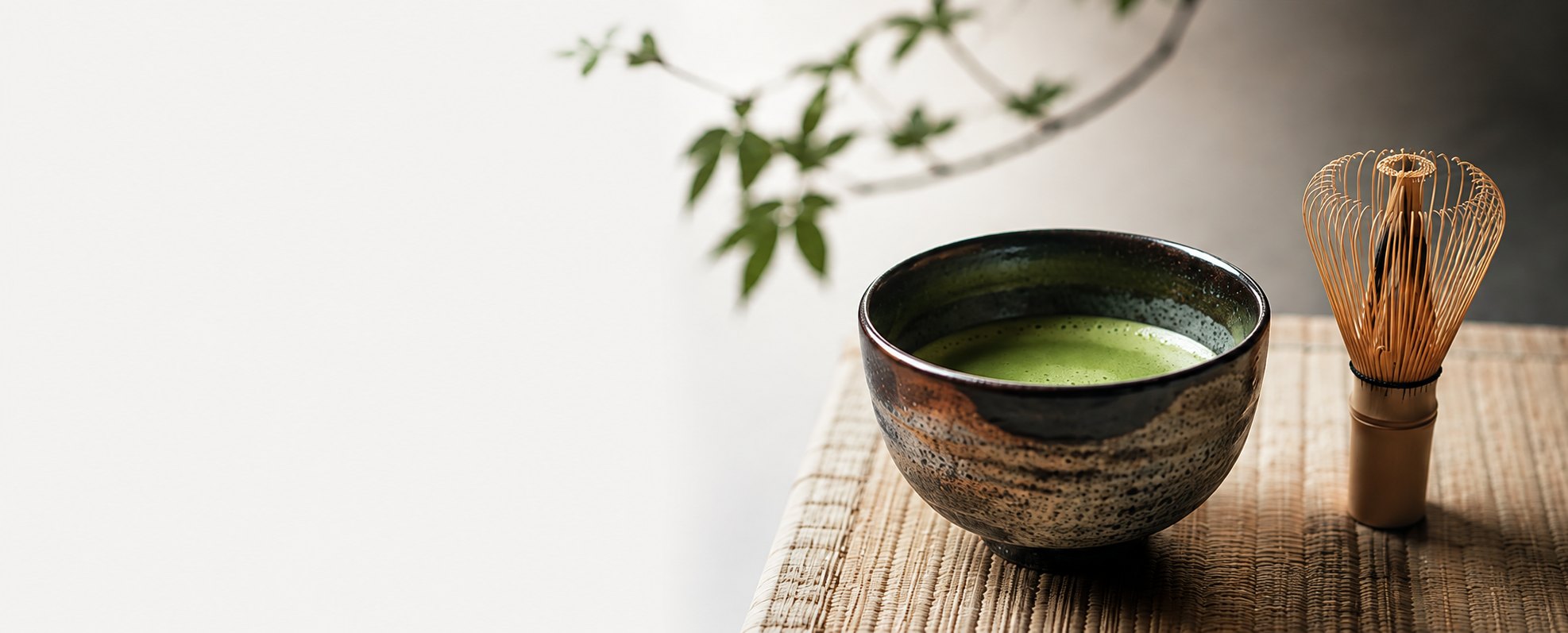
The Oldest Tea in Japan, Twice Over
Shiga says tea began at Asamiya twelve centuries ago. Nara says the same of the year after.
Shiga says tea began at Asamiya twelve centuries ago. Nara says the same of the year after.
Nara sells eight district names as one word — and is one of the four prefectures behind Uji tea.
Mie makes 74% of Japan’s gyokuro — and is one of the four prefectures whose leaf may be sold as Uji tea.
Minamikyushu grows about a sixth of Japan’s tea. The city was created in 2007, and Kagoshima passed Shizuoka in 2024.
Three trademarks and the first GI given to a Japanese tea — and the name itself was invented at a meeting in 1925.
Mori has no protected tea name, and its leaf can legally be sold as Kakegawa. It got known through a 1930s ballad instead.
Aichi is 14th in Japan for tea and 4th for the leaf that becomes matcha — and Nishio’s rules are stricter than Uji’s.
The name is a rule about finishing, not a promise about a field — and Uji City grows 3.6% of Kyoto’s tencha.
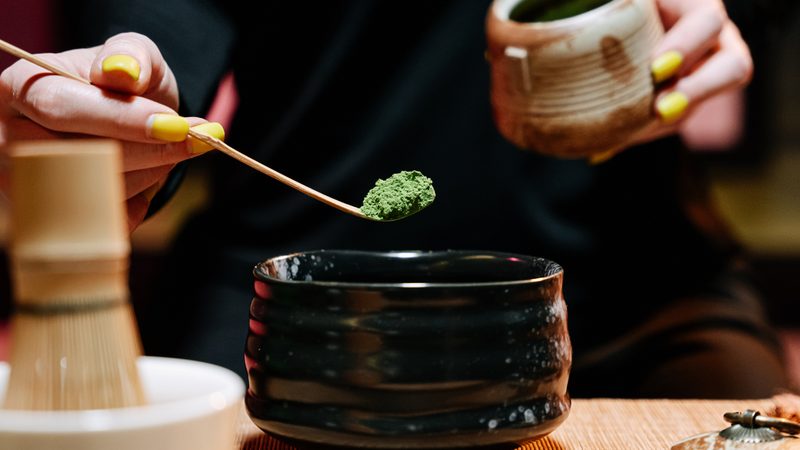
Same leaf, two worlds — where steeping ends and stone-grinding begins.
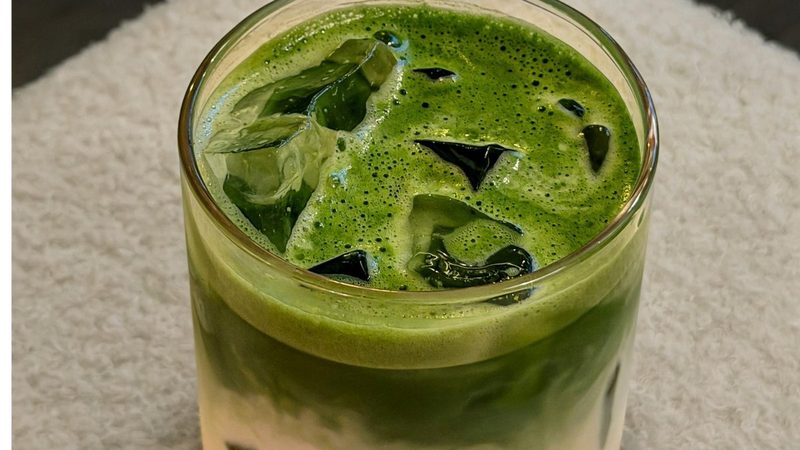
From tea ceremony to TikTok — and the 2025 shortage behind your cup.
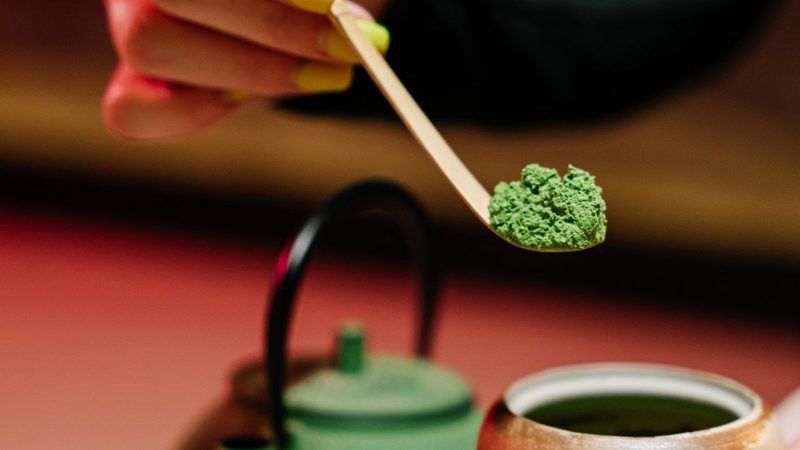
Sift, whisk, and the small details that decide a smooth bowl.
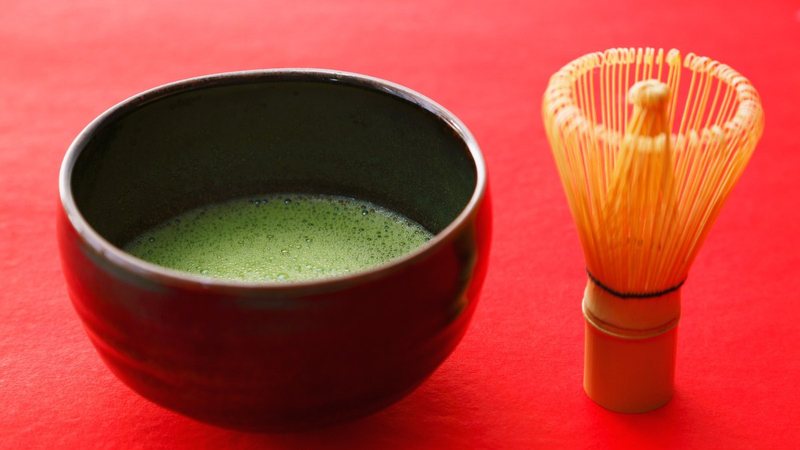
An evidence-based look at what matcha really does — and where the health claims get overstated.
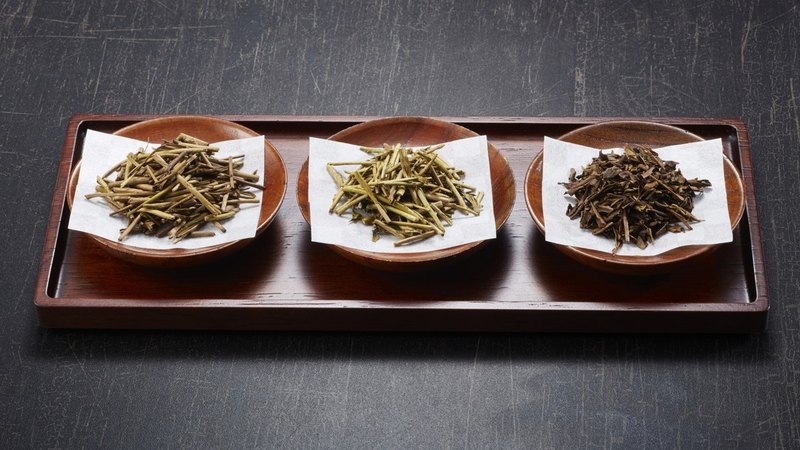
About 7–15mg a cup — among the lowest of all true teas. An acupuncturist explains exactly why.
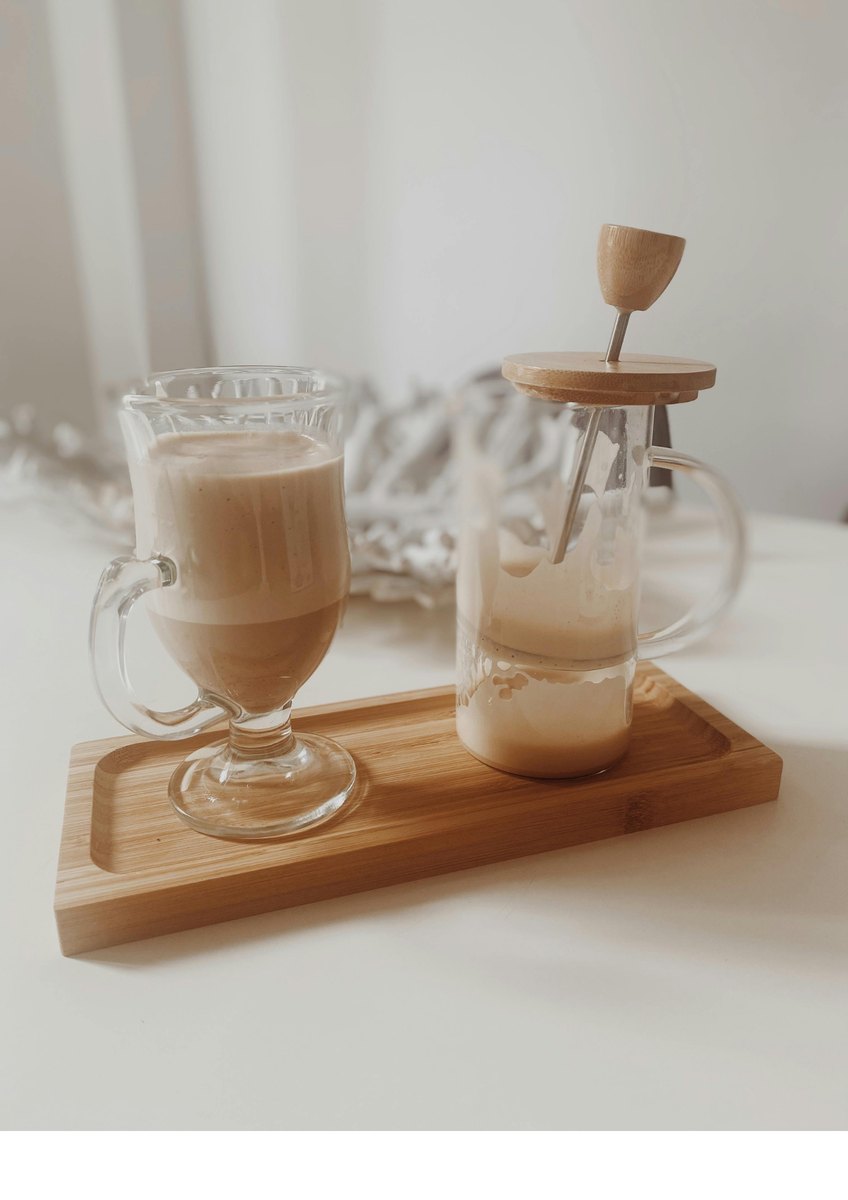
Roasted green tea whisked into warm milk — caramel-toasty, low caffeine, matcha's cosier cousin.
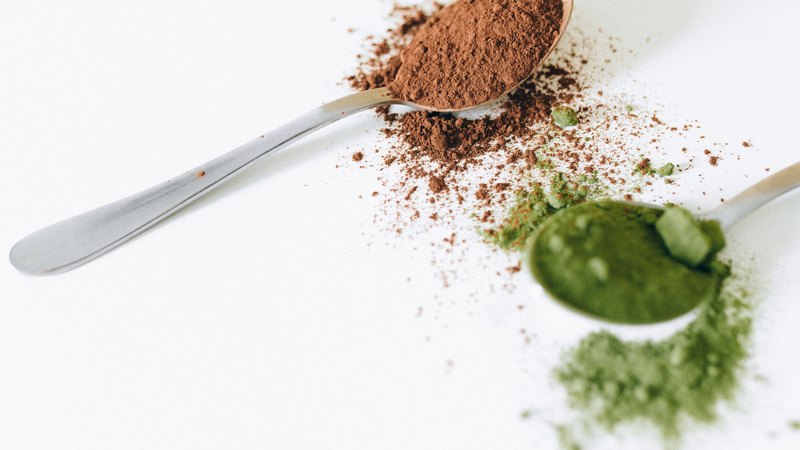
Same plant, opposite cups. The bright morning lift versus the quiet roasted evening.
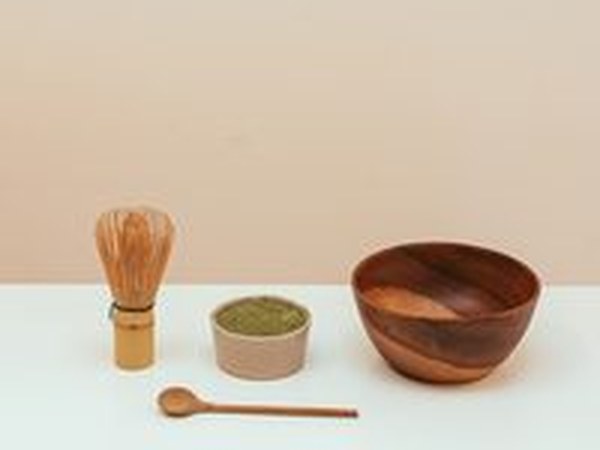
Toasty, nutty and caramel-sweet, with no bitterness — it tastes nothing like grassy sencha.
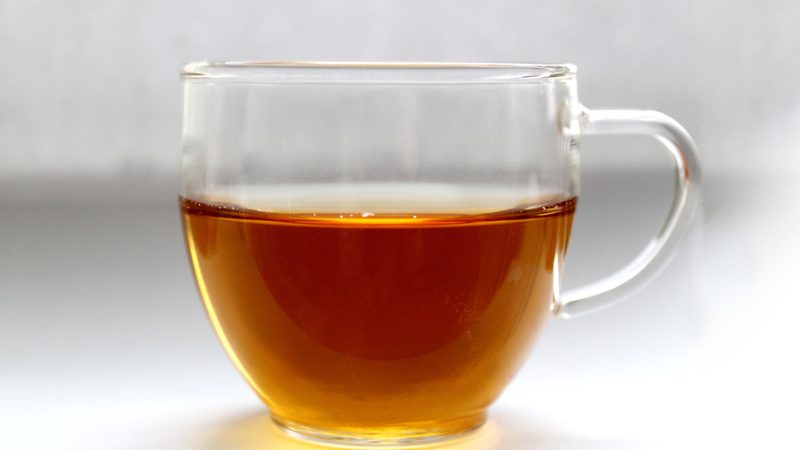
Low caffeine, easy on the stomach, a calming aroma — the real benefits, with no hype.
New to tea? The types, the tools, and how to brew your first cup.
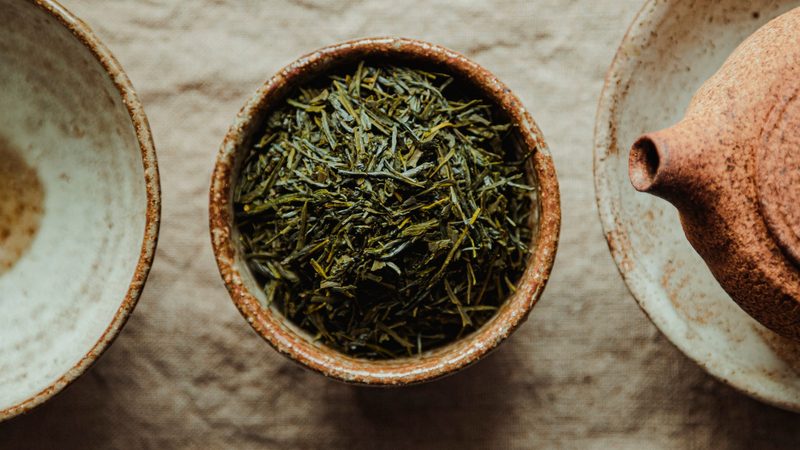
Got powder instead of leaves? Here's how to brew every type.
The green tea that doesn't taste green — toasty, sweet, low caffeine.
Three simple things turn bitter green tea into a sweet, umami cup.
Does green tea have caffeine? How matcha, sencha and hojicha compare to coffee — the full picture.
Heart, metabolism, focus — an honest, evidence-based look at what green tea actually does for you.
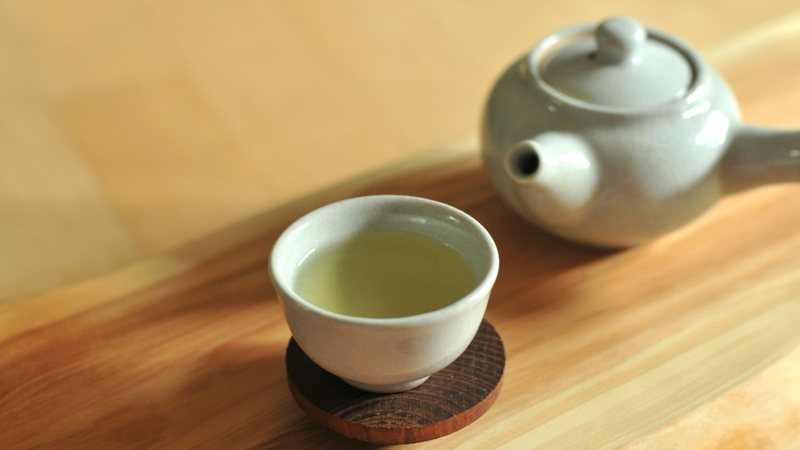
The right water temperature, leaf amount and steeping time — brew sencha and gyokuro properly.
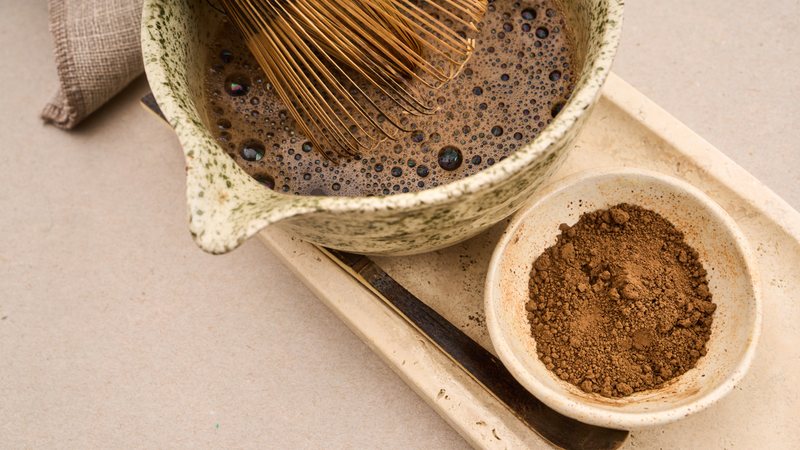
The roasted, low-caffeine powder for lattes and baking — what it is and how to use it.
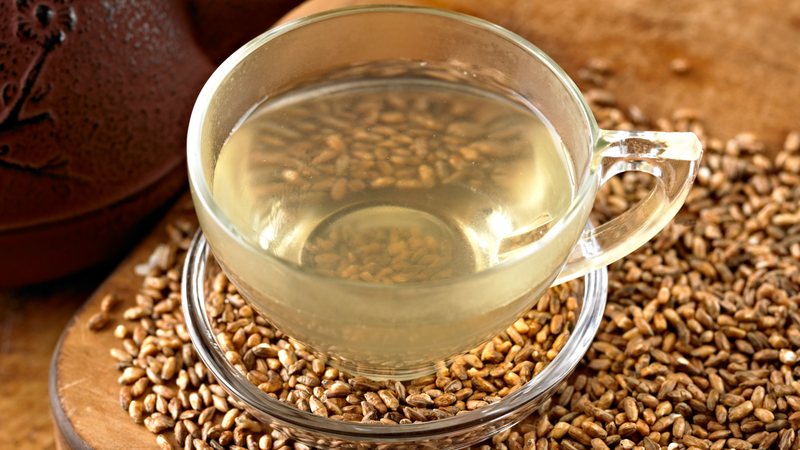
An honest guide to brown rice green tea — its toasty flavour, caffeine and everyday appeal.
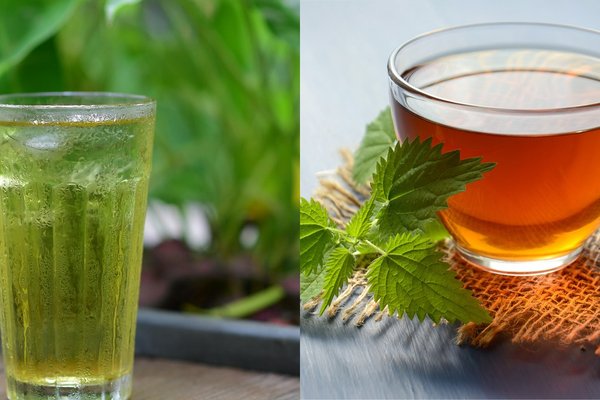
The answer is in the water — soft versus hard, and the geology that shaped both.
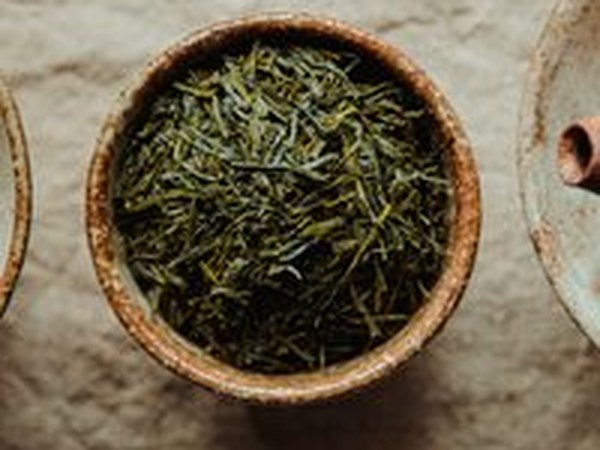
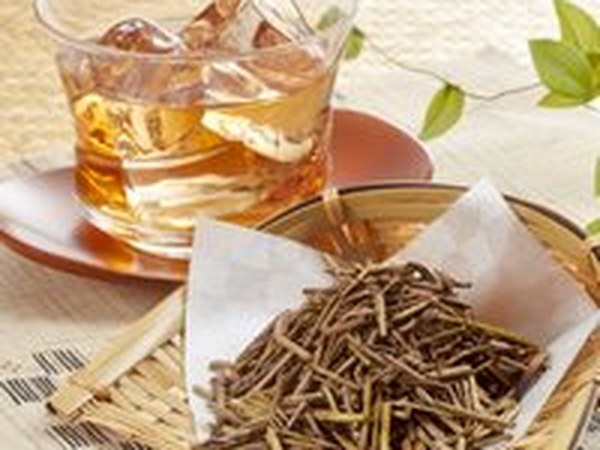
A connoisseur's roasted twig tea from Kanazawa — toasty, sweet, low in caffeine.
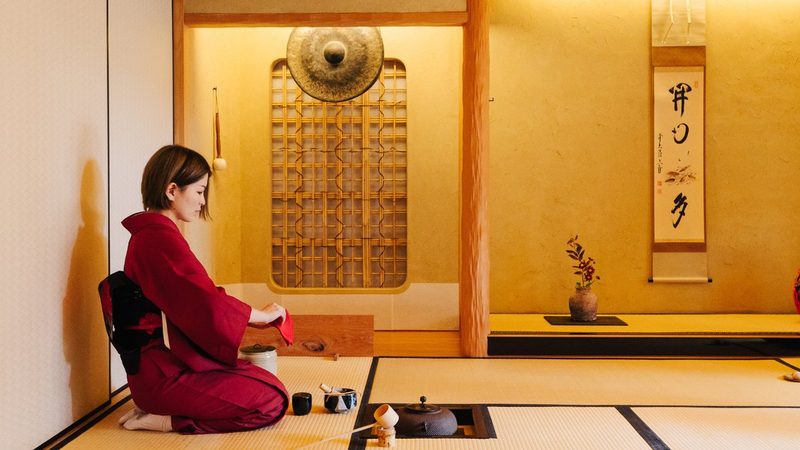
From the mountains of China to the tea rooms of Kyoto.
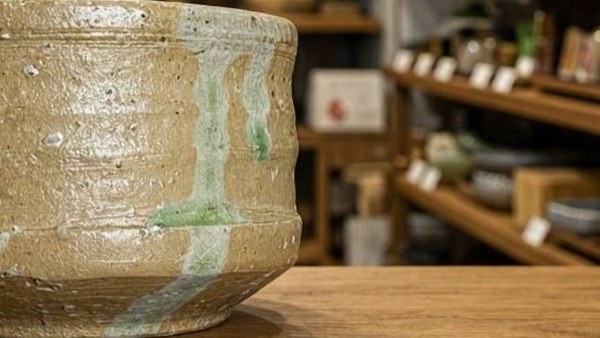
Three separate events, in the same three days, none of them chosen.
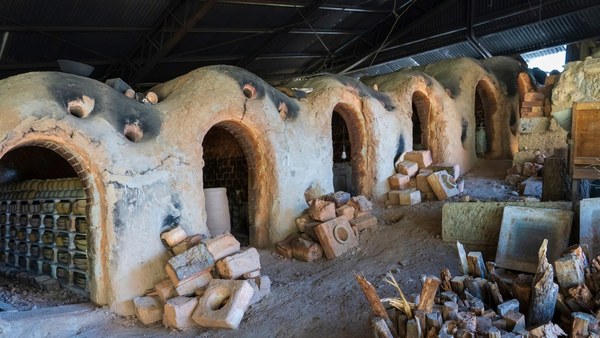
Bizen and Tokoname were discovered by tea. Shigaraki was redesigned by it.
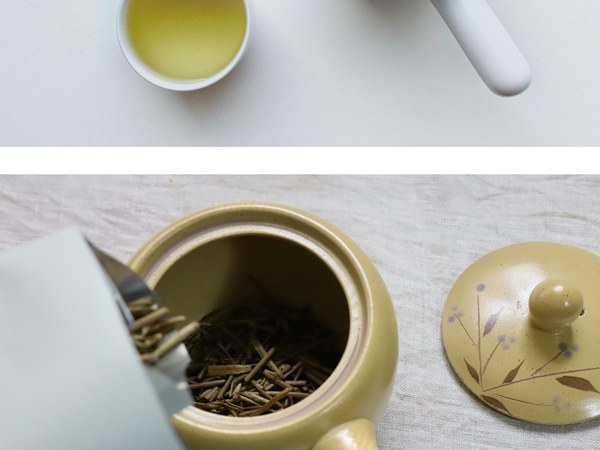
Everyone repeats it. Somebody measured it. The effect is real — and the usual explanation is wrong.
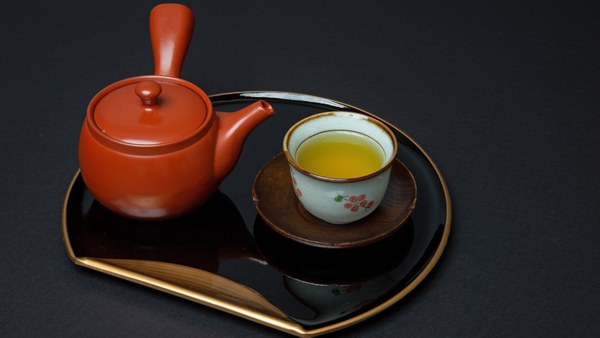
It made sewer pipes before it made teapots — and that is exactly why its kyusu are good.
The markings are not accidents. Each one records where the pot stood in a kiln fired for a fortnight.
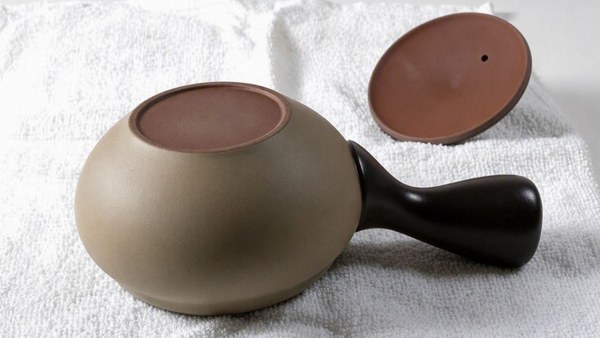
Almost nothing in a Japanese tea set gets broken. It gets washed wrong. Clay, iron and bamboo, one habit each.
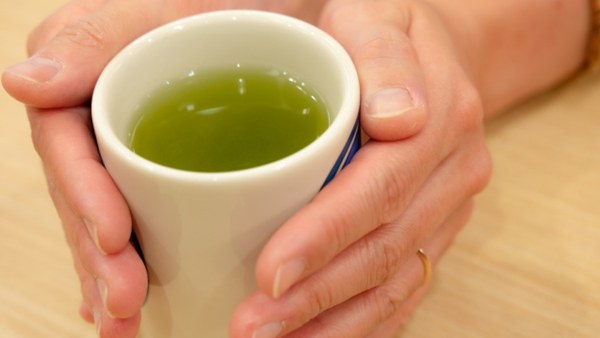
The missing handle is the most deliberate thing about the cup. Wall thickness, rims, and which cup is which.
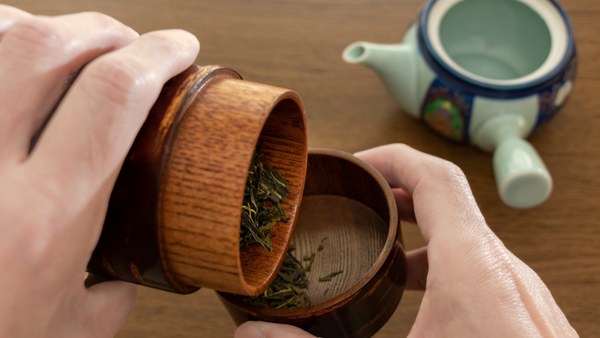
Green tea is held still, not preserved. The five things ruining yours — and the refrigerator mistake.
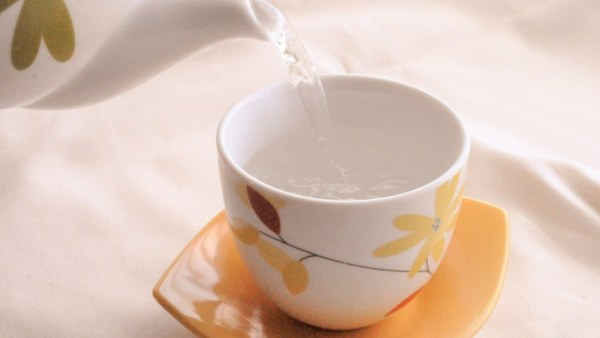
Boiling water is what ruins most Japanese green tea. The small bowl that fixes it — and the free way to do the same job.
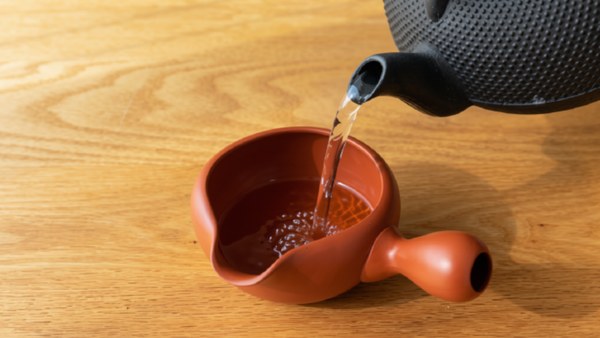
Every piece solves one physical problem. Once you know which, you know what to buy — and in what order.
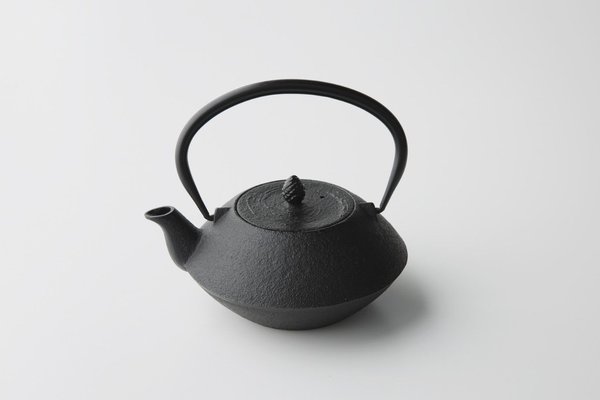
Born from the tea ceremony, perfected over 300 years — and why iron makes tea mellower.
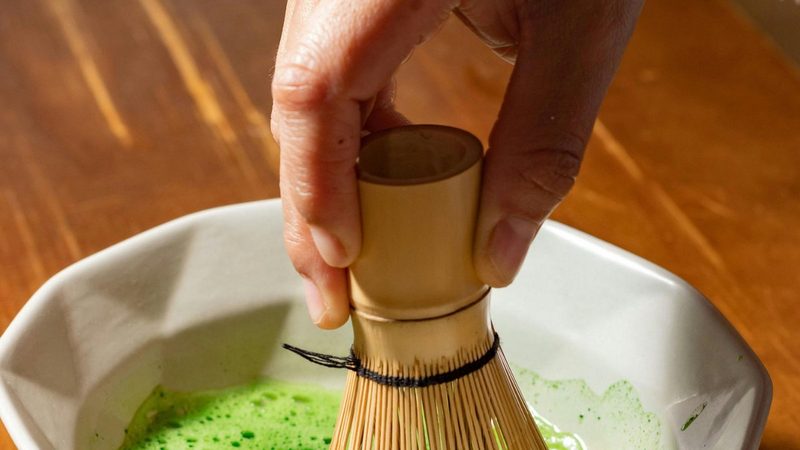
The smallest set of tools to begin, and how to choose ones that age well.
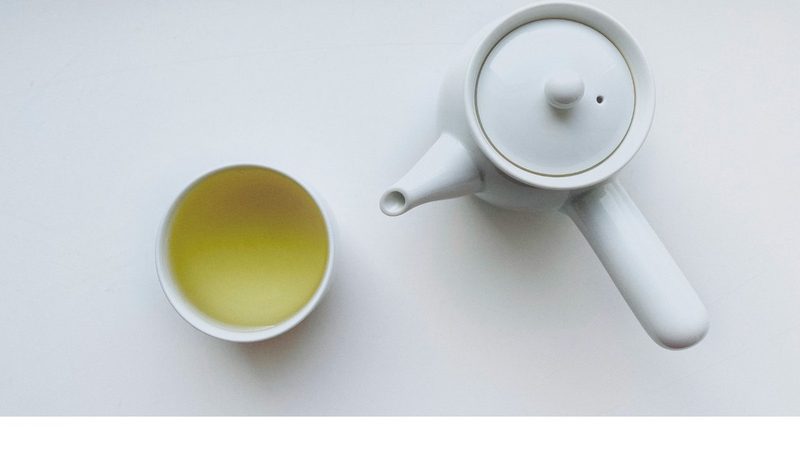
The side handle, the filter, clay vs glaze — which teapot to start with.
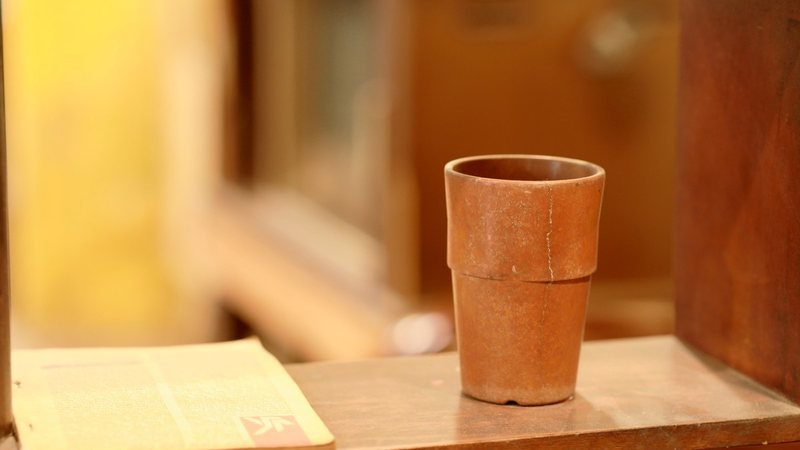
Japan's oldest unglazed pottery, born in Okayama and loved by tea masters — why this rugged clay cup grows more beautiful with use.
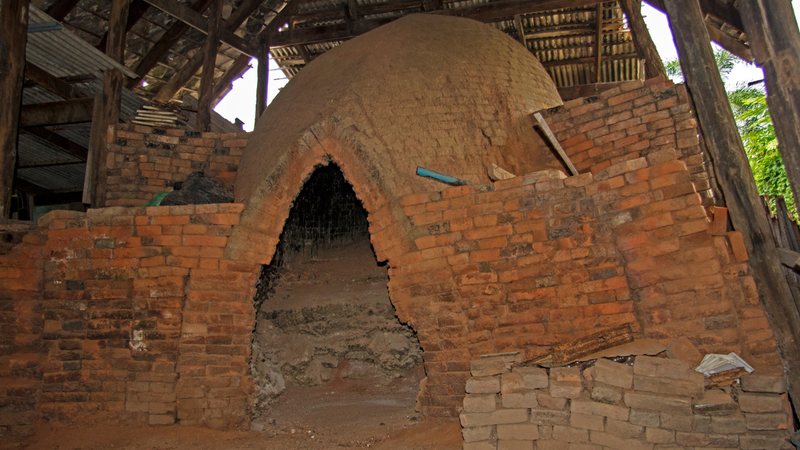
Bizen, Shigaraki, Tokoname, Tamba, Echizen and Seto — the six historic kilns behind Japanese pottery.
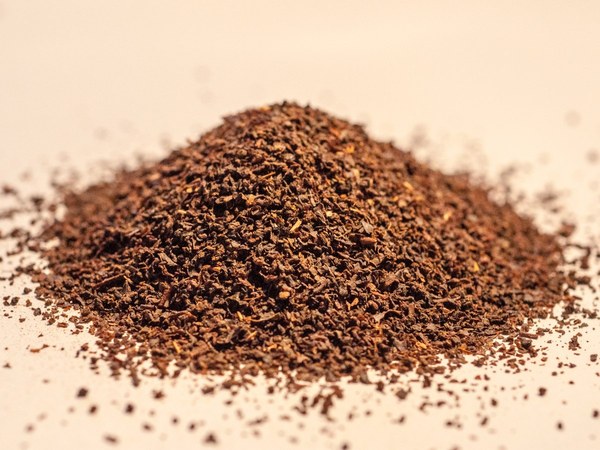
An easy hojicha latte for powder or leaf, hot or iced — measurements, milk tips and more.
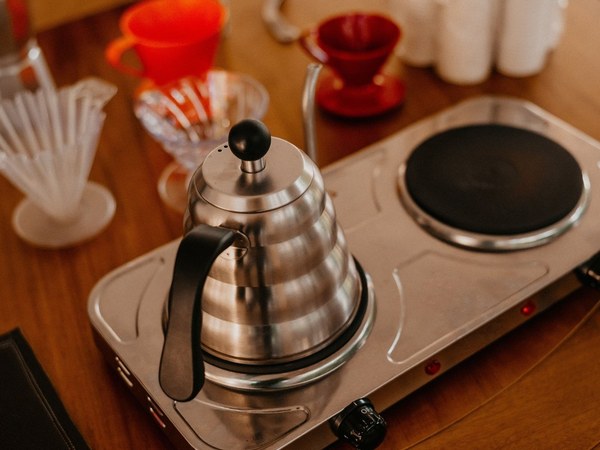
Near-boiling water, a short steep — why roasted tea is the most forgiving green tea to brew.
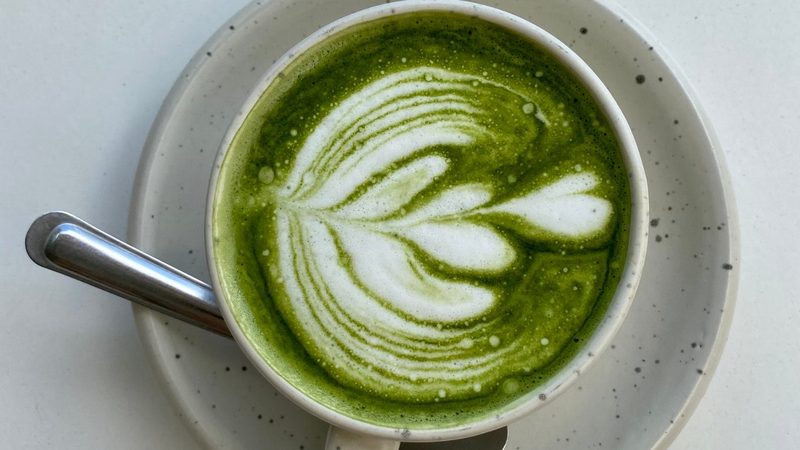
From matcha latte to leftover-leaf pesto — 7 simple recipes.
No posts in this category yet.